With the continuous expansion of the global edible oil market, peanut oil has become increasingly popular among consumers due to its rich nutrition and delicious taste. For investors looking to enter the peanut oil production industry, choosing the right production line is crucial. In particular, there are significant differences between small-scale and large-scale peanut oil production lines, not only in production capacity but also in technology, equipment configuration, and investment costs. QIE GROUP will delve into the key differences between these two types of production lines to help companies make the best choice based on their specific needs.
Small-scale peanut oil production lines are typically suitable for small and medium-sized enterprises or local production. Their main characteristics are lower investment costs, making them suitable for family-run factories or smaller oil mills. These lines generally have a daily processing capacity of 100-500 kg of peanut raw materials and a relatively low hourly Oil Extraction rate, making them suitable for startups or markets with low production volume requirements.
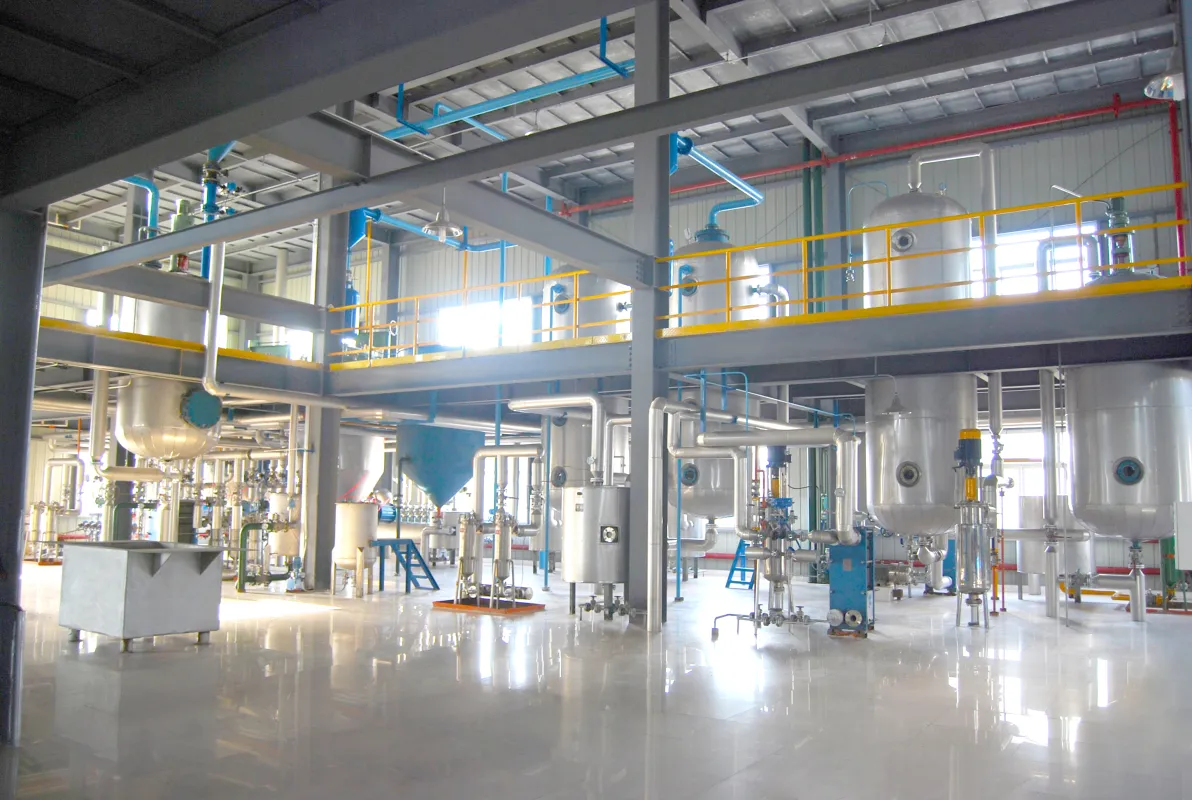
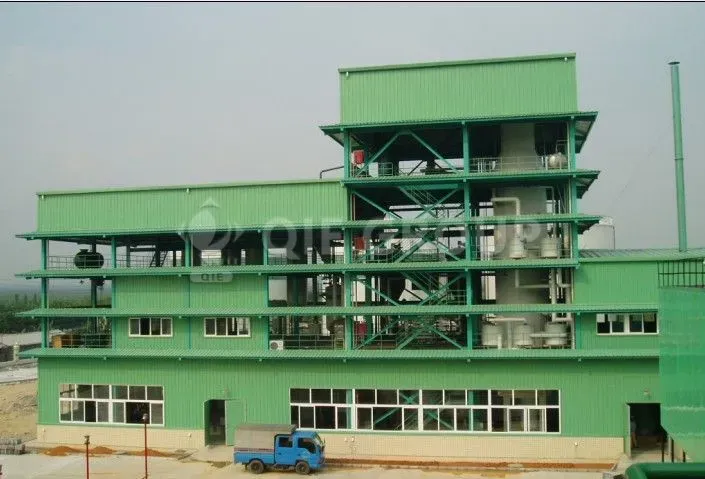
In contrast, large-scale peanut oil production lines are suitable for large-scale industrial production, capable of meeting the demands of high-volume, high-efficiency production. These lines can process several tons or even tens of tons of peanut raw materials per hour, making them suitable for medium and large-sized enterprises. They can produce large quantities of finished oil in a shorter time to meet domestic and international market demands. These production lines are typically equipped with highly automated equipment, reducing manual intervention and improving production efficiency.
Small-scale peanut oil production lines have lower investment costs, making them suitable for companies with limited budgets that want to enter the market quickly. Due to their smaller production scale, small-scale production lines have a relatively shorter payback period , allowing companies to achieve profitability in a shorter time.
Large-scale peanut oil production lines , however, have significantly higher investment costs, typically requiring millions or even more. This is not only due to their more advanced production equipment, but also because the construction, installation, and commissioning of the production line require more time and technical support. Although the initial investment is large, the large production scale results in considerable output benefits and a long payback period, making them suitable for companies with sufficient funds and long-term development plans.
Small-scale peanut oil production lines typically employ simple mechanized equipment, are easy to operate, and are suitable for small-scale, primarily manual production. Although their equipment technology is not as advanced as that of large-scale production lines, it can still meet daily production needs. Technically, small-scale production lines have a relatively low level of automation and require more manual intervention.
Large-scale peanut oil production lines place greater emphasis on the use of automated and intelligent equipment. Most equipment supports automated control, enabling full-process monitoring and data analysis, thereby improving production precision and efficiency. For example, by employing advanced pressing, solvent extraction, and refining technologies, large-scale production lines can not only increase oil yield but also ensure stable oil quality, meeting the international market's demand for high-quality oil products.
Small-scale peanut oil production lines have relatively simple equipment configurations, typically including infrastructure such as presses, filters, and oil storage tanks. The process mainly focuses on pressing, filtering, and simple refining, making them suitable for producing unrefined peanut oil that retains more of the original peanut flavor.
In contrast, large-scale peanut oil production lines employ a wider variety of equipment, including not only pressing and filtering, but also more complex extraction, deodorization, and decolorization processes. Modern large-scale production lines utilize advanced solvent extraction and refining technologies, enabling the extraction of more oil while removing impurities, color, and odors. The resulting peanut oil is clear in color, has a purer taste, and meets high international quality standards.
Small-scale peanut oil production lines are simpler to operate due to their lower level of automation, but they require more skilled operators. Maintenance costs are lower, and equipment repair and replacement are more convenient due to their smaller scale.
Large-scale peanut oil production lines require more specialized operators for management and commissioning, and maintenance is more complex. Although the equipment has a longer lifespan, the large production scale and long operating time result in shorter maintenance and upkeep cycles. Therefore, large-scale production lines require regular inspections and maintenance to ensure normal equipment operation .
Small-scale peanut oil production lines are more suitable for smaller markets with high product customization requirements and more personalized market demands. They can meet the needs of consumers with special requirements for peanut oil production processes, or for regional, handcrafted specialty oil producers.
Large-scale peanut oil production lines are better suited for markets focused on large-scale, standardized production, capable of meeting the bulk demand for peanut oil from supermarkets, retailers, and wholesalers. For companies planning to export their products to international markets, choosing a large-scale peanut oil production line ensures greater product stability and quality.
In general, the main differences between small-scale and large-scale peanut oil production lines lie in production scale, investment cost, automation level, process flow, and market demand. Choosing the right production line should be based on the company's capital, market positioning, and production needs. For startups or investors with limited budgets, a small-scale peanut oil production line is a good option; while for companies pursuing large-scale production and planning market expansion, a large-scale peanut oil production line is a more valuable long-term investment.
QIE GROUP provides high-quality peanut oil production line equipment. Whether it's a small or large production line, we can provide customized solutions to meet your needs, helping you gain a foothold in the highly competitive market. For further inquiries or questions, please feel free to contact us for more detailed information on the differences between oil production lines, purchasing advice, and pricing.