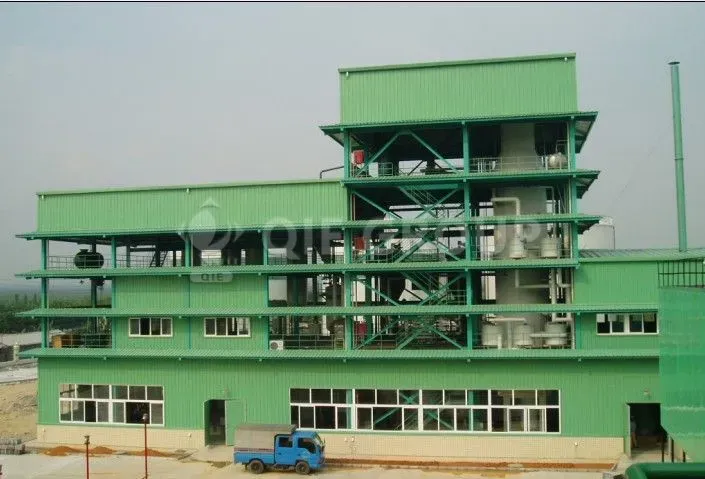
When a peanut oil processing plant in Sudan is choosing a process route, the key decision depends on the project owner's strategic balance between raw material scale and target product. If the daily raw material input is between 5 and 30 tons and the focus is on serving the local premium flavor-oil market, the preferred option is QIE Grain and Oil Machinery's small-scale aromatic mechanical pressing process, which offers lower investment, no explosion-proof requirement, and a very short payback period. If the daily capacity exceeds 50 tons and the goal is to produce modern supermarket-grade first-class edible oil, a large-scale integrated pre-pressing, solvent extraction, and refining solution is required. This route uses scale advantages to reduce meal residual oil to below 1.0% and maximize profit across the full value chain.
Peanuts are an oilseed with a high oil content, typically around 45–55%. In peanut oil plant construction, the common process routes fall into two categories: one is a small-scale aromatic pressing line, focused on flavor and local sales; the other is a large-scale integrated pre-pressing, extraction, and refining line, focused on oil yield, continuous production, and standardized oil quality.
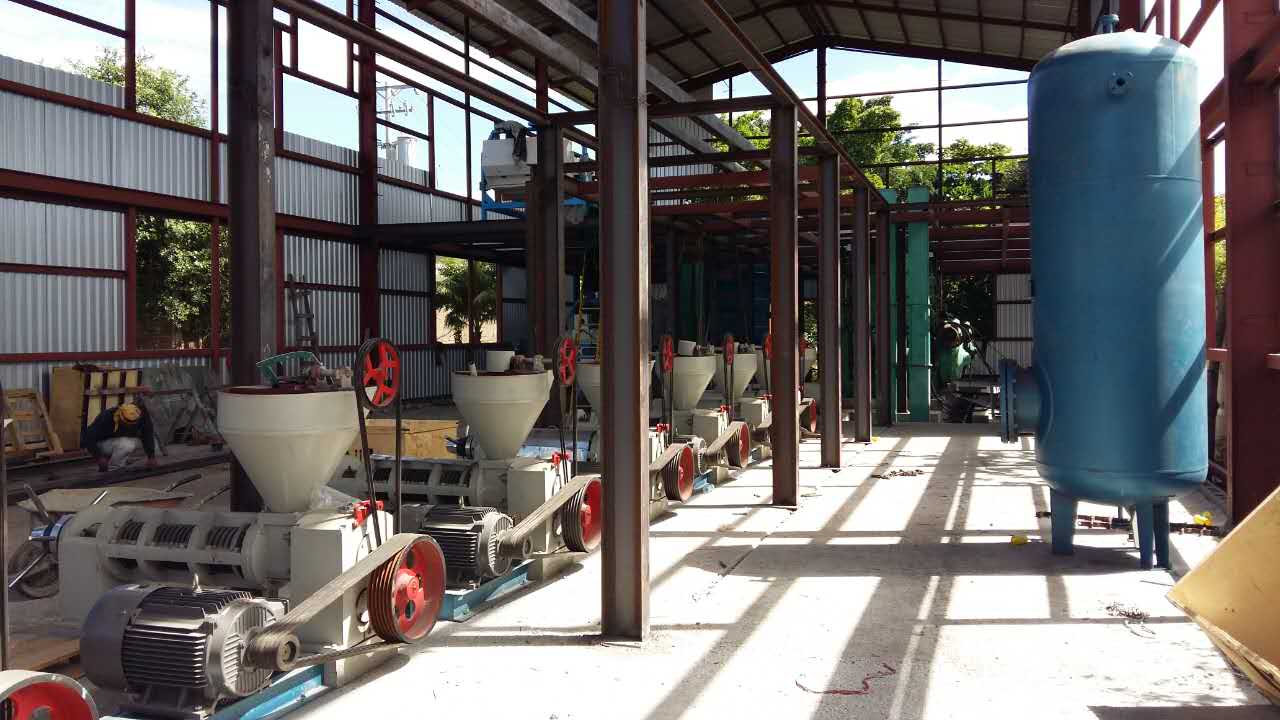
Suitable for projects with limited raw material supply, targeting local consumer markets, and emphasizing nutty aroma and product differentiation. Core equipment includes cleaning screens, destoners, magnetic separators, roasting pans, small screw oil presses or hydraulic oil presses, and cold filtration or coarse filtration equipment.
Suitable for projects with stable raw material supply, a focus on high overall oil recovery, and plans to build a continuous production system. Core equipment includes large screw pre-presses, loop extractors or drag-chain extractors, DTDC desolventizer-toaster-dryer-coolers, full negative-pressure evaporation systems, and degumming, deacidifying, decolorizing, and deodorizing refining equipment.
The following comparison can serve as a reference for the preliminary feasibility assessment of a peanut oil processing plant in Sudan. The final solution should be further confirmed based on peanut variety, moisture and impurity content, daily capacity, finished oil standards, plant conditions, and local safety and environmental requirements.
| Comparison Dimension | Small-Scale Aromatic Pressing Process | Large-Scale Pre-Pressing, Extraction, and Refining Process |
|---|---|---|
| Target Product | Aromatic peanut oil with pronounced fragrance and darker color | First- or second-grade refined peanut oil with clear color and stable quality |
| Main Equipment | Peanut oil pre-treatment machine, roasting pan, small screw oil press, hydraulic oil press, cold filtration equipment | Cleaning and crushing equipment, large screw pre-press, extractor, DTDC desolventizer, evaporation and stripping system, refining equipment |
| Process Focus | Roasting temperature, pressing temperature, flavor retention, and crude oil filtration | Pre-pressed cake residual oil control, solvent recovery, refining loss control, and stable continuous operation |
| Reference Process Parameters | High-temperature roasting can reach about 150°C; aromatic pressing oil yield is about 35%–40%; cake residual oil is about 6%–8% | Roasting temperature adjustable to about 120°C; pre-pressing oil yield is about 30%–35%; pre-pressed cake residual oil is about 16%–20%; extraction residual oil can be ≤0.8% |
| Procurement Priorities | Price of small aromatic peanut oil press, oil flavor, ease of operation, filtration method, and after-sales spare parts | Cost of peanut oil extraction and refining project, solvent safety, energy consumption, automation, installation and commissioning, and turnkey engineering capability |
The typical process is: cleaning → crushing → roasting. This section removes impurities, adjusts moisture and temperature, improves the structure of peanut cells, makes oil release easier, and builds the appropriate aroma base according to the target product.
The pressing section extracts peanut oil through mechanical pressure. Aromatic pressing usually uses small screw oil presses or hydraulic oil presses, emphasizing flavor retention; the pre-pressing process uses large screw pre-presses to prepare stable pre-pressed cakes for subsequent extraction.
For peanut oil processing plants with large raw material volume and a goal of reducing unit production cost, the integrated pre-pressing and extraction process is more suitable for long-term operation. The typical flow is: pre-pressed cake → countercurrent solvent extraction in the extractor → miscella → evaporation/stripping → extracted crude oil; wet meal is desolventized, dried, and cooled by the DTDC to become peanut meal.
The refining system removes gums, free fatty acids, pigments, odors, and other impurities from crude oil. The standard process usually includes degumming, deacidification, decolorization, and deodorization. For aromatic peanut oil, over-refining should be avoided, especially deodorization, because it will remove key aroma components. For first-grade peanut oil, a more complete refining process is required.
| Procurement Factor | Why It Matters | What to Confirm |
|---|---|---|
| Peanut Raw Material Scale | Determines whether to use a small pressing line or a large continuous production line | Daily processing volume, seasonal supply, moisture content, impurity rate, storage conditions |
| Target Oil Product | Equipment configuration differs significantly between aromatic oil and first-grade refined oil | Demand for local retail, food service, food industry, export, or branded packaging |
| Project Budget | Affects automation, extraction, refining, packaging, and utilities configuration | Equipment investment, civil works, boiler, power supply, installation, transportation, spare parts, and training costs |
| Safety and Environmental Protection | Extraction systems involve solvent use and require strict management | Negative-pressure system, condensation recovery, explosion-proof design, tail gas treatment, and operating procedures |
| Turnkey Capability | Overseas projects require coordination of equipment, process, installation, commissioning, and after-sales support | Process design, equipment manufacturing, on-site installation guidance, commissioning, personnel training, and spare parts supply |
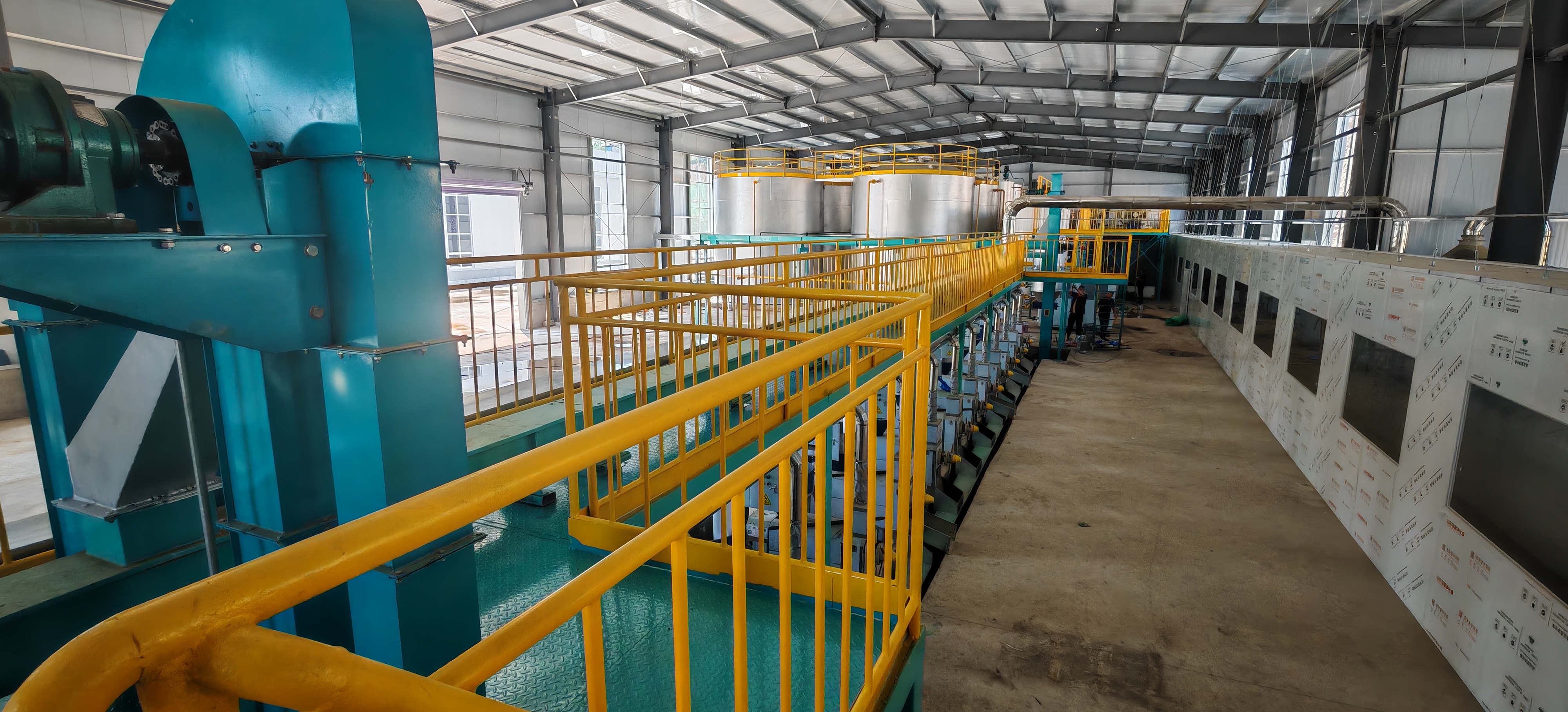
For peanut oil processing projects in Sudan and other overseas markets, QIE GROUP can help customers organize the equipment configuration logic from pre-treatment, pressing, extraction, to refining based on raw material conditions and investment goals.
Please provide your planned daily capacity, raw material oil content, target oil product, plant conditions, and budget range. The QIE team can provide peanut oil production line configuration suggestions that are more aligned with your actual procurement decision-making needs.
If the raw material supply is limited and the target market is local retail or flavor oil, a small-scale aromatic pressing route is usually easier to start. When purchasing, focus on the roasting pan, small screw oil press or hydraulic oil press, oil filtration equipment, and the packaging method.
When the project has a large raw material volume, aims to improve overall oil recovery, and plans to produce stable first- or second-grade peanut oil, the integrated pre-pressing, extraction, and refining solution should be considered. This route requires higher investment and management capability, but it is better suited to continuous and large-scale production.
Full deodorization is generally not recommended for aromatic peanut oil because it will significantly remove aroma components. Depending on quality requirements, aromatic oil can be cold filtered, naturally settled, or lightly processed, but acid value, impurities, and storage stability still need to be controlled.
Project cost includes not only the peanut oil processing equipment itself, but also civil works, power supply, steam, boiler, installation, transportation, automatic control, solvent safety systems, environmental treatment, spare parts, and personnel training. Large extraction and refining projects in particular require an overall budget assessment.
It is recommended to provide the planned daily capacity, peanut oil content and moisture content, target finished oil grade, whether extraction and refining are required, plant size, local voltage and steam conditions, budget range, and expected commissioning date. The more complete the information, the closer the equipment selection and turnkey solution will be to the actual project requirements.