Degumming is the primary step in the edible oil refining process, crucial for ensuring the quality of finished oil and the smooth execution of subsequent refining steps. Based on years of industry experience, QIE Group has developed a detailed comparison and technical guidance on temperature control and water addition adjustment in the degumming process, focusing on the production processes of soybean oil and peanut oil—two major edible oils—to help downstream processing companies optimize production efficiency and product performance.
Degumming primarily removes colloidal impurities such as phospholipids from crude oil through hydration, preventing oil turbidity and abnormal viscosity. Essentially, it utilizes warm water to activate peanut phospholipid molecules in the oil, transforming them into micelles that are then separated by sedimentation. The amount of water added is usually closely related to the phospholipid content of the oil and the degumming temperature. Excessive water addition increases the difficulty of degumming and the burden on wastewater treatment, while insufficient water affects degumming efficiency.
Due to differences in the phospholipid content and composition of the raw materials, the degumming process parameters for soybean oil and peanut oil differ significantly. Soybean oil typically has a higher phospholipid content (approximately 1.2-2.5%), requiring medium- to high-temperature hydration, with a suitable water addition of 3.5-5% and a settling time of about 1 hour. Peanut oil has less phospholipid, requiring degumming at low to medium-temperature hydration and a lower water addition, typically 2.5-3.5%. This difference stems from the variations in the types and amounts of phospholipids in the two oils; peanut oil's phospholipid structure is more easily hydrated, resulting in a faster degumming speed.
In practice, QIE Group recommends that factories flexibly adjust the hydration temperature and water ratio based on the raw material test results to avoid over-hydration causing emulsification problems or insufficient hydration leading to incomplete degumming, ensuring that the oil transparency after degumming is not less than 95% and the phosphorus content is less than 50ppm.
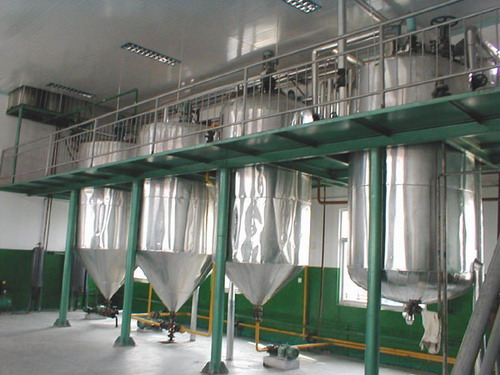 Peanut oil refining line">
Common problems during degumming include difficulty in breaking emulsions, uneven hydration, and slow settling. For emulsification, improving separator efficiency and appropriately lowering the hydration temperature can effectively improve the situation. Incomplete degumming is often due to insufficient water addition or too short a settling time; it is recommended to adjust the water addition ratio and extend the settling stage according to the specific raw materials. The QIE Group's technical team has helped multiple production lines achieve an average degumming efficiency improvement of over 15% through customized solutions.
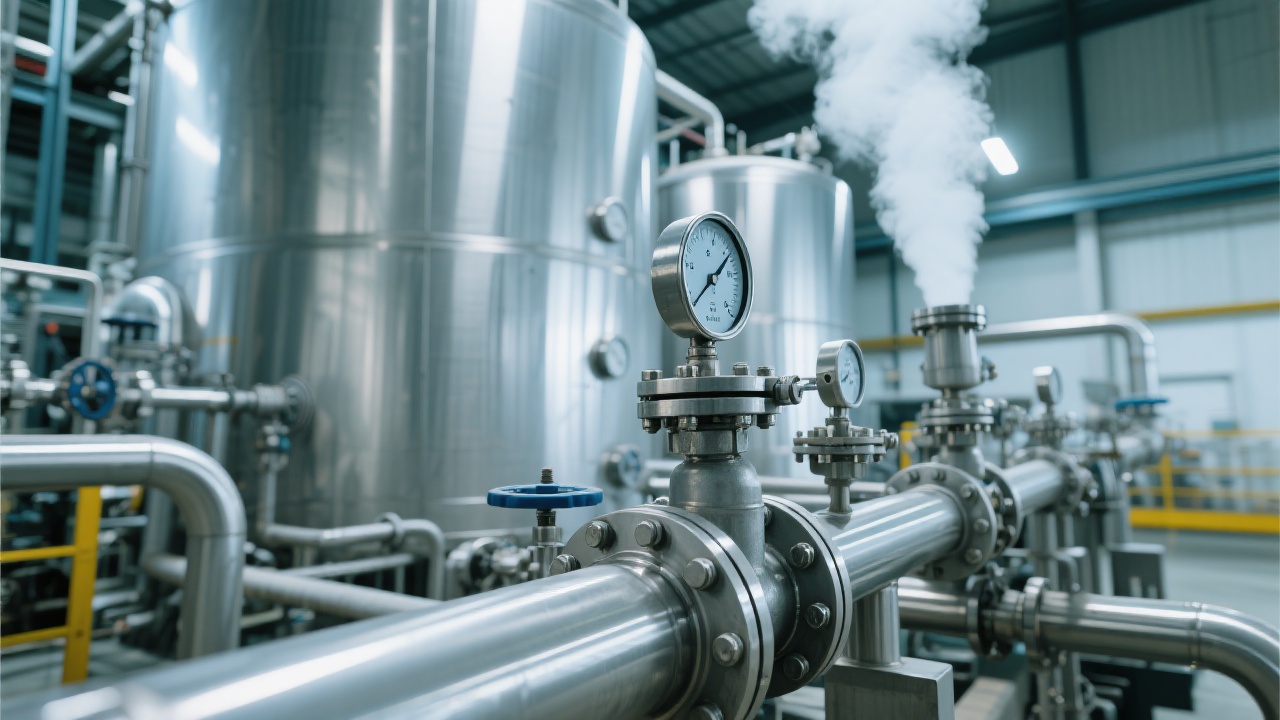 Peanut oil refining line">
QIE Group advocates for meticulous management and recommends that operators use a self-checklist to regularly monitor hydration temperature, water volume, and settling time to ensure these parameters are within their optimal range. Regarding user concerns such as "When to adjust the water volume?" and "How to determine if degumming is complete?", the following Q&A is provided for reference: