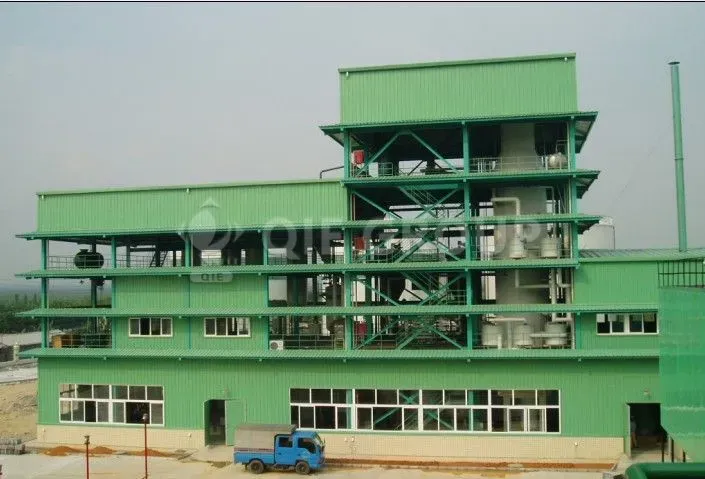
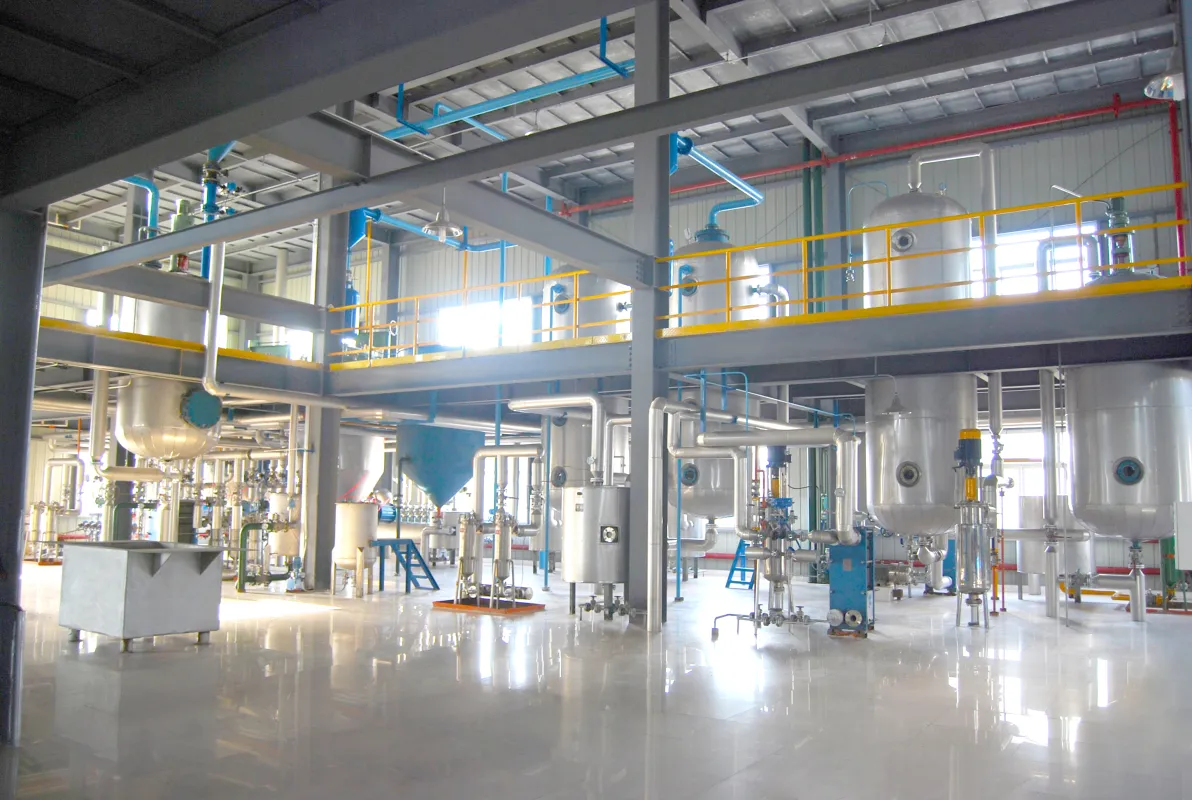
For entrepreneurs and processors evaluating small-scale peanut oil plants, choosing the right small-scale peanut oil production line is crucial, as it relates to achieving stable output, substantial profits, and regulatory compliance. QIE Group offers small-scale peanut oil production line solutions that combine process engineering, modular equipment design, and comprehensive after-sales support to meet diverse budgets and production goals.
Small peanut oil mills can benefit from optimized layout and equipment selection: reduced energy consumption, simplified maintenance, and faster capacity ramp-up. Typical advantages include:
A well-designed small-scale peanut oil production line typically comprises the following stages. The QIE Group offers a variety of equipment options for each stage and can configure the production line according to local power and utility constraints.
| stage | Purpose | Typical equipment |
|---|---|---|
| Cleaning and grading | Remove impurities to ensure seed quality | Vibrating screen, destoner, magnetic separator |
| Unshelling/removing the shell (optional) | Improve pressing efficiency and oil quality | Sheller, air intake |
| Grinding and conditioning | Prepare seeds for pressing; adjust humidity/temperature | Crusher, steam regulating device |
| urgent | Primary oil extraction | Screw oil press, small hydraulic press, oil press |
| Filtration and Clarification | Remove solids and improve oil stability | Filter press, plate filter, centrifuge |
| Refined (optional) | Meets the specifications of refined oil in the edible oil market | Degumming tank, neutralizer, bleaching unit, deodorizer |
| Package | Fill and seal retail or bulk containers | Filling machine, capping machine, labeling machine production line |
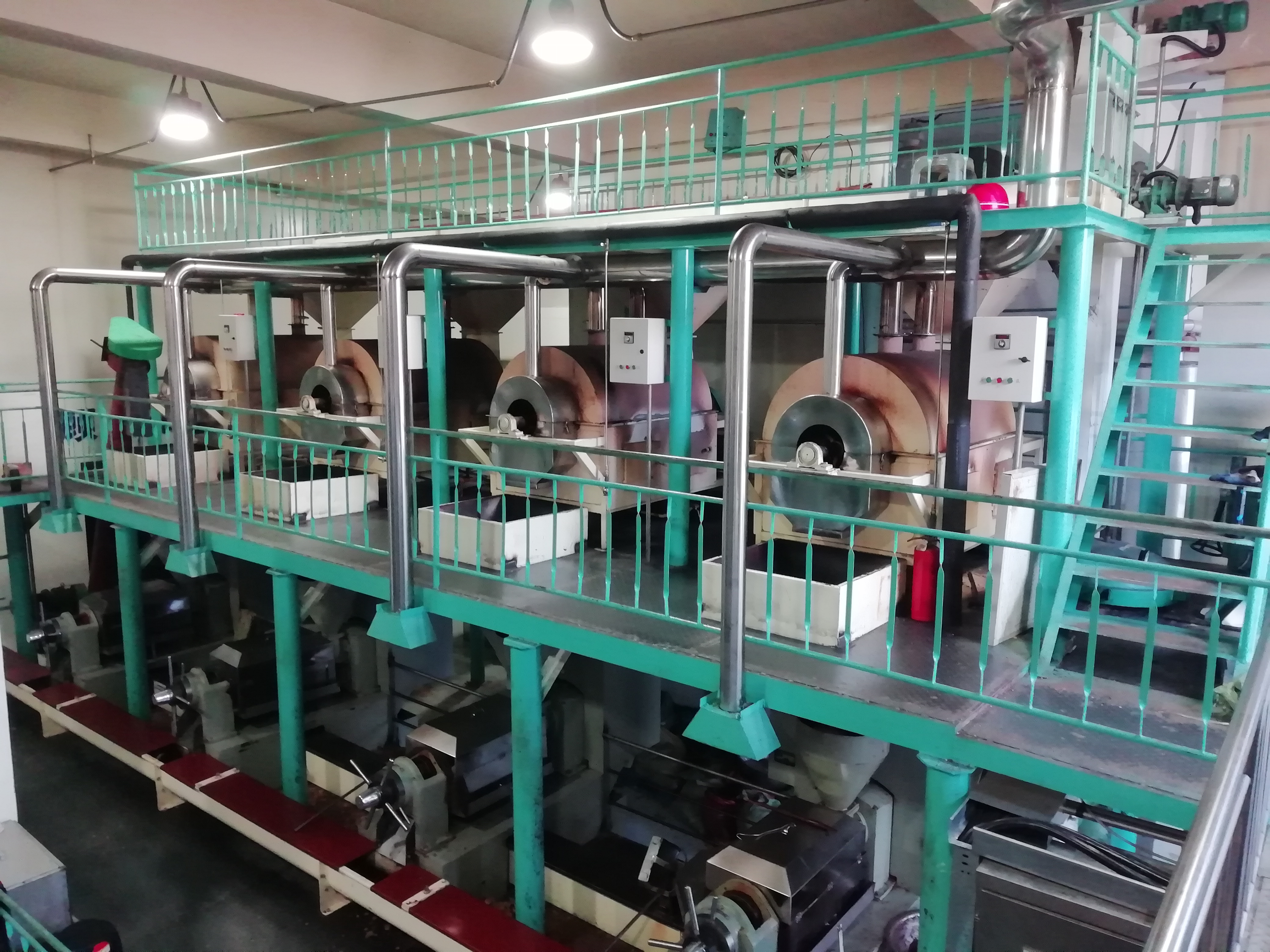
For seeds with an oil content of 45%, a seed processing line with a daily capacity of 2 tons can produce approximately 900 kg of crude oil per day, provided that the pressing and clarification processes are properly controlled. The QIE Group provides process optimization services to help maximize production while ensuring oil quality.
QIE Group provides customized solutions for small peanut oil mills:
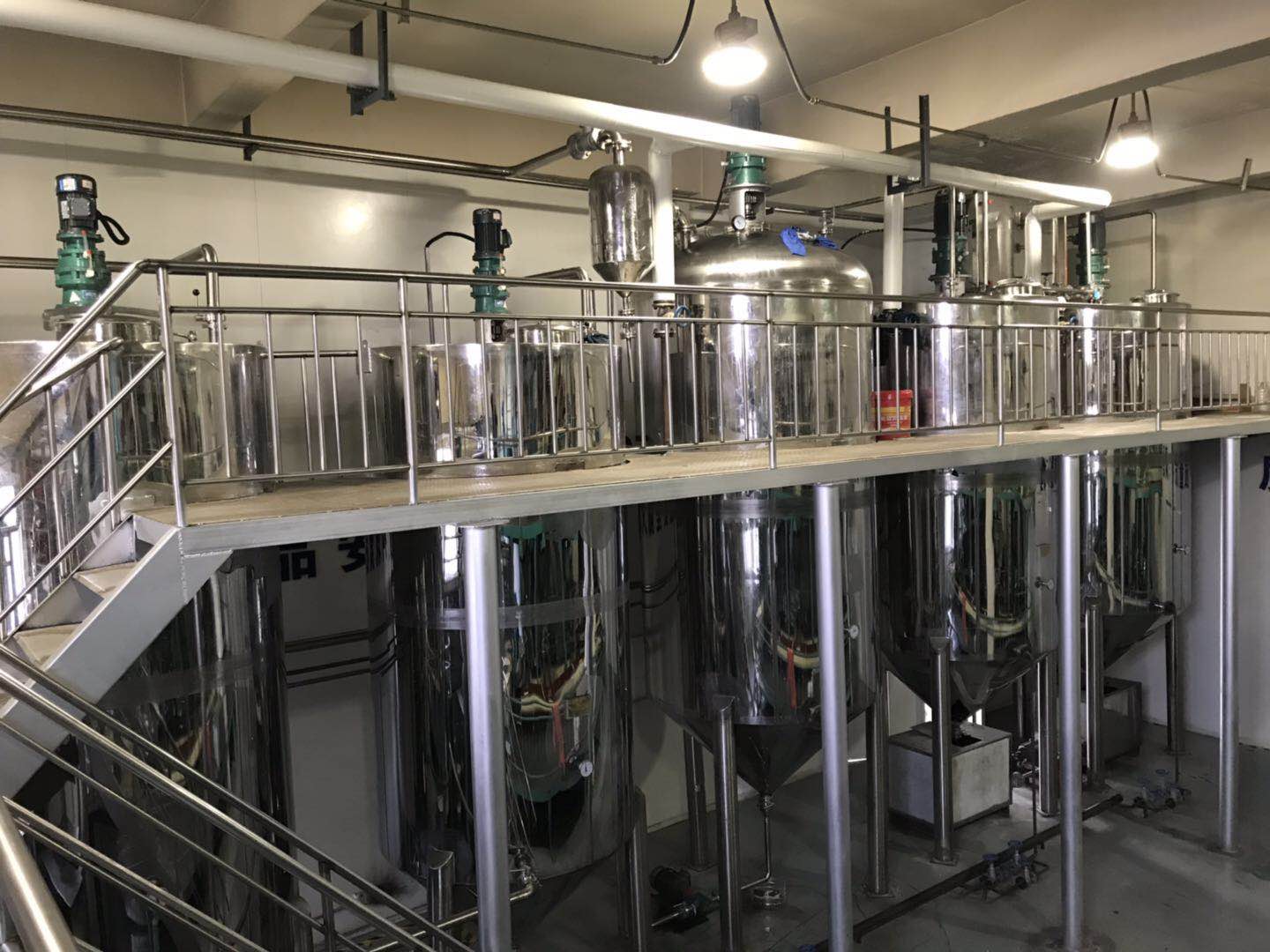
The investment amount for a small-scale peanut oil production line depends on capacity, level of automation, and whether refining is required. Many customers prefer to invest in stages: first invest in building the pressing and clarifying lines, and then add cost-effective refining modules as market demand for branded refined oil grows.
Operating costs typically include raw materials (peanuts), energy (electricity, steam), labor, consumables (filter media, refining chemicals), and maintenance. QIE Group provides operating cost forecasting models for each project to help clients predict cash flow and payback period.
To ensure consistent oil quality, it is necessary to monitor seed moisture, seed cleanliness, pressing parameters, and filtration. The QIE Group can integrate basic online sensors and provides sampling procedure training to ensure compliance with common export standards (e.g., peroxide value, free fatty acid limits, moisture content).
QIE Group combines industry-leading equipment with efficient project management. Key advantages:
When comparing different options, the focus should be on the total cost of ownership, not just the equipment list price. Key evaluation points:
Please consider the stability of raw material supply and market demand. For many new operators, a small-scale peanut oil production line with a daily output of 1-5 tons is a feasible starting point, as it ensures controllable working capital while achieving a considerable daily output. QIE Group can simulate cash flow for different production capacities during the quotation process.
Yes. Many manufacturers take a phased approach: first, they install crushing and filtration equipment to sell crude oil or perform basic refining, and then, as production and profits increase, they add degumming and neutralization modules based on their investment. The modular system designed by the QIE Group is intended to simplify future integration.
The oil yield of peanut seeds depends on the seed variety, moisture content, and processing quality. Typical crude oil yield for peanut seeds ranges from 40% to 52%. With optimized equipment, proper processing and pressing can typically achieve oil yields close to the upper limit of this range.
QIE Group provides on-site commissioning, operator training, and initial spare parts. Remote support and regular maintenance services are also offered. Training content covers process control, routine maintenance, quality sampling, and basic troubleshooting.
Please provide key data: required daily seed production, target oil product quality (crude oil or refined oil), available utilities (electricity, steam), and space constraints. QIE Group will develop a plan based on the specific circumstances, including layout options, projected energy consumption, and expected production. A final quote and detailed site design recommendations will be provided through an on-site survey.
Want a customized solution? Get a solution and projected ROI tailored to your seed source and target market.