Investing in and building a Peanut oil refinery is a crucial step in upgrading the oil grade and converting crude oil into Grade 1 edible oil. Whether you are looking for a compact unit or a large-scale industrial production line, understanding its cost structure and technology configuration is essential to your return on investment (ROI).
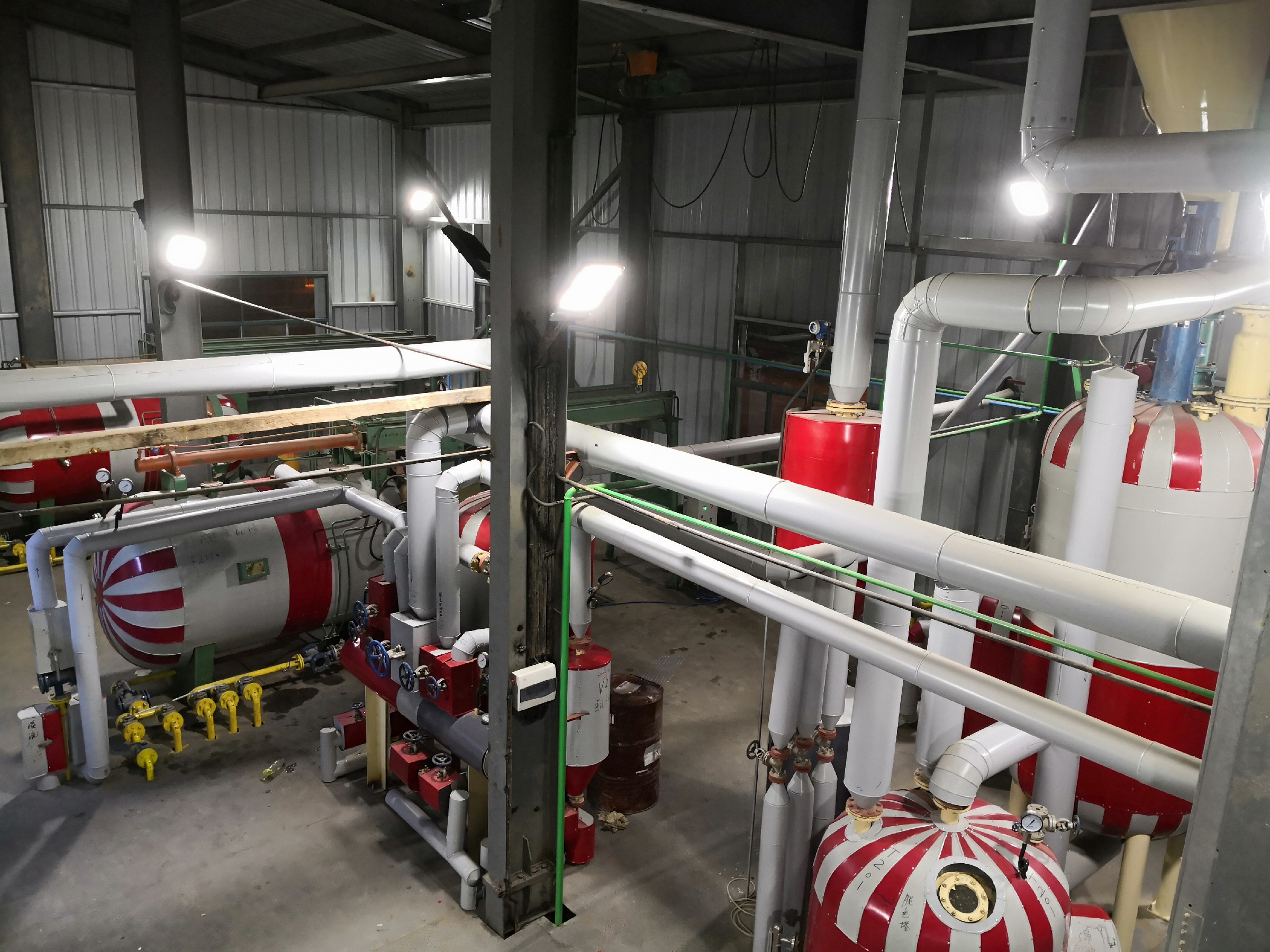
For startups or small and medium-sized investors, intermittent refining systems are the most cost-effective option.
Price reference: The starting price is usually between US$15,000 and US$50,000 , depending on the daily processing volume (usually 1-5 tons/day).
Target audience: Fine oil mills or local small distributors that focus on producing rich-flavored peanut oil .
Content creation and technical highlights:
Preservation of rich aroma: For the demand for rich aroma oil, we use a low-temperature cold filtration process , removing impurities only through light refining or natural sedimentation, to preserve the natural nutty aroma and amber color of peanuts to the greatest extent.
Compact structure: The system integrates functions such as degumming, deacidification, and decolorization, eliminating the need for complex continuous towers, occupying a small area, and is easy to operate.
Nutrient retention: When used in conjunction with the cold-pressing process described in the document, it can effectively preserve heat-sensitive nutrients in oilseeds.
QIE GROUP provides structured "Manufacturer Quotations" that clearly define the scope of procurement, avoid overlap with local contractors, and ensure the auditability of the procurement process. The following list outlines typical projects and explains the meaning of "standard" and "optional." Prices are available based on demand and are subject to adjustment based on capacity and compliance.
| pack | Standard range | Optional add-ons | notes |
|---|---|---|---|
| Degumming and neutralization | Mixing reactor, dosing skid (acid/sodium hydroxide), separator | Dry degumming; enzymatic degumming; continuous acid addition | Configure according to FFA and phosphorus baseline. |
| drift | Bleaching tank, vacuum pump, filter press or sealed filter | Waste transportation; nitrogen mulching | Low oxygen intake for oxidation control |
| Deodorization | Packed/stripping tower, steam ejector, surface condenser | Thermal oil heater; multi-effect heat recovery; polishing filter | Removes odors while minimizing the formation of trans fats. |
| Instrumentation and Control | Field instruments, PLC/SCADA, control panels | DCS with batch history recorder; remote diagnostics | Data integrity in accordance with 21 CFR Part 11 (available on demand) |
| Public utilities and ancillary facilities | Pumps, heat exchangers, skid-mounted piping equipment, platforms | CIP system; nitrogen; inert gas safety system | Connect to existing boilers/chillers |
| Documents and Services | Process flow diagram, assembly drawing, factory acceptance test, on-site acceptance test, commissioning | IQ/OQ; Operator training; Overall cleaning plan | Equipment bearing the CE/ASME mark in various regions |
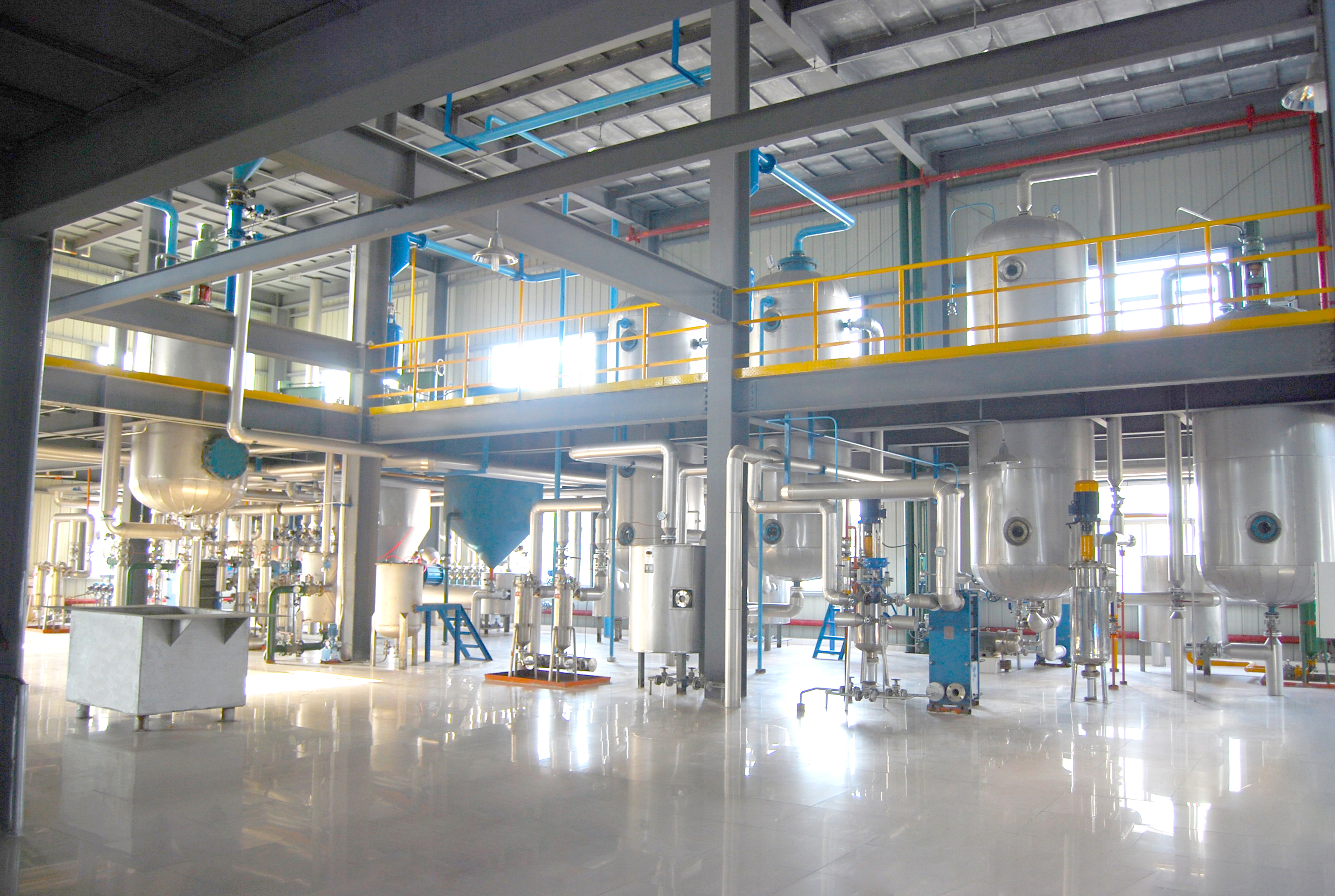
When the production scale reaches 10-30 tons/day, the degree of automation becomes the core to reduce labor costs and ensure the stability of oil products.
List of core equipment components:
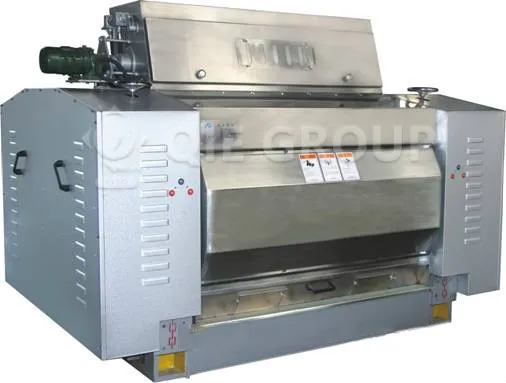
High-speed disc centrifuge: Utilizes powerful centrifugal force to efficiently remove phospholipids and mucus from crude oil (degumming process).
Vacuum decolorization tower: Uses adsorbent (white clay) to remove chlorophyll and carotenoids, making the oil clear and bright.
Leaf filter: It achieves fully enclosed filtration, ensuring that there is no white clay residue in the decolorized oil and that the filter cake has low oil content.
PLC control system: It uses online sensors to precisely control temperature, pressure and alkali dosage, enabling full-process monitoring of the production line.
Price drivers: Using all food-grade stainless steel and PLC automation configuration will increase the initial price, but can reduce overall energy consumption by about 10-15% .
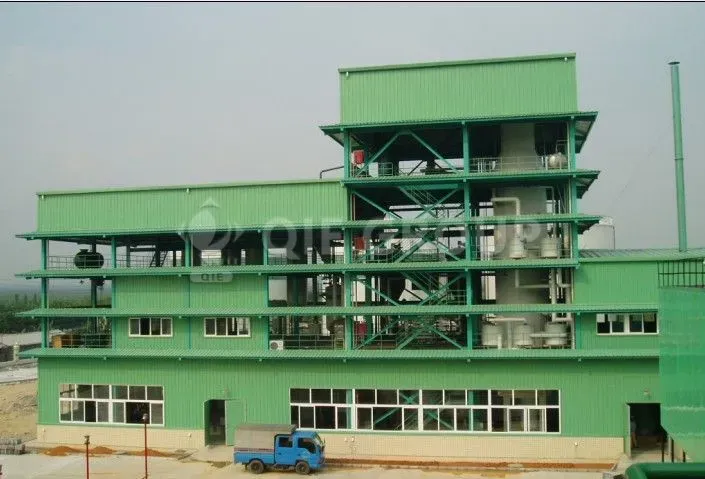
For large-scale industrial projects with a capacity of 30-100 tons or more, the combined process of pre-pressing-leaching-refining is the standard path to maximize profits.
Turnkey project (EPC) services include:
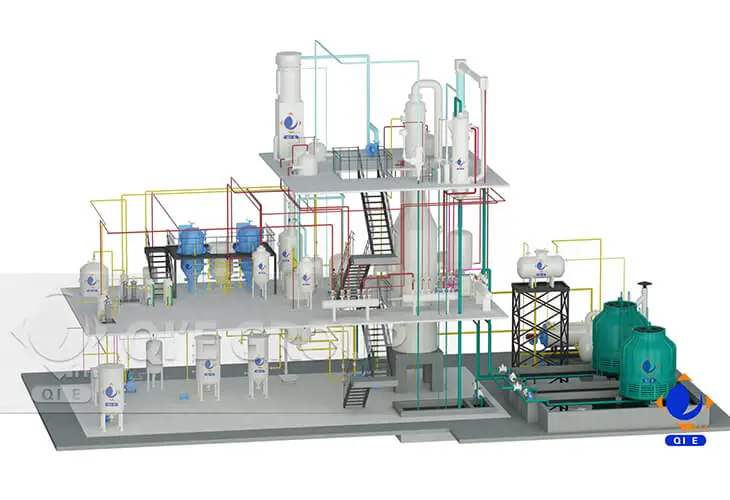
Engineering design: Provide 3D layout planning for the factory to optimize material flow.
Deep pretreatment: According to the document, this includes stone removal, steam conditioning at 90-150°C , rolling and expansion, which disrupts the cell structure of oilseeds and improves oil yield.
High-efficiency leaching integration: Matched with ring or flat rotary leaching units, the residual oil content in the meal is controlled below 0.8% , greatly improving the total output.
Fully continuous refining: achieves 24-hour uninterrupted operation, adopting a combination of physical and chemical refining modes.
Performance indicators: It adopts high vacuum (1-2 mmHg) deodorization technology, producing oil with high smoke point and pure flavor, which meets international export standards.
Before finalizing your purchase, please refer to the following technical details, as they will directly impact your total investment:
Choice of refining method:
Physical refining: Free fatty acids are removed directly in the deodorization stage. This is the mainstream modern process, with low loss and no soap residue wastewater generated.
Chemical refining (alkali refining): suitable for crude oil with high acid value, through neutralization by adding alkali, the process is mature and stable.
Energy-saving recovery system: Although adding a high-efficiency heat exchanger will increase the price, it can recover more than 70% of the heat energy, significantly reducing subsequent fuel or electricity costs.
Finished oil grade: Is your goal to produce "Grade 1 oil" or "fragrant oil" that retains its aroma? The document points out that fragrant oil needs to be produced at around 150°C during the seed roasting process to produce the Maillard reaction, and subsequent refining should avoid high-temperature deodorization.
The key difference lies in the preservation of aroma. According to our approach, our rich-aroma peanut oil focuses on "light refining," typically involving high-temperature steaming at 150°C during the pre-treatment stage to develop aroma. It then undergoes only degumming and cold filtration, without high-temperature deodorization, to prevent aroma loss. In contrast, regular grade one oil requires a complete "degumming-deacidification-decolorization-deodorization" process to achieve a higher smoke point and longer shelf life.
For projects with large daily processing volumes, leaching processes can significantly increase oil yield. According to technical documentation, the residual oil in the cake after simple pressing is typically above 6%, while after deep oil extraction using our annular or rotary leaching units , the residual oil content in the meal can be reduced to ≤ 0.8% . This approximately 5% difference in oil yield is the core source of profit for large-scale plants.
Physical refining (removing fatty acids through steam distillation in a deodorization tower) is currently the mainstream recommended method. Its advantages include lower losses, no soap residue wastewater , greater environmental friendliness, and lower chemical reagent costs. Chemical refining (alkali refining) is more suitable for crude oils with fluctuating acid values. We will provide the most suitable cost optimization suggestions based on the quality of your raw materials.
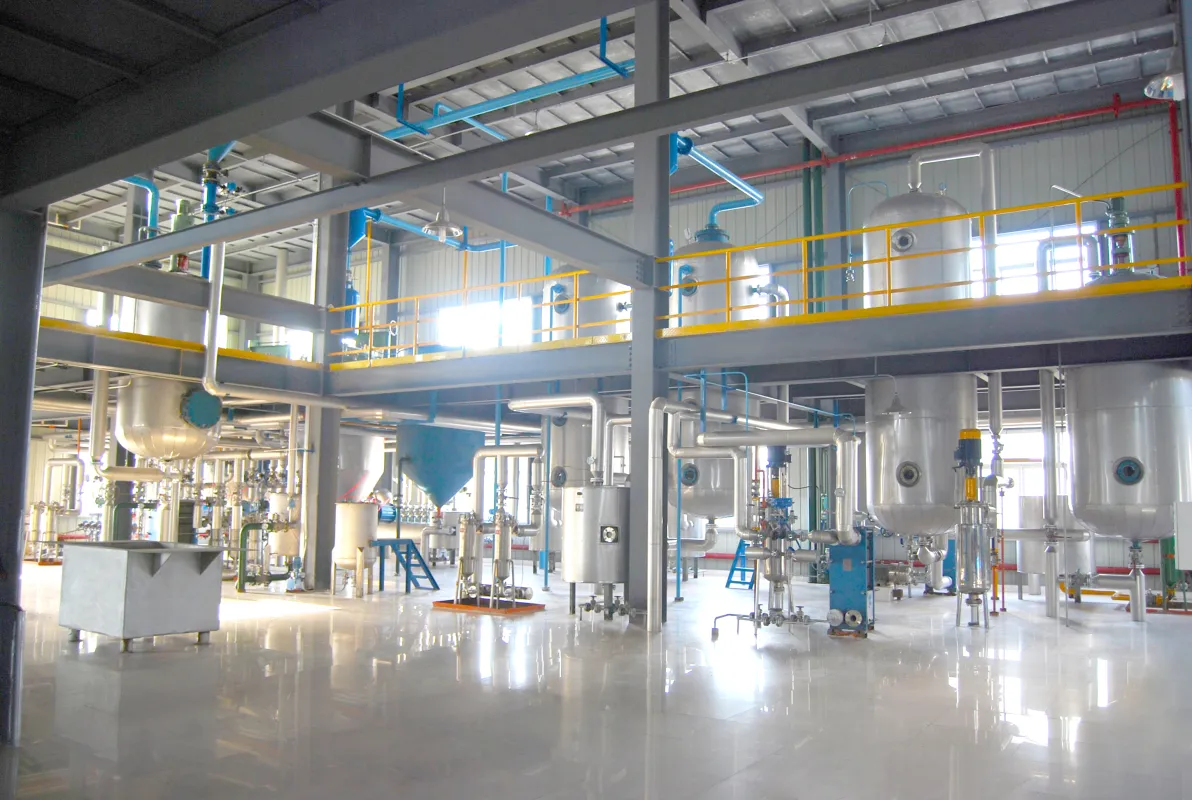
A standard small-scale batch refining line mainly consists of a refining pot (degumming/deacidification) , a decolorizing pot , a vacuum system , a leaf filter , and a thermal oil furnace . This configuration not only has a low investment threshold (starting from approximately $15,000) but also requires a small footprint, making it ideal for start-up processing plants with a daily output of 1-5 tons.
We incorporated a full negative pressure evaporation system and a heat recovery device into the design. By exchanging heat with the high-temperature oil in the deodorization section, the crude oil to be processed can be preheated. According to actual measurement data, this design can reduce the overall refining energy consumption by approximately 10-15% . Furthermore, combined with the fully enclosed negative pressure system, it can effectively reduce the loss of solvents and auxiliary materials.
The choice of peanut oil refining equipment depends on your market positioning. Whether you are pursuing the ultimate rich aroma or an extremely high total oil yield (over 98%) , our engineering team can provide you with a complete solution from equipment selection to installation and commissioning.
Contact us to get free 3D factory design drafts and a detailed quotation.