Peanut oil production requires more than simply choosing a press. The final oil yield, flavor profile, product grade, energy use, and plant economics all depend on how the full process is planned—from raw material intake to pretreatment, pressing, extraction, refining, and packaging. This page explains the peanut oil production process in a practical and structured way for oil mill investors, edible oil processors, and overseas buyers evaluating a peanut oil production line.
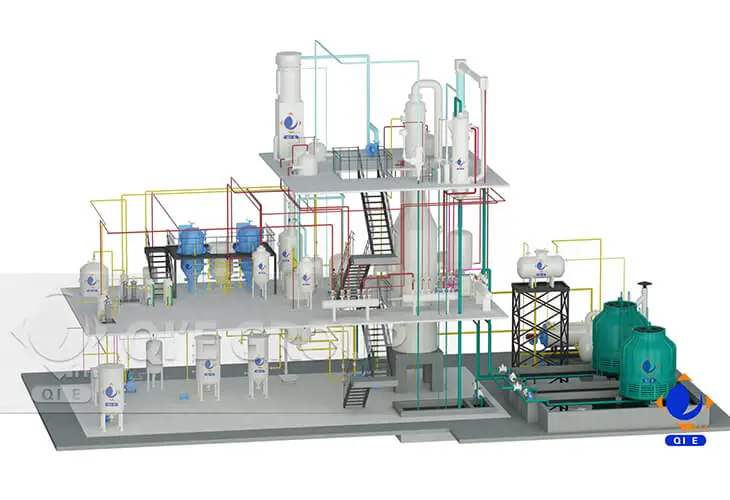
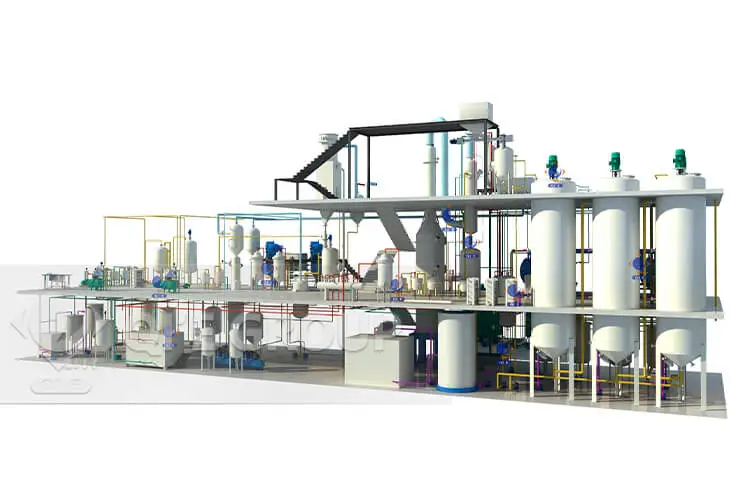
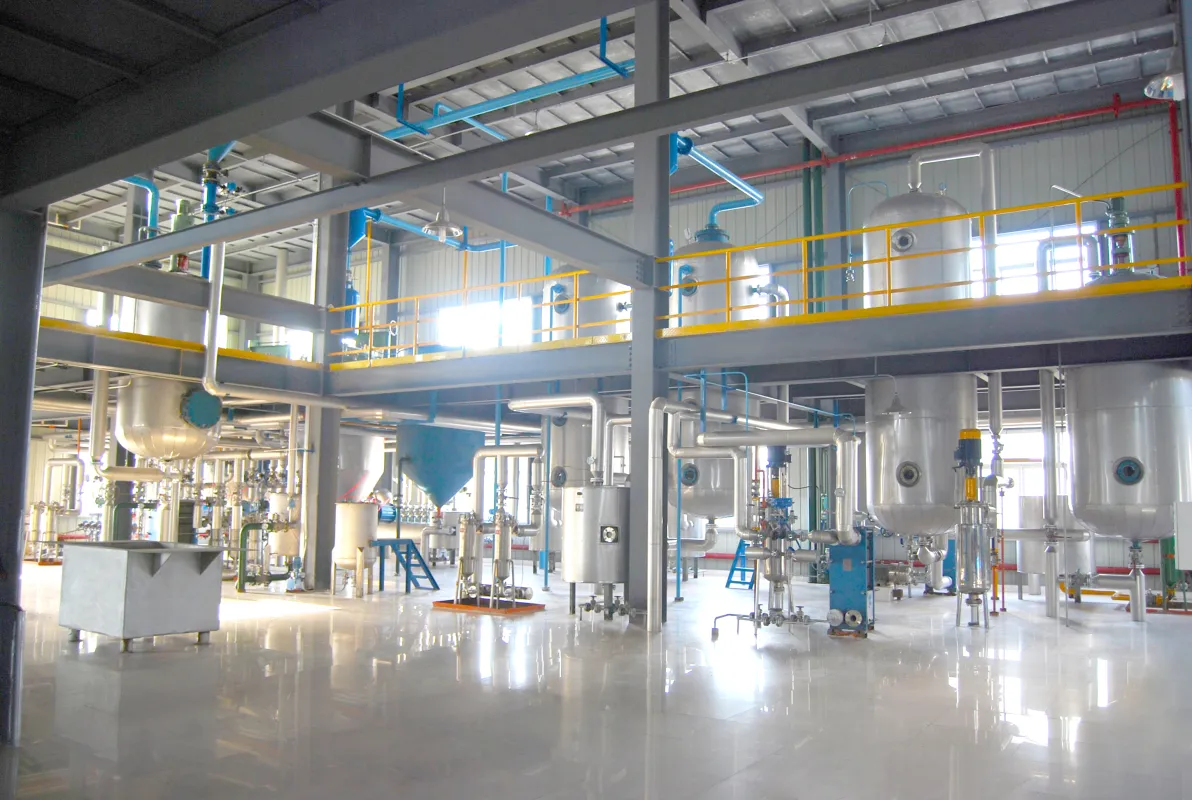
Based on the equipment and process logic supported by QIE Group, a complete peanut oil plant may include peanut oil pretreatment machines, screw oil presses, hydraulic oil presses, pre-press machines, solvent extraction systems, DTDC desolventizers, and refining equipment such as degumming centrifuges, deacidification towers, bleaching vessels, and deodorization towers. The right combination depends on whether your target is aromatic premium oil, standard refined oil, or high-throughput industrial production.
What this guide helps you compare: process route selection, equipment function, oil yield expectations, flavor retention, refining depth, and key purchasing considerations for a peanut oil processing project.
Peanut is a high-oil-content raw material, typically containing about 45%–55% oil. In commercial processing, two main routes are commonly considered. One focuses on strong roasted aroma and premium positioning. The other focuses on higher comprehensive oil recovery and large-scale production efficiency.
| Process Route | Typical Workflow | Best Fit | Main Advantage |
|---|---|---|---|
| Aromatic pressing line | Cleaning → Cracking → High-temperature cooking (~150°C) → Screw press / small press → Cooling filtration / crude filtration → Mild degumming or cold filtration → Filling | Premium roasted peanut oil with strong nutty aroma | Flavor differentiation and high-end market positioning |
| Pre-press + solvent extraction line | Cleaning → Cracking → Cooking (~120°C adjustable) → Pre-pressing → Extraction → Mixed oil desolventizing → Crude oil → Refining → Packaging | Large-capacity production of standard refined peanut oil | Higher overall oil recovery and better production economics |
Pretreatment is the foundation of the entire peanut oil production process. Before pressing or extraction, the raw peanuts must be prepared so that impurities are removed, particle size is controlled, moisture is adjusted, and the cell structure becomes suitable for oil release.
Cleaning → Cracking → Cooking / Conditioning (90–150°C)
In peanut processing, pretreatment is not just a preparation step. It directly affects oil yield, press cake condition, flavor development, extraction performance, and final refining efficiency.
The pressing stage uses mechanical force to extract oil from prepared peanuts. Depending on the production target, the system may use a screw oil press, a hydraulic oil press, or a large pre-press machine as part of a continuous peanut oil production line.
Usually uses a small screw oil press or hydraulic oil press for premium roasted peanut oil.
Usually uses a large screw pre-press machine before solvent extraction in high-capacity plants.
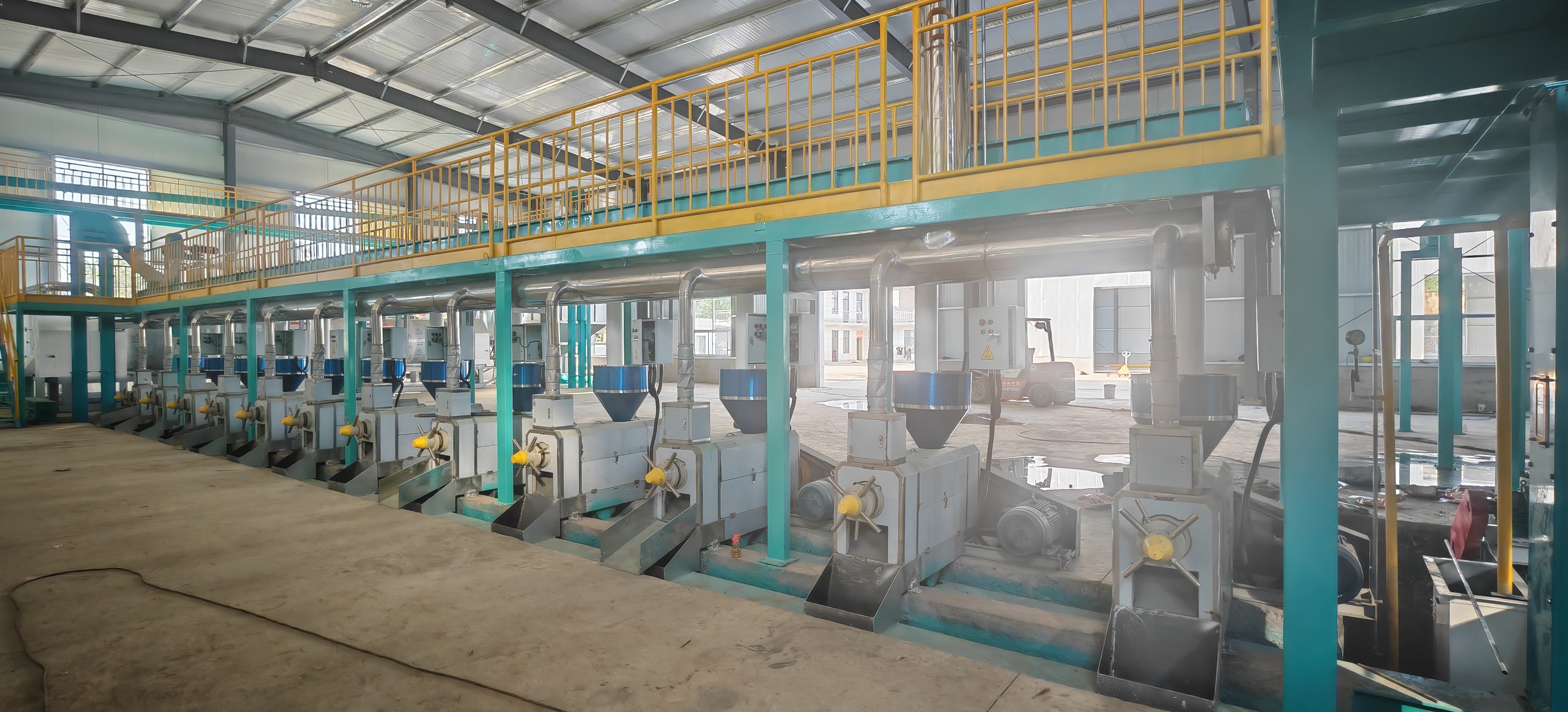
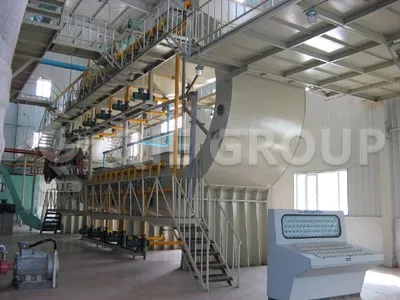
For larger projects, the pre-press + solvent extraction route is often selected to maximize total oil recovery from pre-pressed cake. This stage is especially relevant when the target is standard-grade refined peanut oil and better overall plant economics.
Pre-pressed cake → Extractor (counter-current solvent extraction) → Mixed oil → Evaporation / stripping → Extracted crude oil
Wet meal → DTDC desolventizer-toaster-dryer-cooler → Finished peanut meal
| Extraction Indicator | Reference Value | Practical Meaning |
|---|---|---|
| Residual oil in meal | ≤ 0.8% | Supports high overall oil recovery |
| Solvent consumption | ≤ 1.5 kg/t | Important for operating cost control |
| Solvent recovery rate | ≥ 99.5% | Improves safety and reduces solvent loss |
| Thermal efficiency improvement | About 10%–15% | Helps reduce energy demand in plant operation |
QIE Group can configure the extraction section with a fully enclosed negative-pressure system to help control solvent leakage risk, while modular design supports different capacity requirements for industrial peanut oil processing projects.
The peanut oil refining process removes gums, free fatty acids, pigments, and odor components from crude oil. However, refining depth must match the product goal. Premium aromatic peanut oil and fully refined first-grade peanut oil should not be treated the same way.
Degumming → Deacidification → Bleaching → Deodorization
| Refining Step | Aromatic Peanut Oil | First-Grade Refined Peanut Oil | Purpose |
|---|---|---|---|
| Degumming | Cold filtration or mild treatment | Water degumming / acid refining + centrifugation | Removes phospholipids and gums |
| Deacidification | Often omitted | Alkali neutralization or physical distillation | Controls acid value and stability |
| Bleaching | Usually omitted or light bleaching | Adsorptive bleaching with activated clay | Improves color and removes oxidation by-products |
| Deodorization | Not suitable for aromatic oil | Essential high-vacuum steam distillation step | Removes odor, improves flavor neutrality, smoke point, and shelf stability |
Continuous refining systems are typically preferred, while batch refining may be considered for smaller projects up to about 30 TPD. High-vacuum and lower-temperature operation helps reduce oxidation and supports more stable finished oil quality. Depending on the project, refining energy consumption can be reduced by about 10%–15%.
For buyers, the best line is not always the most complex one. Equipment selection should be based on product positioning, target market, plant scale, safety management capability, and budget structure. When planning a peanut oil production line, these considerations are especially important:
Are you producing aromatic roasted peanut oil for premium retail, or neutral refined oil for mass market and food industry use?
Small and medium plants may prefer simpler pressing lines, while larger projects often justify pre-pressing, extraction, and continuous refining.
Higher oil recovery usually comes with deeper processing. Strong flavor retention often means accepting a lower extraction rate.
Steam, power, cooling, and heat recovery design will affect long-term operating cost and line stability.
Extraction plants require stronger solvent management, closed systems, recovery units, and compliant workshop design.
Modular layout can make future capacity upgrades easier, especially for overseas projects that grow in phases.

| Comparison Item | Aromatic Pressing Process | Pre-press + Extraction Process |
|---|---|---|
| Product positioning | Premium flavorful oil, darker color, strong aroma | Standard first-grade refined oil, lighter flavor, clearer appearance |
| Core value | Natural aroma and flavor character | High oil recovery and stronger production efficiency |
| Investment profile | Lower equipment investment, but higher raw material and process sensitivity | Higher initial investment due to extraction and refining sections |
| Oil recovery level | Lower than combined route, roughly about 40%–45% | Very high, with overall recovery often above 98% |
| Technical focus | Cooking control and flavor preservation | Pre-press cake residual oil control and refining loss control |
| Typical market | Specialty retail, premium consumer market, gift oil | Household cooking, foodservice, and food manufacturing |
As a grain and oil machinery manufacturer, QIE GROUP supports process-based line planning rather than one-size-fits-all equipment matching. This helps buyers assess whether they need a compact pressing setup, a complete peanut oil processing equipment package, or a larger project including extraction and refining.
If you are comparing process routes, selecting between screw pressing and pre-press extraction, or planning a complete peanut oil refining section, QIE Group can help you evaluate a suitable configuration based on your raw material, target oil type, expected capacity, and market plan.