1. 2026 Project Planning: Site Requirements and Pre-treatment Section
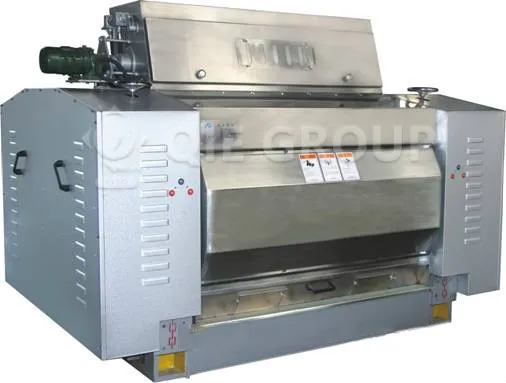
Successful peanut oil extraction begins with rigorous seed preparation. For 2026 installations, we prioritize cleaning, de-stoning, and magnetic separation to protect downstream high-pressure presses from abrasive wear. Our engineering standards ensure:
- Cleaning Efficiency: > 99% to ensure crude oil purity.
- Moisture Control: Kernel moisture adjusted to < 8.5% for optimal cell rupture.
- Crushing: Uniform particle size distribution to maximize surface area for thermal treatment.
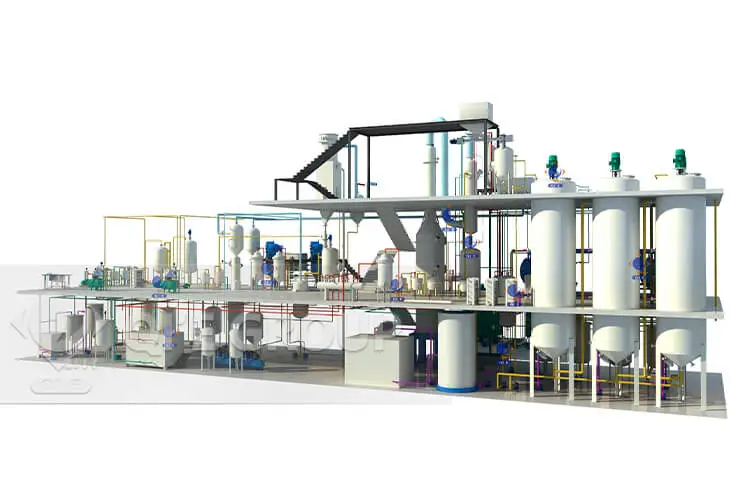
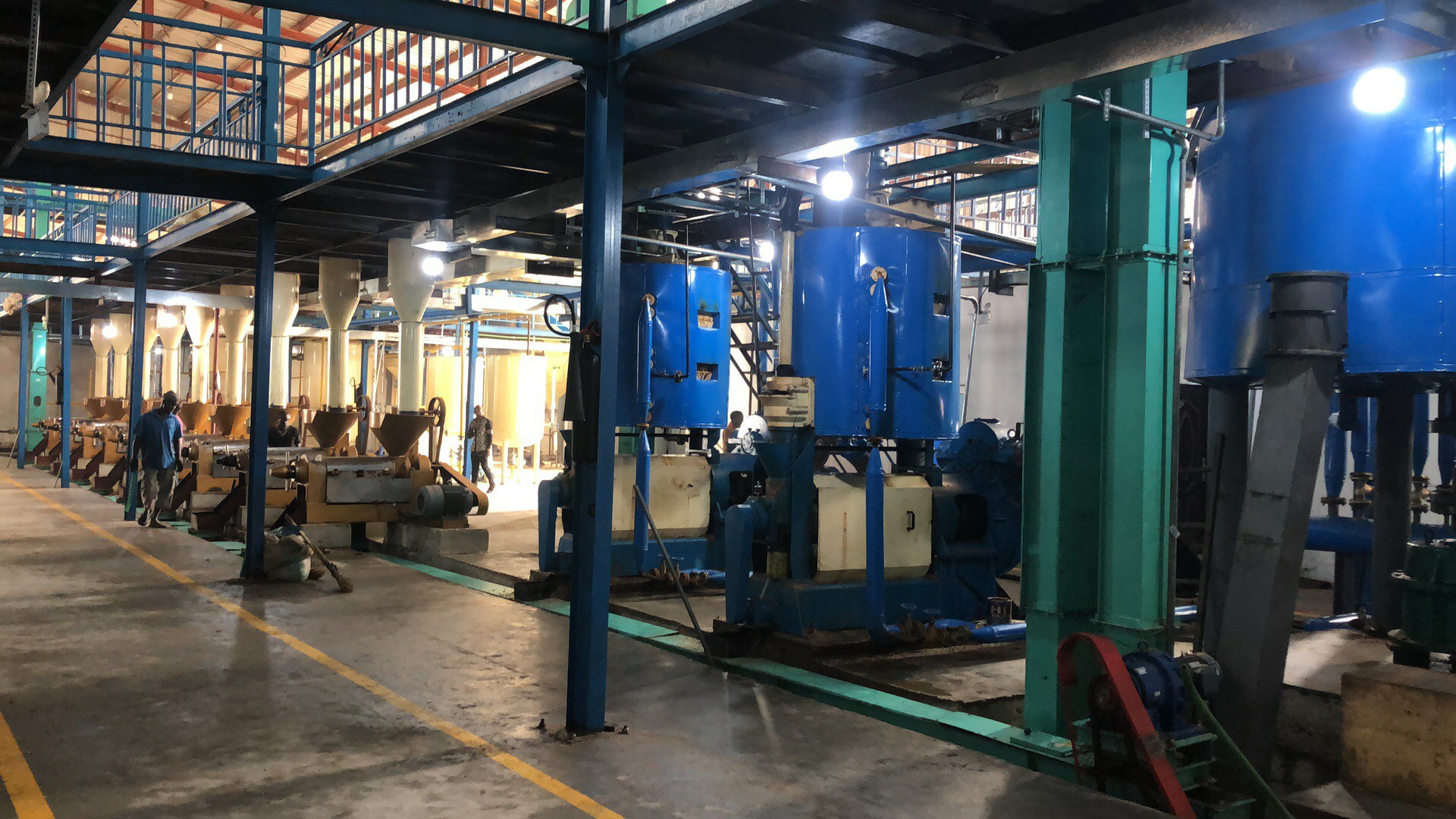
2. Core Equipment: Cost of Fully Automatic Peanut Oil Pressing Line 2026
The cost of fully automatic peanut oil pressing line 2026 configurations depends on the processing mode: Cold Pressing (< 70°C) versus Hot Pressing (100-120°C).
Integrated PLC systems and ZY-series screw presses now feature real-time pressure monitoring to maintain a residual oil in cake rate between 5.0% and 7.0%.
3. Capacity vs. Budget: Small-scale Peanut Oil Extraction Machinery Prices and ROI
For entrepreneurs, small-scale peanut oil extraction machinery prices and ROI are primary decision drivers. While CAPEX is lower, these plants achieve high returns by targeting the "Premium Fragrant Oil" market. Standard yields for 2026 units range from 35% to 40% depending on the peanut variety.
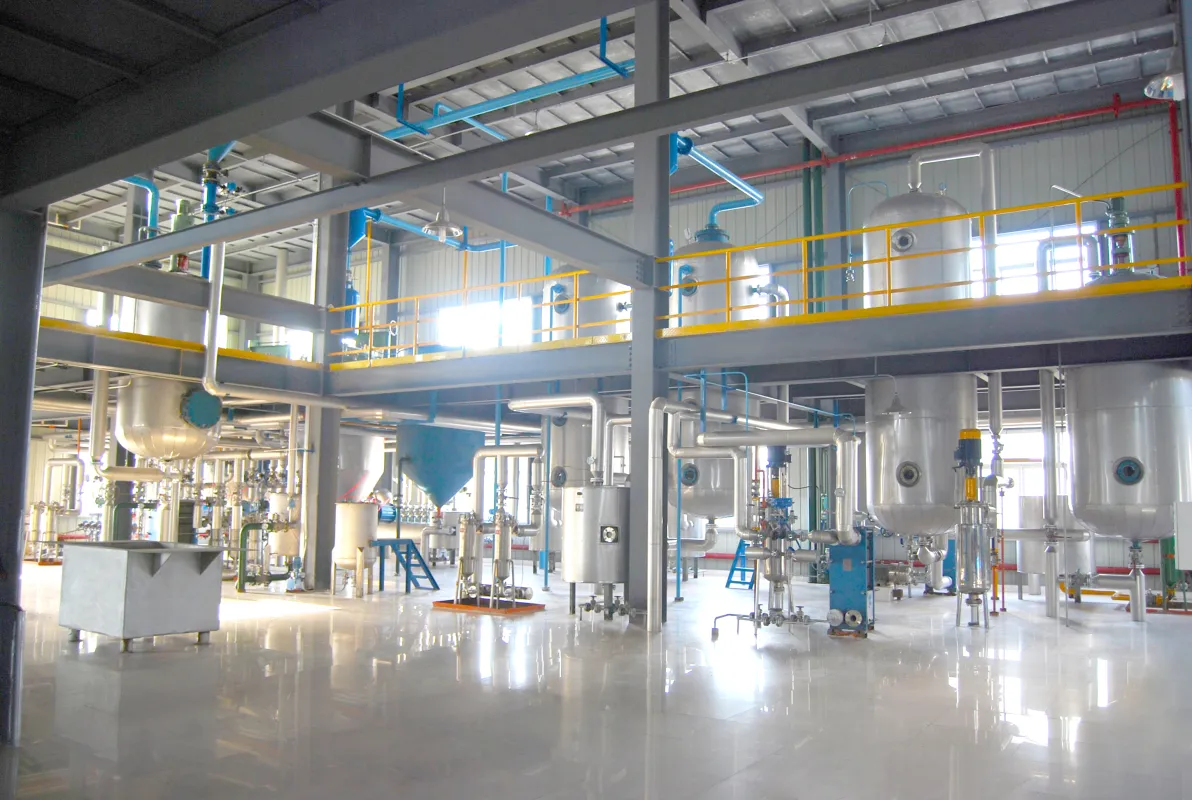
4. Refining Technology: High-Efficiency Peanut oil refinery Equipment for 2026 New Plants
Achieving "Grade 1" status requires high-efficiency Peanut oil refinery equipment for 2026 new plants. The process involves:
| Process | Objective | 2026 Technical Benchmark |
|---|---|---|
| Degumming | Remove Phospholipids | Centrifugal separation |
| Deacidification | Remove FFA | Physical Refining (Low loss) |
| Deodorization | Eliminate Odor | Vacuum 1-2mmHg |
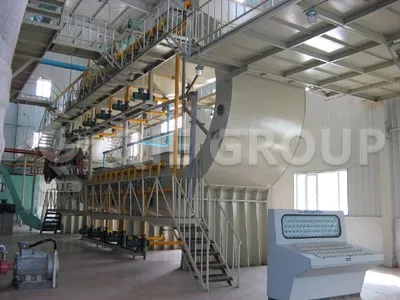
5. Solvent Extraction: Maximizing Yield
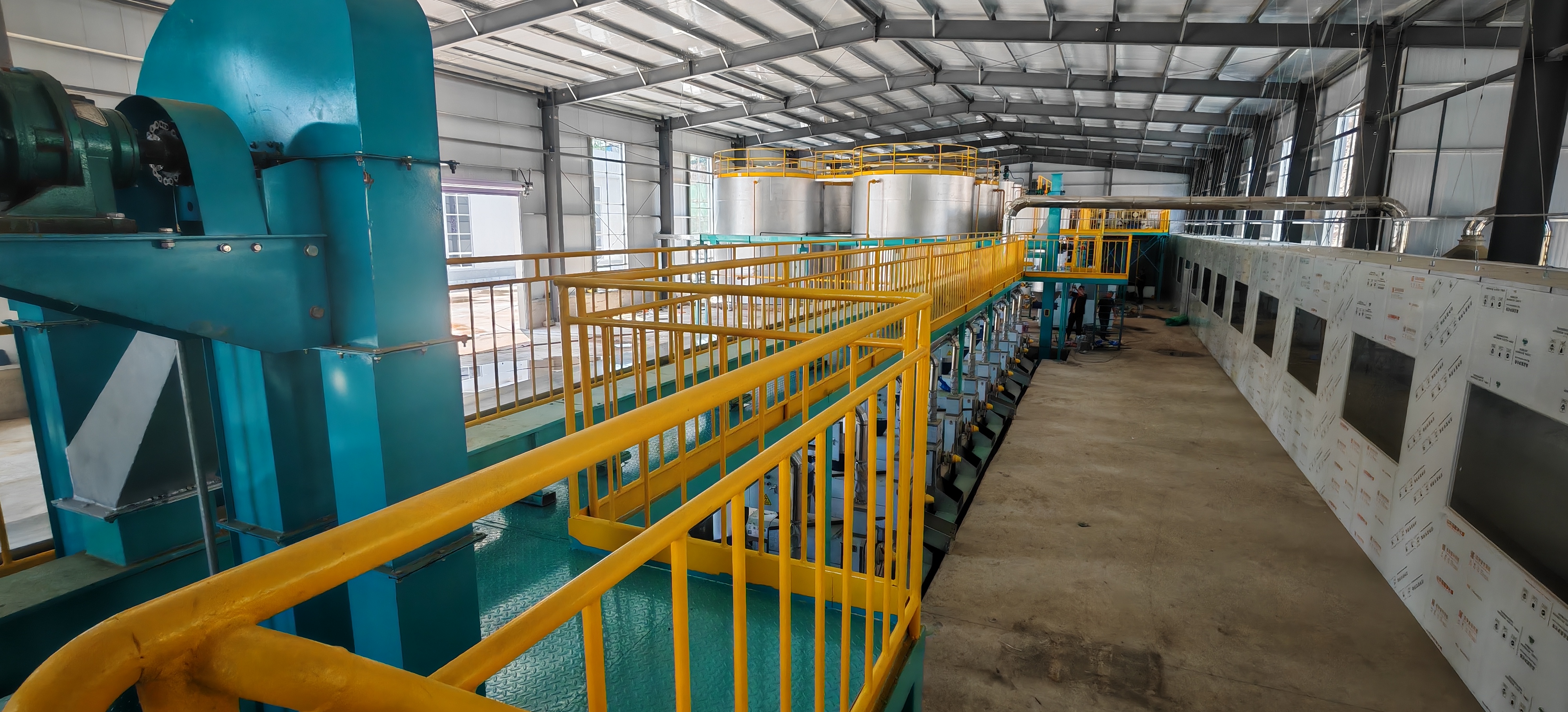
For industrial-scale projects (>30 TPD), our solvent extraction technology ensures a meal residual oil rate of ≤ 0.8%. With solvent consumption at ≤ 1.5 kg/t, this route maximizes economic efficiency for large-scale production.
Frequently Asked Questions About Peanut Oil Production Lines
Q1: What is the estimated cost of fully automatic peanut oil pressing line 2026 configurations?
A: A standard 20-50 TPD pressing line typically ranges from $45,000 to $120,000 for core machinery, depending on the PLC automation level and integrated refining capacity.
Q2: How do small-scale peanut oil extraction machinery prices and ROI compare?
A: Small-scale setups (5-10 TPD) start at $15,000-$30,000. They offer rapid ROI (8-14 months) by targeting premium "Fragrant Oil" markets with higher retail margins.
Q3: Why is high-efficiency refinery equipment necessary for 2026 projects?
A: It ensures compliance with international standards by reducing Acid Value to < 0.2 mg KOH/g and removing phospholipids for long-term oil stability.
Q4: What is the solvent recovery benchmark for 2026 plants?
A: Modern plants achieve a solvent recovery rate of ≥ 99.5%, maintaining solvent consumption at ≤ 1.5 kg per ton of raw material.
Q5: Can the machinery switch between Cold and Hot pressing?
A: Yes, 2026 modular units allow for temperature adjustment in the roaster to switch between high-aroma hot pressing and nutrient-dense cold pressing.