Procurement evaluation page for peanut oil processing enterprises
A peanut oil production line is not simply a matter of piecing together a few pieces of equipment; it is a complex system engineering project involving peanut oil pretreatment machines, peanut oil presses, filtration units, material conveying, workshop layout, and automated control . Many projects encounter problems during the procurement phase not because the wrong equipment names were chosen, but because of insufficient assessment of capacity matching, land area reservation, future maintenance, and automation limits .
In commercial peanut oil processing projects, buyers typically focus on price and unit model, but the more critical issues that truly impact the long-term operation of the project are often the following:
When purchasing peanut oil processing equipment, the biggest mistake to avoid is not "buying the wrong piece of equipment," but rather "mismatched logic across the entire production line."
Based on actual processes, peanut oil processing plants typically consist of two main parts: peanut oil pretreatment machines and peanut oil presses . A typical process is as follows:
Peanut kernels → Cleaning → Magnetic separation → Destoning → Crushing → Pressing → Steaming and roasting → Pre-pressing → Steaming and roasting → Second pressing → Filtration → Deacidification and drying → Canning
By-product flow: Secondary pressing → Cake cooling → Cake storage
This process illustrates a key fact: a peanut oil production line is not a single oil press project, but a continuous system from raw material input, impurity separation, heat treatment, pressing, filtration to downstream processing. Insufficient preparation in the upstream stages often leads to unstable pressing and filtration in the downstream stages.

| Equipment Name | Part of the process | Main function | Procurement Focus |
|---|---|---|---|
| Peanut sheller | Raw material pretreatment | Peanuts are shelled to facilitate subsequent processing. | Peeling rate, processing capacity, energy consumption, structural stability |
| Cleaning screen | Cleaning section | Remove impurities of all sizes to improve stability and finished product quality. | Screen maintenance, continuous operation capability, and site cleanliness |
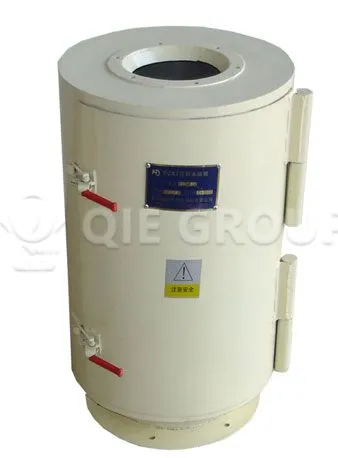
| Magnetic separator | Remove miscellaneous sections | Remove iron impurities to protect downstream equipment. | Magnetic separation efficiency and ease of cleaning |
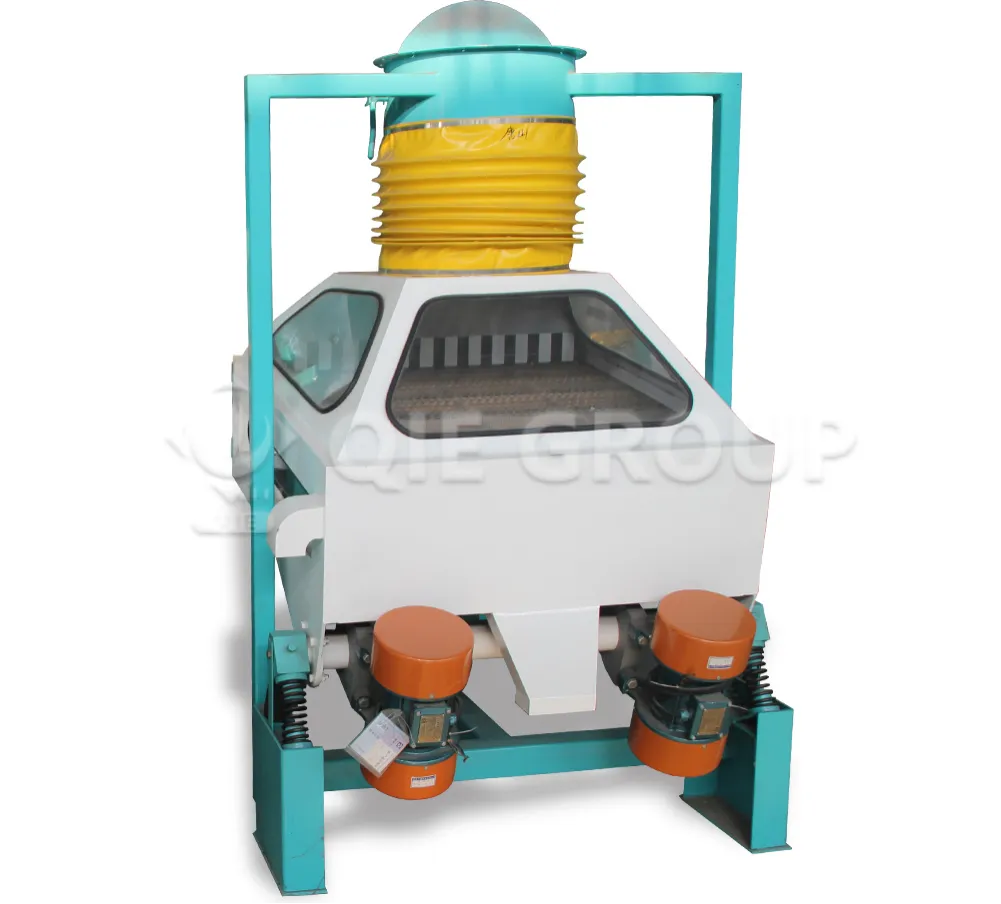
| Gravity destoner | Remove miscellaneous sections | Remove stones and heavy debris to reduce the risk of wear and tear. | Stability of heavy impurity removal and ease of airflow adjustment |
| Toothed Roller Crusher | Fragmented section | Crush the peanuts evenly into 4-8 pieces to facilitate steaming, roasting, and pressing. | Crushing uniformity, material blockage risk, roller tooth maintenance |
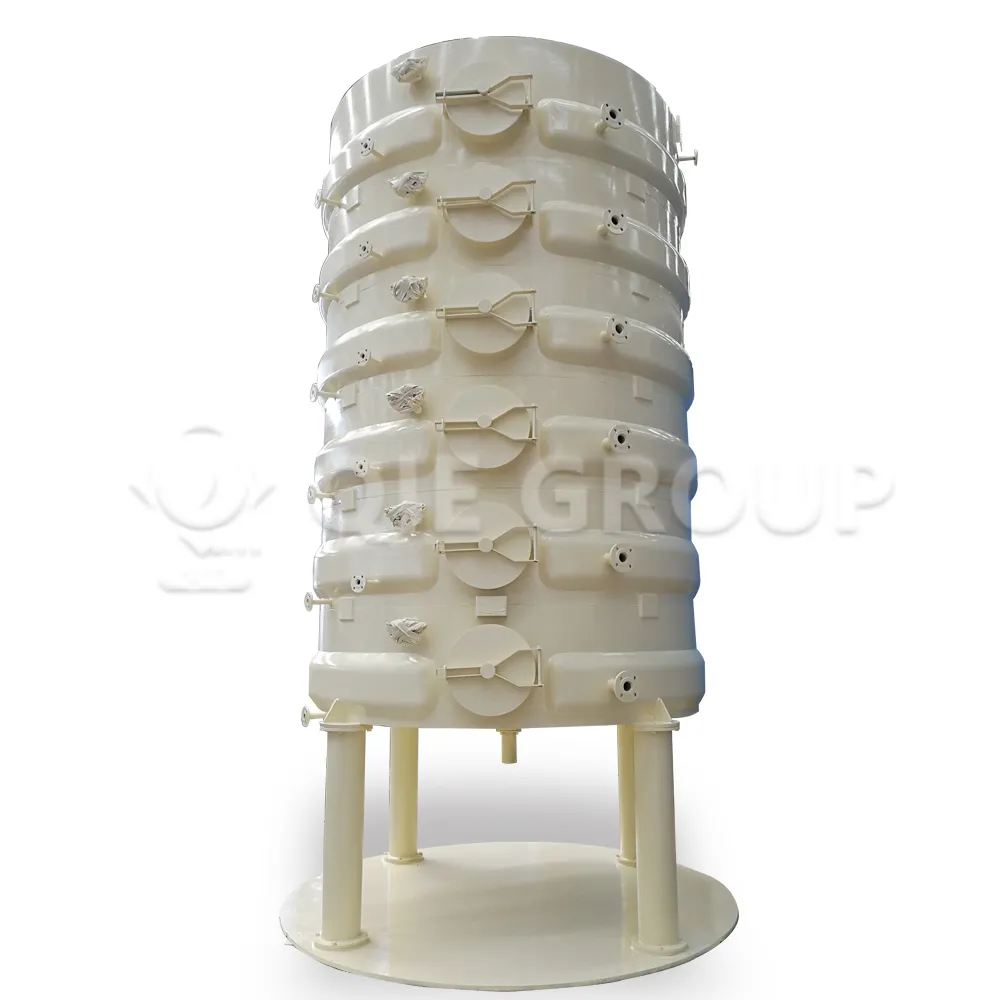
| Steamer | Heat treatment section | Adjusting moisture and temperature to improve pressing conditions | Temperature control, uniformity, cleaning frequency |
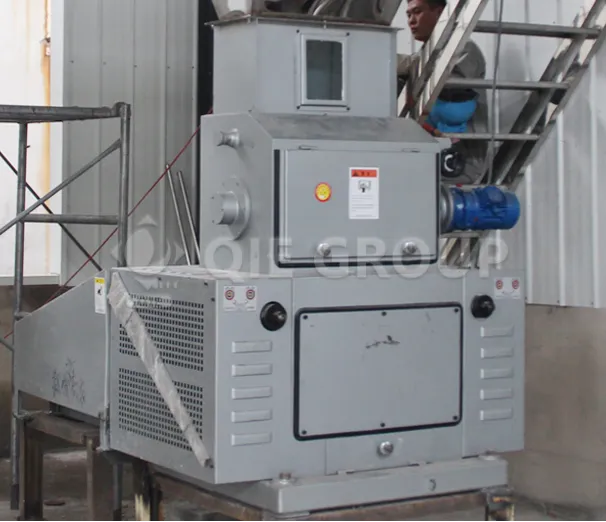
| pressing machine | Forming section | Pressing the material into thin sheets improves the efficiency of subsequent oil release. | Thin sheet uniformity, roller surface maintenance, upstream and downstream connection |
| Pre-press | Pre-pressing section | Suitable for the first pressing of high oil content materials | Pre-pressing capacity, cake output stability, and continuous operation performance |
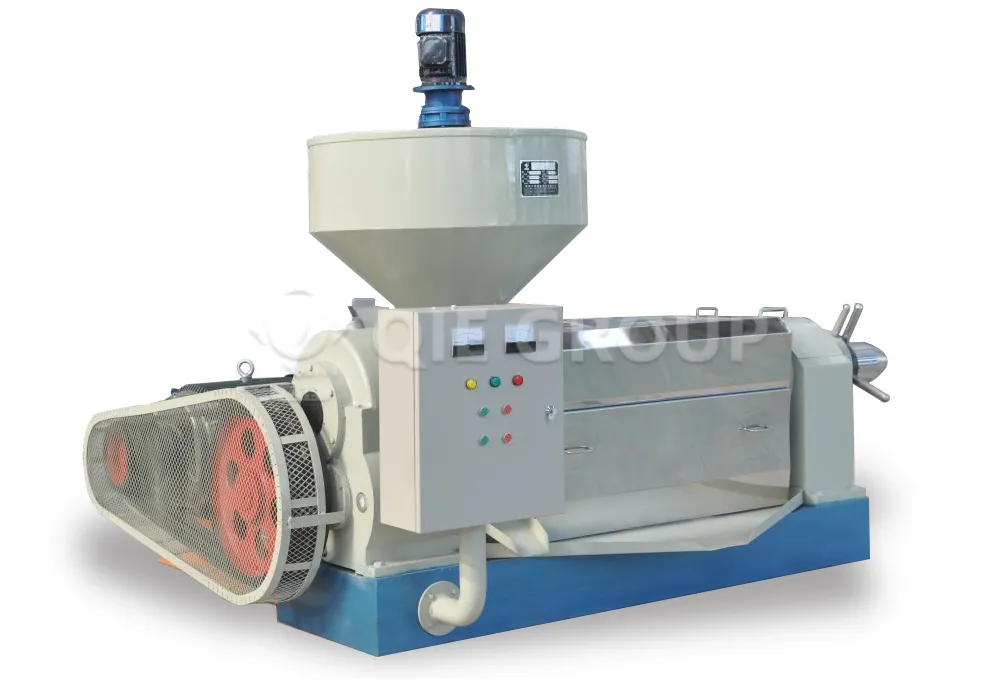
| Screw oil press | Main pressing section | Multi-stage pressing can be used for both hot and cold pressing. | Pressing stability, control method, and replacement cycle of vulnerable parts |
| Vertical blade filter | Filtering section | Removes coarse and fine residues from the oil, facilitating subsequent fine filtration. | Slag removal method, continuity, and maintenance of stainless steel screens |
When selecting a peanut oil production line, the most common mistake is equating the nominal capacity of a single machine with the overall line capacity. In reality, the overall line capacity depends on the weakest link , not the maximum value of any single core machine.
If you are comparing different peanut oil processing equipment solutions, it is recommended not to just ask "how many tons per hour does this oil press produce", but to further confirm the actual matching relationship under the condition of continuous operation of the entire line .
In the design of commercial peanut oil processing plants, site area assessments are often overly optimistic. If only equipment dimensions are considered before procurement, the following spaces are easily overlooked:
| Layout assessment project | Confirmation should be made before procurement | Typical risks that are ignored |
|---|---|---|
| Preprocessing area | Is there a continuous feeding and impurity removal space? | Raw material accumulation, poor feeding, and difficulties in dust management |
| Pressing area | Are maintenance and disassembly spaces reserved around the oil press? | Maintenance difficulties and increased downtime |
| Filtration and post-treatment area | Have you considered the connection between the filter, oil storage and filling machine? | Bottlenecks in the later stages and increased material handling |
| By-product management area | Is the cooling and storage of oil cakes independent? | Traffic congestion at the scene and inconvenience in handling hot pancakes |
Many procurement decisions focus only on the initial investment without adequately assessing subsequent maintenance. For peanut oil production lines, maintenance is not just about "fixing what breaks down," but a long-term issue concerning continuity, labor input, and spare parts management.
This is especially true for overseas customers. When selecting peanut oil processing equipment, priority should be given to solutions with clear structures, well-defined maintenance paths, and simple spare parts logic , rather than simply pursuing a stack of configurations.
The value of automated systems lies in improving consistency, reducing human error, and improving management efficiency, but only if they are matched to your project size, personnel structure, and budget.
This may lead to reliance on manual experience in the feeding, temperature control, pressing and filtering processes, resulting in batch fluctuations, misoperation, and increased management costs.
This could lead to excessive upfront investment, longer debugging cycles, increased training costs, and increased difficulty in on-site maintenance.
Instead of blindly pursuing overall complexity, focus on configuring automation around key control points such as continuous feeding, temperature control, main unit operation monitoring, and filter slag management.
The following questions are ideal to be raised directly during inquiries, technical discussions, or solution comparisons:
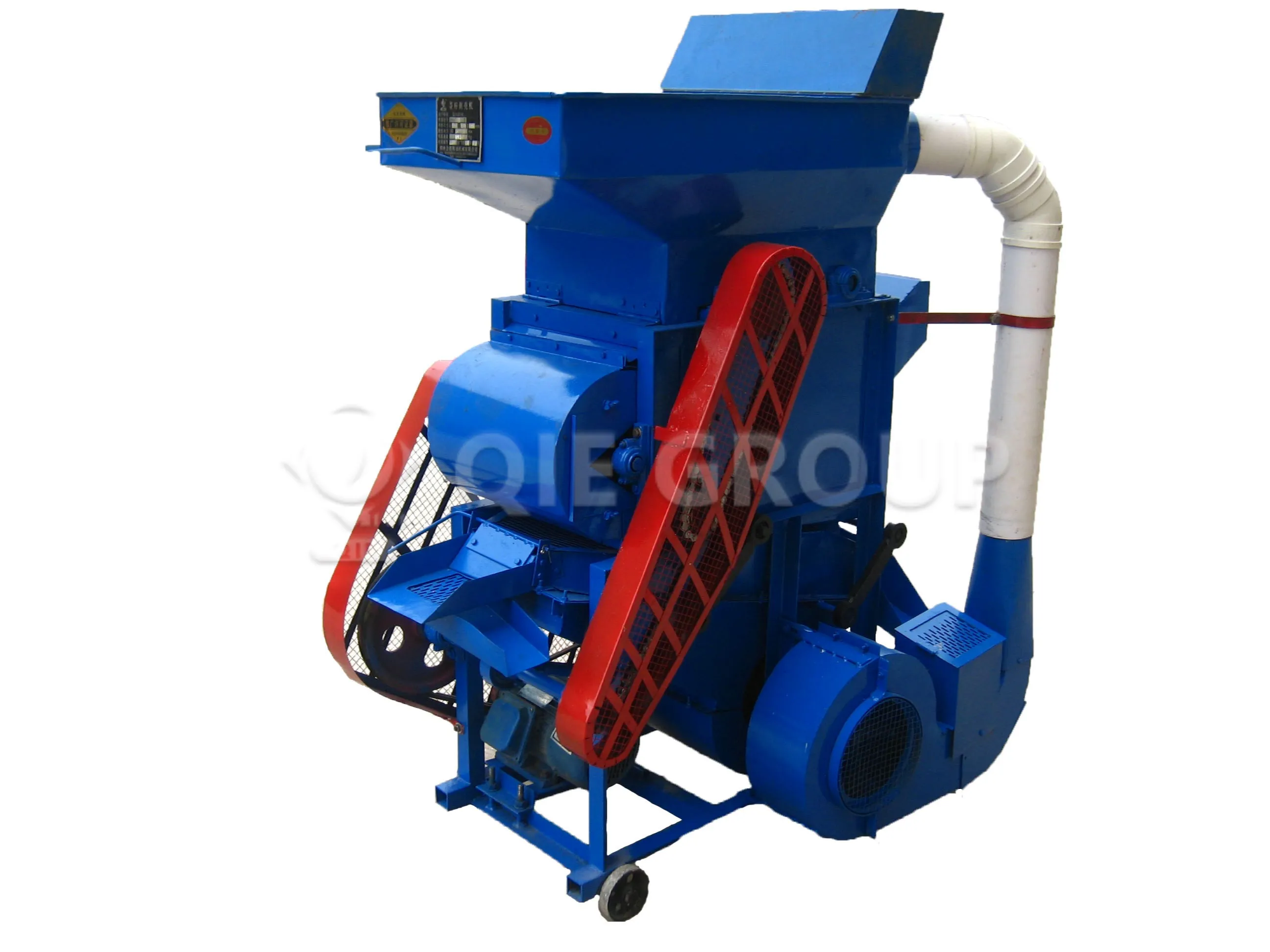
This equipment consists of a feed hopper, textured roller, concave plate, blower, gravity separator, and pneumatic conveyor. It features a compact structure, stable performance, durability, large throughput, low power consumption, and easy operation. Current data indicates a shelling rate of no less than 95%. When purchasing, the stability of the shelling process and the subsequent sorting effect should be the primary considerations.
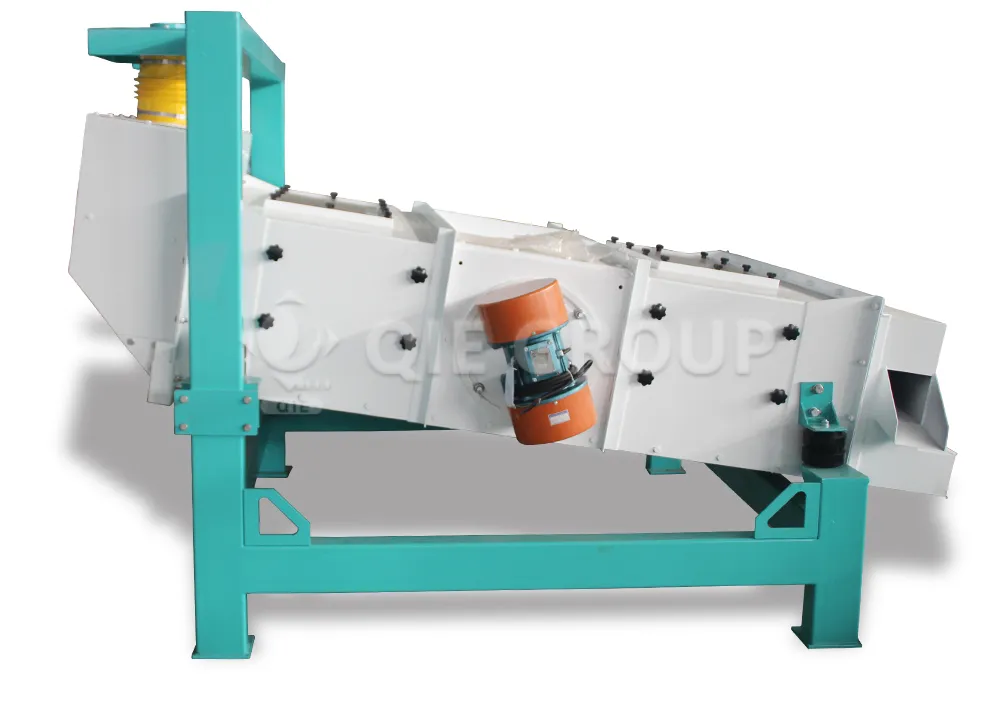
Used to remove impurities of all sizes, cleaning screens help maintain a good operating environment and production stability. For commercial peanut oil processing plants, while cleaning screens are not the "most expensive equipment," they are often a key factor determining the stability of the upstream process.
Non-powered magnetic separators are used to remove iron impurities. While their function may seem simple, they are crucial for protecting subsequent pressing and transmission components. When purchasing, it is recommended to confirm the cleaning method and ease of maintenance.
This step is used to remove adjacent stones and mud, reducing abnormal wear on equipment. It is especially crucial for projects with complex raw material sources or fluctuating impurities.
Peanuts are typically crushed into 4-8 pieces to ensure proper softening and steaming/roasting, allowing for more even distribution of temperature and moisture, which facilitates subsequent pressing. The key point here is not "the finer the better," but rather "whether the particle size is suitable for subsequent processing."
The steaming and roasting process is used to regulate the moisture and temperature of peanuts, bringing them to a state more suitable for pressing. The steaming and roasting effect directly affects the performance of subsequent pre-pressing and secondary pressing, so temperature control logic is an important part of the selection process.
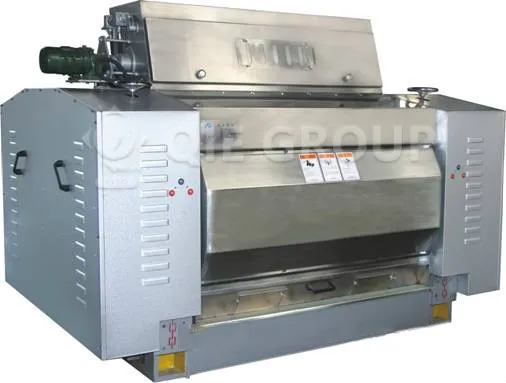
Preform pressing can prepare materials into thin sheets of approximately 0.3 mm. Information indicates that its purpose is to help subsequent processes release oils more fully. When purchasing, it is important to confirm the uniformity of the sheets and their compatibility with upstream and downstream equipment.
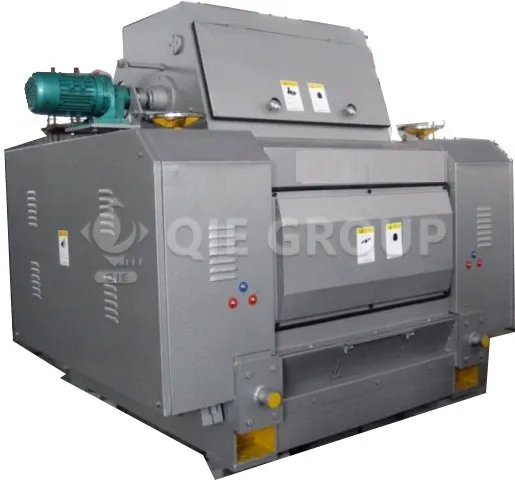
Screw pre-presses are suitable for various oilseed crops such as peanuts, rapeseed, soybeans, and sunflowers. They employ a strip-press process and are ideal for the initial pressing of high-oil-content materials. When purchasing, it is recommended to pay close attention to their connection with the secondary pressing and filtration sections.
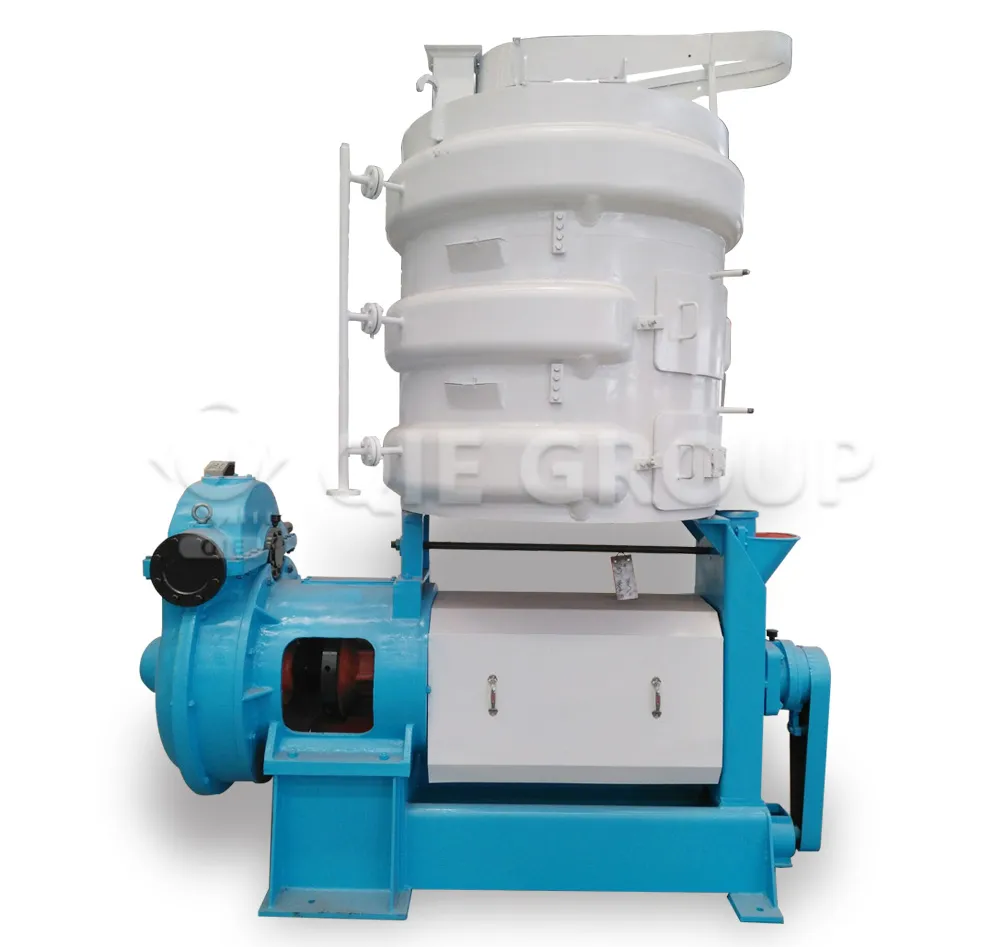
This machine can be used for various oilseeds such as peanuts, rapeseed, soybeans, and sunflowers. It adopts a combination of round bar pressing and is equipped with micro-electric control, infrared heating, and multi-stage pressing, allowing for both hot and cold pressing. For a peanut oil production line, the screw press is one of the core pieces of equipment, but its stable performance still depends on the quality of the pre-treatment process.
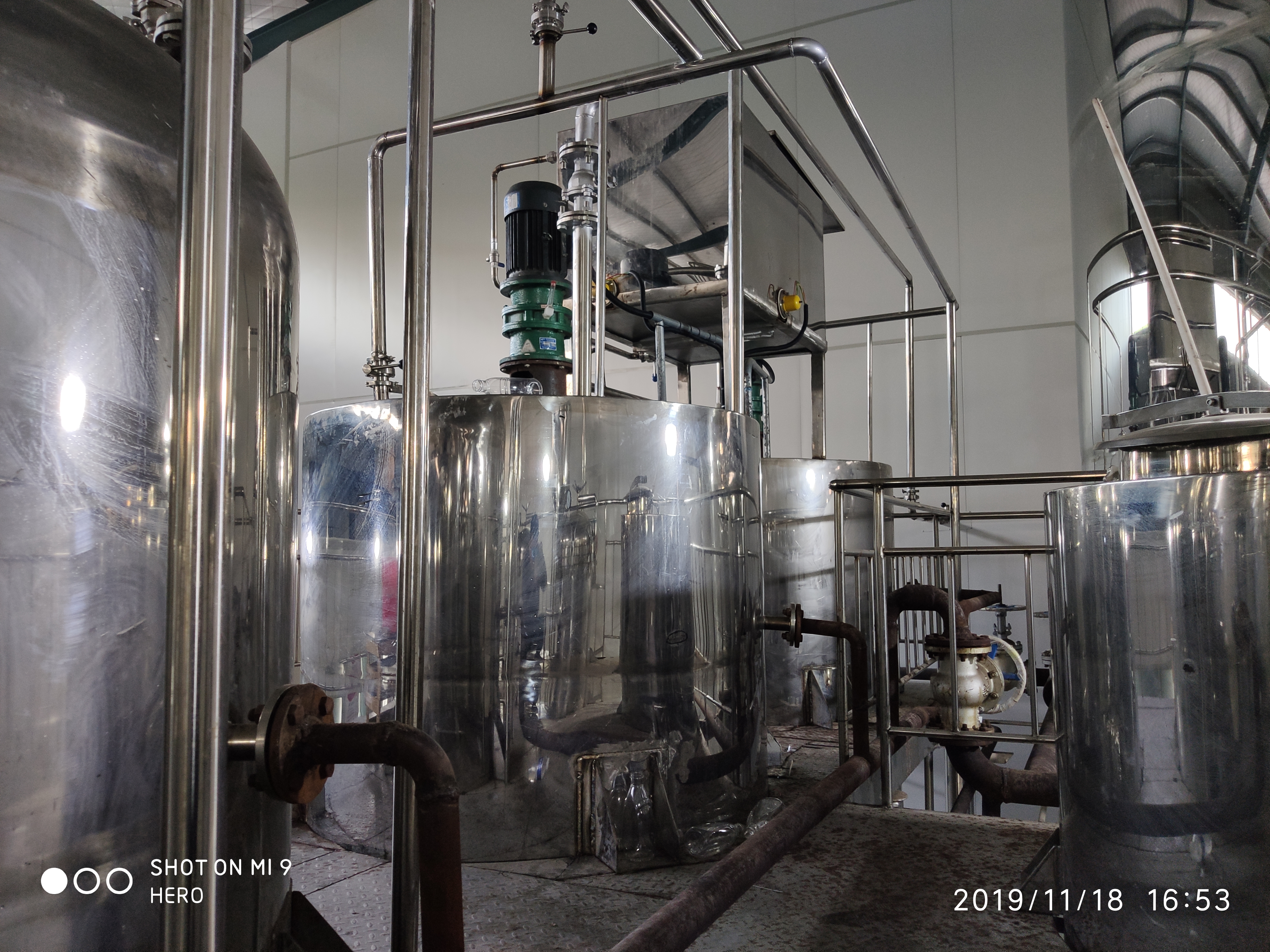
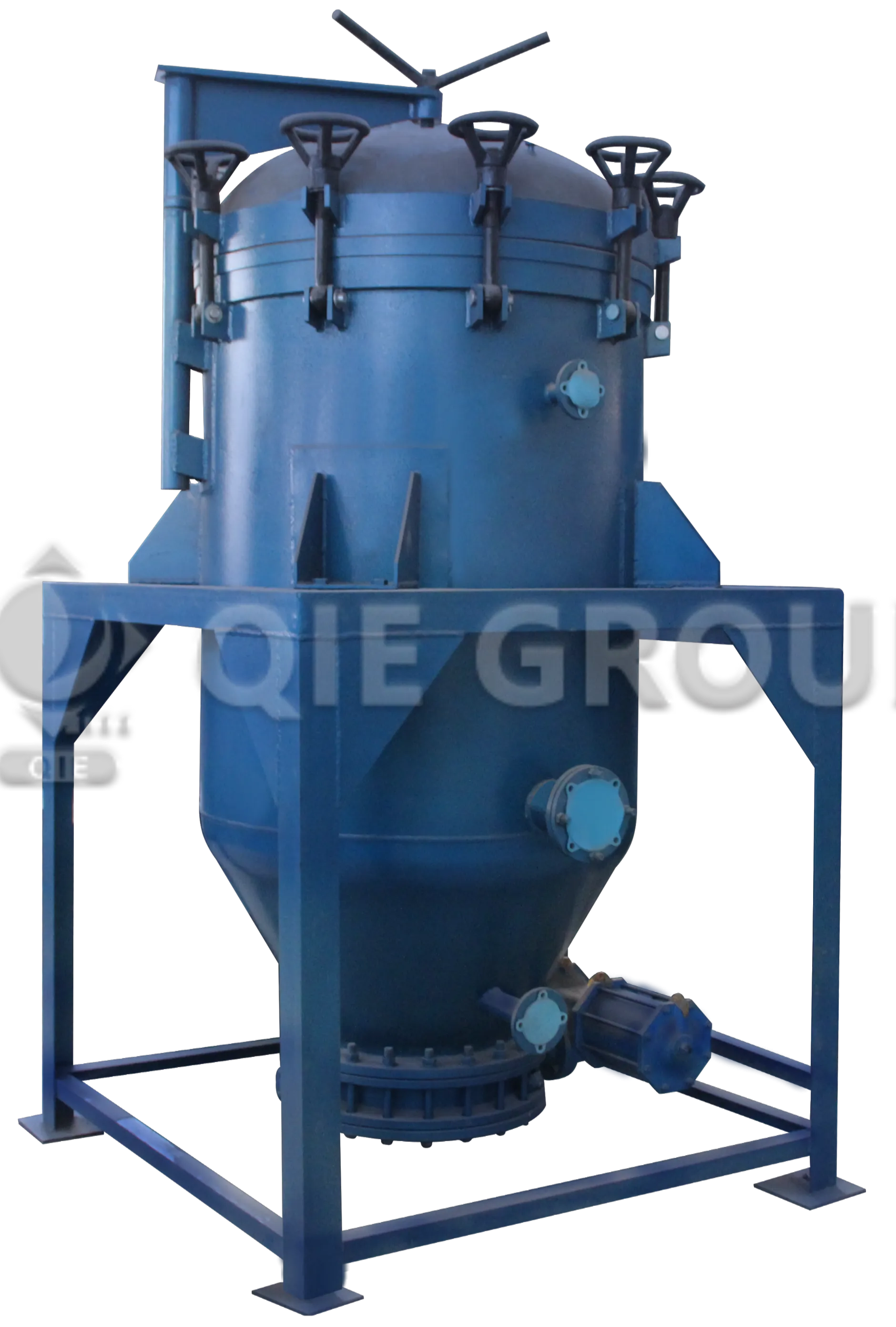
This is a high-efficiency filtration system that uses a thickened stainless steel mesh screen to remove coarse and fine residues from the oil. It features automatic residue discharge for subsequent fine filtration. The stability of the filtration system directly affects the cleanliness of the oil and the smoothness of downstream processing.
Confirm the condition of the raw materials, the level of impurities, whether they are shelled, and whether the target process is hot pressing or cold pressing.
Have the supplier explain whether the pretreatment, pressing, filtering and downstream processes match according to the overall production line logic.
Don't just look at the equipment dimensions; you should also evaluate the passageways, temporary storage areas, and expansion space.
Whether the installation, commissioning, training, and after-sales service are supported by the same supplier is related to the efficiency of project implementation.
For companies in the equipment selection and project decision-making stage, Zhengzhou QIE GROUP and Oil Machinery Co., Ltd. can provide communication on complete line solutions, from process configuration and equipment supply to installation, commissioning and after-sales support, to help purchasers more systematically determine whether the peanut oil production line truly meets the project needs.
Asking these questions clearly is often more valuable than simply comparing quotes, and it can also reduce the cost of rework and adjustments later in the project.
Typically, the equipment includes peanut shellers, cleaning screens, magnetic separators, gravity destoners, toothed roller crushers, steaming and frying pans, embryo presses, pre-presses, screw oil presses, and vertical blade filters. Depending on project requirements, it can also be connected to deacidification and drying, bottling, and by-product processing units.
Because a peanut oil production line is a complete system, if the upstream processes of cleaning, destoning, crushing, steaming, roasting, and pressing are not well-matched, the downstream screw press and filter will also have difficulty operating stably. Overall line matching is usually more important than individual machine parameters.
Many solutions only consider the dimensions of the equipment itself, without taking into account the space for feeding, conveying, maintenance channels, oil cake cooling, oil storage, and subsequent filling. As a result, the equipment can be installed, but its operation and maintenance are inconvenient.
Not necessarily. Automation should be configured in conjunction with project size, budget, and the capabilities of the operating team. Appropriate automation can improve stability, but overly complex systems can increase investment, debugging, and maintenance burdens.
Based on existing company information, QIE GROUP can provide R&D, design, production, installation, commissioning and after-sales services related to grain and oil machinery, and can provide process configuration, equipment supply and whole line solution communication support for peanut oil production lines.