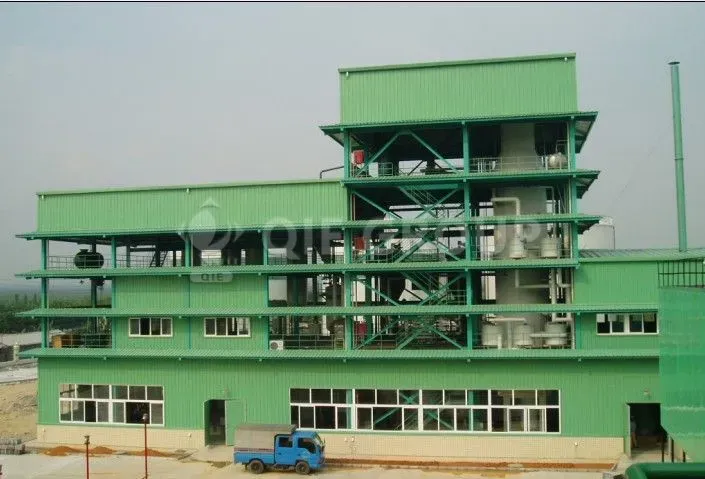
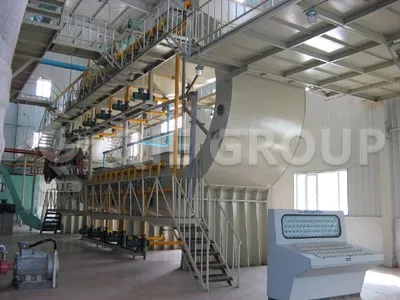
A peanut oil production line quote is typically not a simple sum of individual equipment prices, but rather a combination of components including peanut oil pretreatment equipment, peanut oil press equipment, filtration and conveying systems, electrical control configuration, installation and commissioning, transportation and packaging, and after-sales service. For new peanut oil processing plants, expansion projects of existing oil mills, or regional edible oil processing projects, clearly defining the included items in the quote helps purchasers more accurately compare different supplier proposals.
A typical peanut oil processing plant solution includes a peanut oil pretreatment machine and a peanut oil press, and is configured with cleaning, magnetic separation, destoning, crushing, pressing, steaming and roasting, pre-pressing, secondary pressing, filtration, oil storage, and electrical control units according to project requirements. Price differences between projects mainly stem from equipment specifications, automation levels, material selection, process completeness, and the scope of on-site services.
The following flowchart illustrates the equipment connection logic of a common peanut oil production line. Actual projects may require adjustments based on the condition of the peanut raw materials, the requirements for the finished oil, the plant layout, and the budget.
Peanut kernels → Cleaning → Magnetic separation → Destoning → Crushing → Pressing → Steaming and roasting → Pre-pressing → Steaming and roasting → Second pressing → Filtration → Deacidification and drying → Canning
Oil cake after secondary pressing → Oil cake cooling → Oil cake storage
In peanut oil production line quotations, the more complete the equipment configuration and the more detailed the process control, the greater the corresponding increase in the number of equipment, manufacturing costs, installation workload, and commissioning time. When comparing peanut oil production line prices, purchasers should focus on confirming whether each piece of equipment is included in the quotation and whether the equipment specifications match the target capacity.
| Equipment Name | Main function | Points affecting the price |
|---|---|---|
| Peanut sheller | It consists of a feed hopper, a textured roller, a shed plate, a blower, a gravity sorting screen, and a pneumatic conveyor, and is used for peanut shelling. | The processing capacity, peeling effect, structural configuration, and supporting conveying methods will affect the price. |
| Cleaning screen | Remove impurities of all sizes, improve the operating environment, and enhance production stability. | Different screen specifications, vibration methods, processing capacity, and impurity removal requirements require different configurations. |
| Magnetic separator | Remove iron impurities to reduce the risk of wear and tear on subsequent equipment. | Whether to configure, the installation location, and the magnetic separation method will affect the overall solution. |
| Gravity destoner | Remove heavy impurities such as side stones and side mud. | The more complex the impurities in the raw materials, the higher the requirements for destoning equipment. |
| Toothed Roller Crusher | Peanuts should be crushed evenly, usually into 4-8 pieces, to facilitate softening, steaming, roasting, and pressing. | Crushing uniformity, roller configuration, and capacity matching all affect costs. |
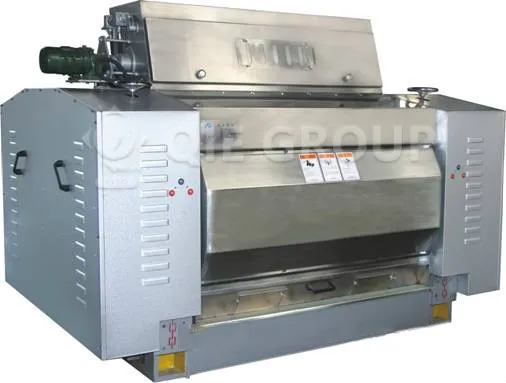
| pressing machine | Pressing the material into thin sheets facilitates the subsequent release of oils; it also helps improve extraction efficiency when used in conjunction with leaching processes. | Roller width, roll pressure stability, and automatic adjustment requirements will affect the price. |
| Steamer | Adjust the moisture and temperature of the peanuts to bring the material to a suitable state for pressing. | The number of floors, heating method, temperature control requirements, and energy consumption configuration are important factors in pricing. |
| Screw pre-press | Suitable for the first pressing of high-oil-content materials, it can be used for oilseeds such as peanuts, rapeseed, soybeans, and sunflowers. | Whether or not a pre-pressing process is adopted will affect the number of equipment and the investment in the production line. |
| Screw oil press | Used for peanut oil press, it can be configured for hot pressing or cold pressing according to process requirements. | The model of the machine, the number of pressing stages, and the configuration of heating and electrical control will affect the price. |
| Vertical blade filter | Thick stainless steel mesh screen is used to remove coarse and fine residues from the oil, and it can automatically discharge residues, which facilitates subsequent fine filtration. | The filtration area, material, automatic slag removal requirements, and continuous operation capability will affect the price. |
Whether peanuts are brought to the factory with their shells or as peanut kernels affects their impurity content, moisture content, and kernel integrity, which determines whether shelling, stone removal, enhanced cleaning, or additional temporary storage is necessary.
Daily throughput, continuous operating time, and future expansion plans will affect equipment models, conveying system specifications, storage capacity, and electrical control schemes.
The requirements for steaming, pressing, filtering, and temperature control equipment differ depending on whether the pressing is a single-stage pressing, pre-pressing plus secondary pressing, or hot or cold pressing process.
Automatic conveying, centralized electrical control, temperature control, automatic slag discharge, and linkage control can reduce the intensity of manual operation, but will increase the cost of electrical control and related equipment.
The height of the factory building, the ground foundation, the power supply, the steam or heating conditions, and the layout space will all affect the installation method and the commissioning cycle.
Export projects also need to consider packaging methods, container loading, sea transport conditions, destination port requirements, and local customs clearance documentation.
To obtain a more accurate quote for a peanut oil production line, it is recommended that purchasers prepare the following information before requesting a quote. The more complete the information, the easier it will be for suppliers to determine the equipment model, process range, and installation service requirements.
| Inspection items | Recommended Confirmation Content | Purchasing significance |
|---|---|---|
| Equipment list | Does it list shelling machines, cleaning screens, magnetic separators, destoners, crushers, steaming and frying pans, oil presses, filters, etc.? | Avoid only looking at the total price without being able to judge the completeness of the configuration. |
| Process range | Does the quote cover pretreatment, pressing, filtration, conveying, oil storage, and electrical control? | This facilitates comparison of whether different solutions fall within the same scope. |
| Installation and debugging | Does it include installation guidance, commissioning services, operation training, and on-site condition requirements? | It affects the project's implementation cycle and subsequent operational stability. |
| Transport packaging | Does it specify the packaging method, container loading plan, destination transportation responsibility, and trade terms? | Foreign trade projects especially need to confirm logistics boundaries in advance. |
| After-sales service and spare parts | Does it provide recommendations for easily damaged parts, methods of technical support, and after-sales service instructions? | Help customers assess long-term usage costs, rather than just focusing on the initial purchase price. |
As a B2B equipment supplier for grain and oil machinery, Zhengzhou QIE GROUP and Oil Machinery Co., Ltd. can provide equipment selection, process design, manufacturing, installation, commissioning, and after-sales service for peanut oil production line projects. For customers in markets such as Asia, Africa, and South America, project communication usually needs to consider equipment configuration, transportation conditions, local energy supply, and ease of maintenance.
If you are evaluating an investment in peanut oil processing equipment, please provide us with information on raw materials, production capacity, plant space, and target products. We will assist in confirming the equipment list based on project requirements and explain the main costs included in the quotation.
The pricing of a peanut oil production line requires a comprehensive assessment considering equipment, technology, site conditions, and services. A clear equipment list, well-defined installation and commissioning boundaries, and actionable after-sales support often reflect the project's value more effectively than simply offering the lowest price. Zhengzhou QIE GROUP and Oil Machinery Co., Ltd. can assist in streamlining the configuration of pretreatment, pressing, filtration, and auxiliary systems based on your peanut oil processing project needs, making procurement decisions clearer and easier to implement.