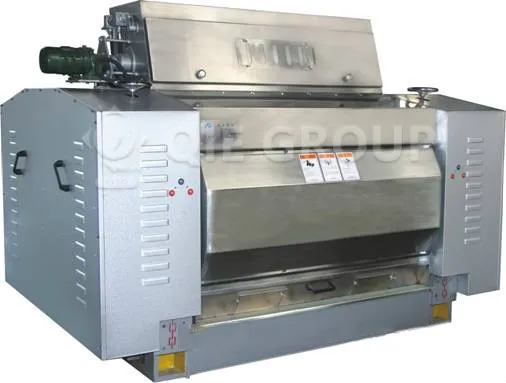
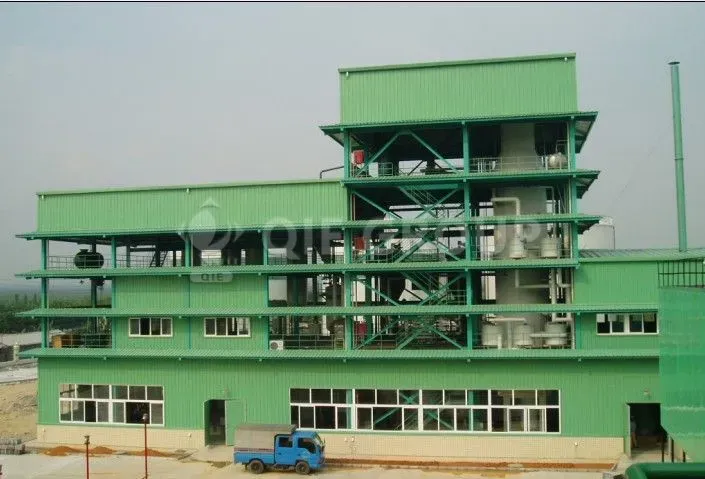
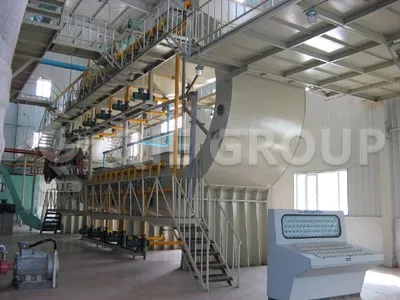
A peanut oil production line is not a simple purchase of a single machine, but a complete system solution that may include peanut oil pretreatment equipment, peanut oil press machines, and possibly extraction, refining, filtration, packaging, and utility support systems. Different customers have different capacities, oil quality targets, plant conditions, energy prices, automation requirements, and installation locations, so the final equipment configuration and project cost can vary significantly.
| Information to Prepare | Recommended Details | Impact on Peanut Oil Production Line Price |
|---|---|---|
| Planned Capacity | The daily or hourly quantity of peanut raw material to be processed, and whether expansion capacity needs to be reserved. | Determines the specifications of cleaning, crushing, steaming, pressing, extraction, and refining equipment. |
| Raw Material Conditions | Peanut oil content, moisture content, impurity level, whether the peanuts are shelled, and raw material consistency. | Affects the configuration of the cleaning screen, destoner, magnetic separator, crusher, and cooking kettle. |
| Target Oil Product | Fragrant peanut oil, cold-pressed oil, grade 1 refined oil, or products for foodservice, home cooking, or food industry markets. | Determines whether high-temperature steaming and cooking, cold pressing, pre-pressing, extraction, or full refining process should be adopted. |
| Process Route | A small-capacity fragrant pressing process, or a large-capacity integrated pre-pressing, extraction, and refining process. | Directly affects equipment quantity, workshop safety requirements, energy consumption, and overall investment. |
| Plant and Energy Conditions | Workshop area, height, layout, water, electricity and steam supply, fuel type, and local energy costs. | Affects equipment layout, utility systems, heat utilization plans, and installation cost. |
| Automation Requirements | Manual, semi-automatic, or continuous control, and whether automatic temperature control, centralized control, and data monitoring are required. | Affects the electrical control system, instrumentation configuration, number of operators, and operational stability. |
| Installation Location and Budget Range | The project country or region, port conditions, local installation resources, and target budget range. | Affects transportation, installation and commissioning, service arrangements, and quotation efficiency. |
Suitable for projects that aim to highlight the aroma, color, and flavor characteristics of peanut oil. A typical process is: raw material intake → cleaning → crushing → high-temperature steaming and cooking (about 150°C) → pressing by a screw oil press or small press → cold filtration or coarse filtration → light degumming → filling or packaging.
Suitable for projects pursuing higher overall oil yield and large-scale production efficiency. A typical process is: cleaning → crushing → roasting (adjustable at about 120°C) → pre-pressing → extraction → mixed oil desolventizing → crude oil → refining → finished oil packaging.

| Section | Main Task | Typical Equipment | Quotation Focus |
|---|---|---|---|
| Pretreatment Section | Remove impurities, adjust moisture and temperature, improve peanut cell structure, and create conditions for pressing or extraction. | High-efficiency cleaning screen, destoner, magnetic separator, crusher, cooking kettle. | Raw material impurities, steaming and cooking temperature range, crushing uniformity, and whether cold pressing is supported. |
| Pressing Section | Extract oil through mechanical pressure to obtain crude oil and peanut cake meal. | Dedicated screw oil press, hydraulic oil press, large screw pre-press. | Hot pressing, cold pressing, or pre-pressing mode, automatic temperature control, smooth oil discharge, and wear part maintenance. |
| Extraction Section | Deep extract residual oil from pre-pressed cake to improve overall oil yield. | Loop extractor, drag chain extractor, rotary extractor, DTDC desolventizer, full negative-pressure evaporation system. | Sealed negative-pressure system, solvent recovery, safety and environmental protection configuration, and workshop management capability. |
| Refining Section | Remove gum, free fatty acids, pigments, odors, and other impurities to improve finished oil stability. | Degumming centrifuge, vacuum deacidification tower, decolorization tower, high-efficiency filter, vacuum deodorization tower. | Batch or continuous configuration, target oil grade, refining loss, and vacuum and steam systems. |
| Comparison Item | Fragrant Pressing Process | Pre-Pressing and Extraction Process |
|---|---|---|
| Product Positioning | Peanut oil with prominent flavor, rich aroma, and a deeper color. | Refined oil with a milder flavor and clearer color, suitable for large-scale sales. |
| Core Value | Preserves natural aroma and flavor differentiation. | Improves overall oil yield and production efficiency. |
| Equipment Investment | Usually has a relatively simple equipment configuration, but higher requirements for steaming and pressing control. | Requires additional extraction, solvent recovery, refining, and safety/environmental protection systems, resulting in higher overall investment. |
| Key Control Points | Roasting temperature, pressing temperature, aroma retention; fragrant oil is generally not recommended to pass through a deodorization tower. | Residual oil control in pre-pressed cake, extraction safety, solvent recovery, and full refining loss control. |
| Suitable Customers | Customers who want to build a flavor-based brand, a regional specialty oil product, or a premium bottled oil project. | Customers who want to build a large-scale oil plant and pursue stable capacity and overall economic benefits. |

The following indicators are usually related to project scale, raw material conditions, equipment configuration, operation management, and process route, and are suitable as a reference for technical communication. The actual solution must be confirmed according to the customer’s project conditions.
Please provide your capacity, target oil product, process preference, installation location, and budget range. The QIE team can help you communicate more efficiently based on the requirements for peanut oil pretreatment equipment, peanut oil press machines, extraction, and refining sections.
You can provide your budget range first, but a precise quotation usually cannot be made based on budget alone. It is recommended to also provide capacity, raw material conditions, target oil product, process route, installation location, and automation requirements. The more complete the information, the closer the equipment configuration and quotation will be to the actual project.
Not necessarily. Fragrant peanut oil usually emphasizes aroma retention and can use cold filtration, natural settling, or light degumming. It is generally not recommended to pass through a deodorization tower, because deodorization will remove aromatic components. Whether refining equipment should be included depends on the target product, local standards, and market positioning.
Both can be used for peanut oil press. A screw oil press is suitable for continuous pressing and more stable production, while a hydraulic oil press is suitable for small batches, flavor-focused projects, or special processes. The final choice should be based on capacity, oil product positioning, labor cost, and operating habits.
The pre-pressing and extraction process first uses a large screw pre-press to extract part of the oil, and then performs solvent extraction on the pre-pressed cake to improve the overall oil yield, making it suitable for large-scale production. However, this process requires extractors, a DTDC desolventizer, solvent recovery, refining, and safety/environmental protection systems, so the investment and management requirements are higher.
QIE GROUP provides R&D, design, manufacturing, installation, commissioning, and after-sales service support for grain and oil processing equipment. For peanut oil projects, we can discuss pretreatment, pressing, extraction, and refining configurations according to customer requirements and provide a solution suited to the project conditions.