For B2B buyers planning to build or upgrade a peanut oil processing plant, the price of a peanut oil production line is determined by more than the quote for a single peanut oil press. The process route matters more: choosing a rich-flavored pressing process or a pre-pressing solvent extraction process will directly affect equipment configuration, plant layout, refining requirements, operating management, and long-term economic performance.
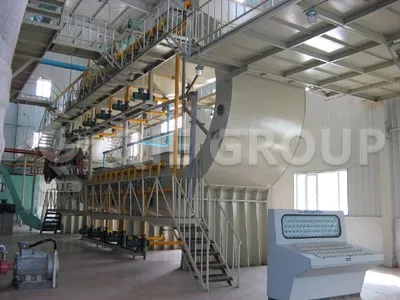
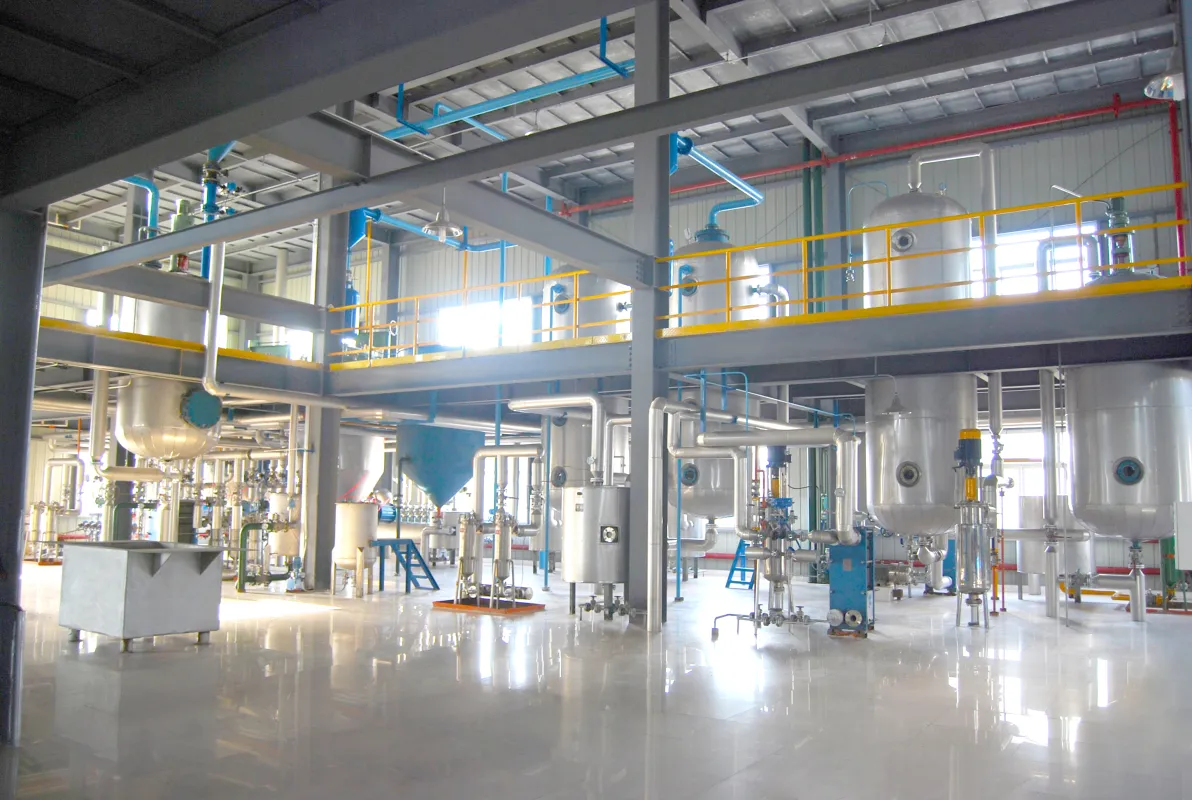
A standard peanut oil processing plant typically includes peanut oil pre-treatment equipment and a peanut oil press. The pre-treatment stage improves the condition of peanut kernels and reduces the impact of impurities on equipment and oil quality, while the pressing stage extracts the oil. Depending on the project goals, filtration, deacidification and drying, filling, solvent extraction, or refining equipment can also be added.
Peanut sheller, cleaning sieve, magnetic separator, specific gravity destoner, toothed roller crusher, flaking machine, cooking kettle, and more.
Screw pre-press, screw oil press, and other machines suitable for peanut, rapeseed, soybean, sunflower seed, and other vegetable oilseeds.
Vertical leaf filter, deacidification and drying equipment, oil storage tanks, filling systems, and refining equipment configured as required.
Procurement Tip: When comparing peanut oil production line prices, first confirm the process route, raw material condition, target capacity, finished oil positioning, and local environmental and safety requirements before comparing equipment configurations. Comparing only the price of a single machine can easily overlook downstream operating costs and supporting project costs.
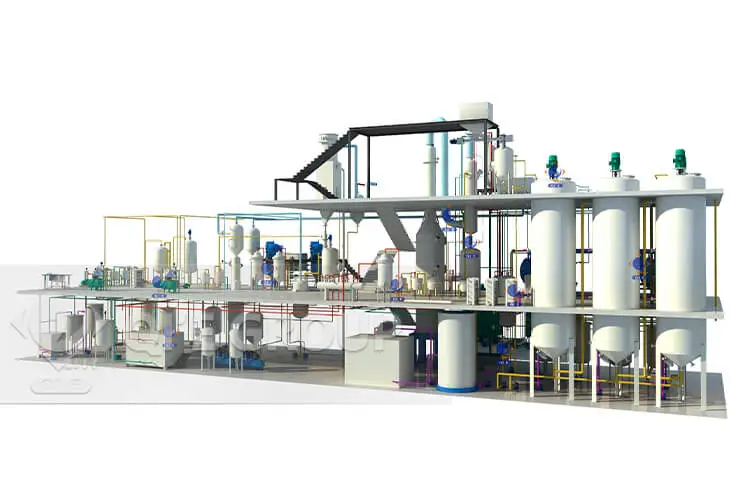
The basic process of a peanut oil production line can be adjusted according to the customer’s product positioning. A common flow can be understood as a continuous process from raw material cleaning, crushing, flaking, and cooking to pressing, filtration, and post-treatment.
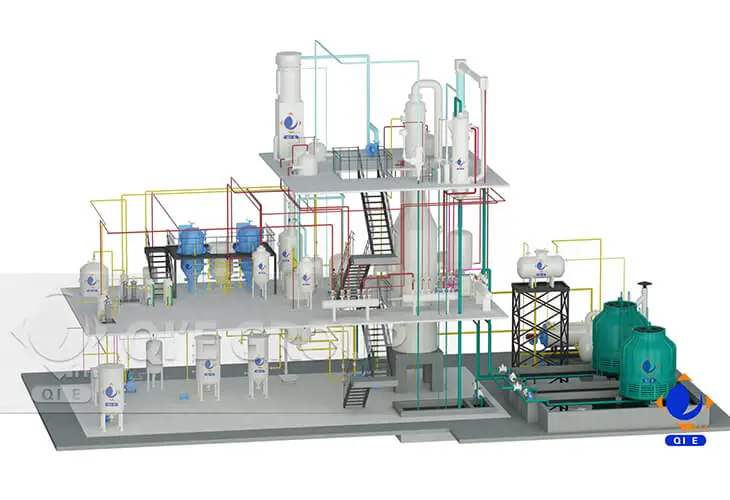
In some projects, the oil cake after the second pressing enters cake cooling and cake storage; if a pre-pressing solvent extraction process is used, solvent extraction, solvent recovery, meal handling, and subsequent refining must also be considered.
The rich-flavored pressing process typically focuses more on peanut oil aroma, raw material pre-treatment stability, and mechanical pressing performance. It relies on key stages such as cleaning, crushing, cooking, pressing, and filtration to ensure the peanuts enter the peanut oil press at the right temperature and moisture level.
Cleaning sieves, magnetic separators, specific gravity destoners, and toothed roller crushers help reduce the impact of impurities, ferrous matter, and stones on downstream equipment. A more complete pre-treatment configuration usually means higher initial investment, but it improves production stability.
The cooking kettle adjusts the moisture and temperature of the peanuts so the material is better suited for pressing. If the customer has higher requirements for rich flavor and continuous production stability, matching between the cooking system and pressing system becomes a key part of the quotation.
A vertical leaf filter removes coarse and fine residues from the oil, making subsequent fine filtration or filling easier. If the finished oil is intended for direct sale, filtration accuracy, storage, and packaging should also be considered.
The pre-pressing solvent extraction process is generally suited to more continuous and large-scale oil processing requirements. The logic is to reduce the oil content through pre-treatment and pre-pressing first, then further extract oil through the solvent extraction system. Compared with a pure pressing route, this solution requires more process sections and also demands more from installation, commissioning, safety management, and operators.
When purchasing peanut oil processing equipment, buyers are advised to confirm each machine’s function item by item rather than focusing only on the equipment name. The following equipment directly affects production stability, oil quality, and price structure.
| Equipment Name | Main Function | Procurement Considerations |
|---|---|---|
| Peanut Sheller | Consists of a feed hopper, ribbed roller, concave screen, fan, specific gravity sorting sieve, and air conveyor, used for peanut shelling. | Compact structure, processing capacity, power consumption, ease of operation, and shelling rate requirements. |
| Cleaning Sieve | Removes large and small impurities, improving the operating environment and production stability. | Should match the impurity level of the raw material, production capacity, and on-site dust removal requirements. |
| Magnetic Separator | Removes ferrous impurities and reduces the impact of metal contaminants on downstream equipment. | Installation position, cleaning convenience, and connection with the conveying system. |
| Specific Gravity Destoner | Removes stones and heavy impurities such as mud and similar-density materials. | Suction structure, destoning performance, air volume configuration, and maintenance convenience. |
| Toothed Roller Crusher | Crushes peanuts evenly to facilitate softening, cooking, and subsequent pressing. | Uniformity of crushing particle size, roller surface durability, and matching with the cooking section. |
| Flaking Machine | Flattens the material into thin flakes, increasing contact area and processing efficiency in subsequent stages. | Flake thickness control, roll gap adjustment, and continuous operation stability. |
| Cooking Kettle | Adjusts peanut moisture and temperature to bring the material into a suitable pressing condition. | Temperature control, material retention time, energy consumption, and aroma target. |
| Screw Pre-press / Screw Oil Press | Performs pre-pressing or second pressing and can be used for various vegetable oilseeds. | Capacity, hot pressing or cold pressing requirements, automatic control, wearing parts, and maintenance costs. |
| Vertical Leaf Filter | Removes coarse and fine residues from the oil, can discharge residue automatically, and facilitates fine filtration. | Filtration area, material, residue discharge method, and connection with the oil storage system. |
To obtain a practical quotation for peanut oil processing equipment, it is recommended to provide the supplier with the following information: raw material type and condition, planned daily capacity, target oil product type, whether refining is required, local voltage and fuel conditions, plant dimensions, automation requirements, and budget range.
Zhengzhou QIE Grain and Oil Machinery Co., Ltd. can discuss rich-flavored pressing processes, pre-pressing solvent extraction processes, and the configuration of related peanut oil pre-treatment equipment and peanut oil presses according to project requirements, helping buyers make a more reasonable economic evaluation from the perspectives of equipment investment, operating costs, and market goals.