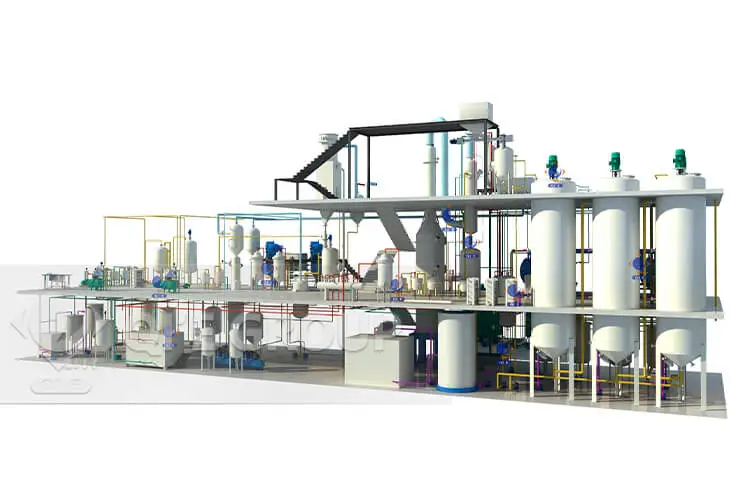
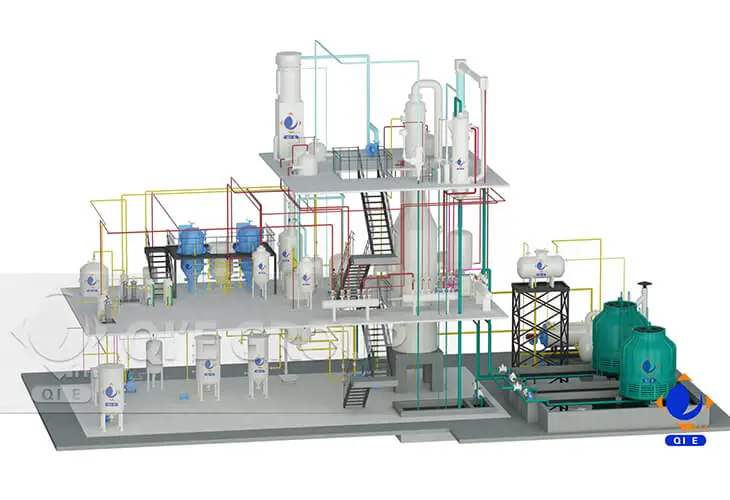
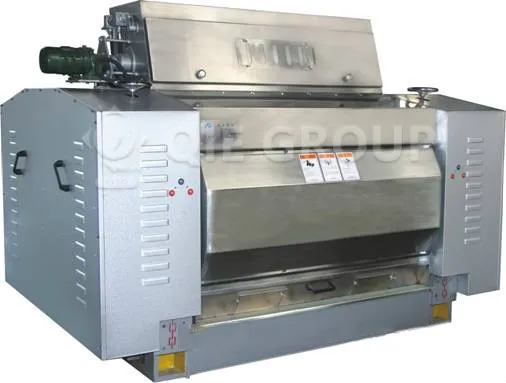
Peanut oil is one of the most widely used edible oils in the global food industry due to its unique taste and health benefits. With continuously growing market demand, many companies are seeking suitable peanut oil production lines to meet production needs of varying scales and types. However, choosing the right oil production line, considering both output and cost-effectiveness, often leaves many businesses perplexed. QIE Group will provide you with detailed guidance on how to select the right peanut oil production line for your factory, helping you make informed decisions among numerous options.
When selecting a peanut oil production line, the primary considerations are production scale and market demand. Different production lines are suitable for factories of different sizes, so it is essential to first clarify the required output:
Small-scale peanut oil production lines are suitable for small and medium-sized enterprises or local markets. They typically have lower investment costs and are suitable for small-scale production with a daily peanut processing capacity of 500 kg to 1000 kg. This type of production line is suitable for small, newly established oil mills or markets with lower production demands.
Large-scale peanut oil production lines are more suitable for large oil mills or companies planning to expand. These lines typically process several to tens of tons of peanut raw materials per day, supporting efficient and continuous production to meet international market demands. Although the initial investment is higher, their high degree of automation and large-scale production bring greater benefits.
The production process of peanut oil includes steps such as pressing, solvent extraction, and refining. Different production processes will affect the choice of production line.
Cold pressing vs. hot pressing : For small-scale peanut oil production lines, cold pressing is often used to preserve the natural aroma and nutrients of peanut oil. Hot pressing is suitable for companies that want to increase oil yield and production efficiency, especially large-scale production lines.
Solvent extraction : For large-scale production lines, solvent extraction is a common choice. It can improve the extraction rate of oils and is suitable for large-scale, efficient oil production.
Refining process : Refining is essential for both small and large peanut oil production lines. Refining removes impurities, off-odors, and unwanted pigments from the oil, ensuring the quality of the final product.
When choosing a suitable peanut oil production line, ensure that the production process aligns with your product positioning and market demands. If the goal is to produce high-quality, healthy peanut oil, you may need to select a production line that includes refining and deodorization equipment.
Highly automated production lines can effectively improve production efficiency, reduce labor costs, and ensure product stability and quality. A suitable oil production line should have an automatic control system capable of monitoring each production stage in real time to ensure the normal operation of the equipment.
Small-scale peanut oil production lines typically have a low level of automation, making them suitable for factories with a high degree of manual intervention. These lines are relatively economical and suitable for companies with tight budgets.
Large-scale peanut oil production lines are equipped with highly efficient automated equipment, such as automatic presses, filtration systems, and refining equipment. Although the initial investment is large, highly automated production lines can significantly improve production efficiency, reduce manual intervention, and lower operational risks.
For most businesses, investment cost and payback period are important considerations when choosing a production line. When selecting a peanut oil production line , a comprehensive evaluation based on the company's budget and production goals is necessary.
Small-scale peanut oil production lines have relatively low investment costs, making them suitable for startups or factories with limited funds. Due to their smaller production scale and shorter payback period, they are ideal for achieving profitability quickly.
Large-scale peanut oil production lines have high investment costs. Although the initial investment is large, the long-term returns are relatively good due to high production efficiency and stable product quality. Large-scale production lines can provide relatively stable production capacity and product output , and can rapidly expand production scale to meet market demand.
When selecting a peanut oil production line, equipment quality is paramount. High-quality equipment improves production efficiency, extends service life, and reduces maintenance costs. Furthermore, excellent after-sales service is also a key factor in ensuring the smooth operation of the production line.
Choosing production line equipment from well-known brands, especially industry leaders like QIE Group , ensures high-quality equipment and comprehensive after-sales support. QIE Group's peanut oil production lines not only offer advanced technical support but also can be customized to meet specific customer needs, ensuring optimal performance in both stability and efficiency.
A suitable peanut oil production line should possess a certain degree of flexibility to adapt to changes in different market demands. For example, you may need to adjust the production scale or product type based on changes in market demand for peanut oil. This requires the production line to have a certain degree of scalability and adjustability.
For companies engaged in multinational trade and export markets, choosing a suitable oil production line requires considering not only current demand but also anticipating future development trends and market changes. Selecting a flexible production line can help companies gain a competitive edge in the fierce market competition.
If you still have questions about choosing a peanut oil production line , or would like to learn more about equipment pricing, production processes, and technical support, please contact our QIE Group . We will provide you with professional advice and customized solutions to help you find the most suitable peanut oil production line and ensure your factory succeeds in a competitive market.