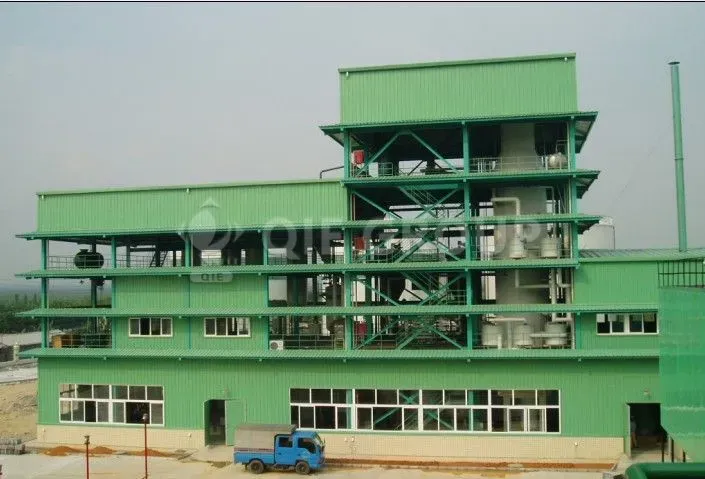
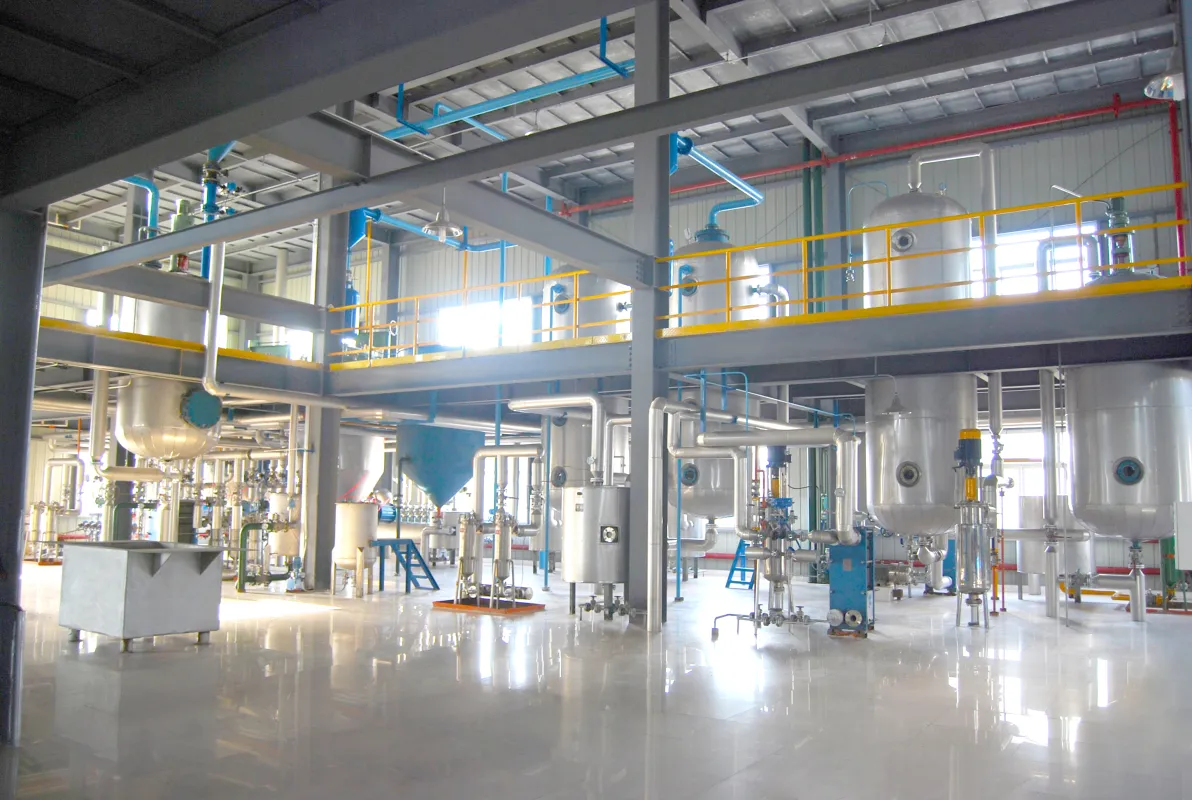
Daily output and capacity analysis of small-scale peanut oil production lines
Small-scale peanut oil production lines are typically suitable for small businesses, family workshops, or to meet small-scale market demand in a specific region. The daily output of these lines is generally between 1 and 10 tons.
Core equipment components of a small-scale peanut oil production line
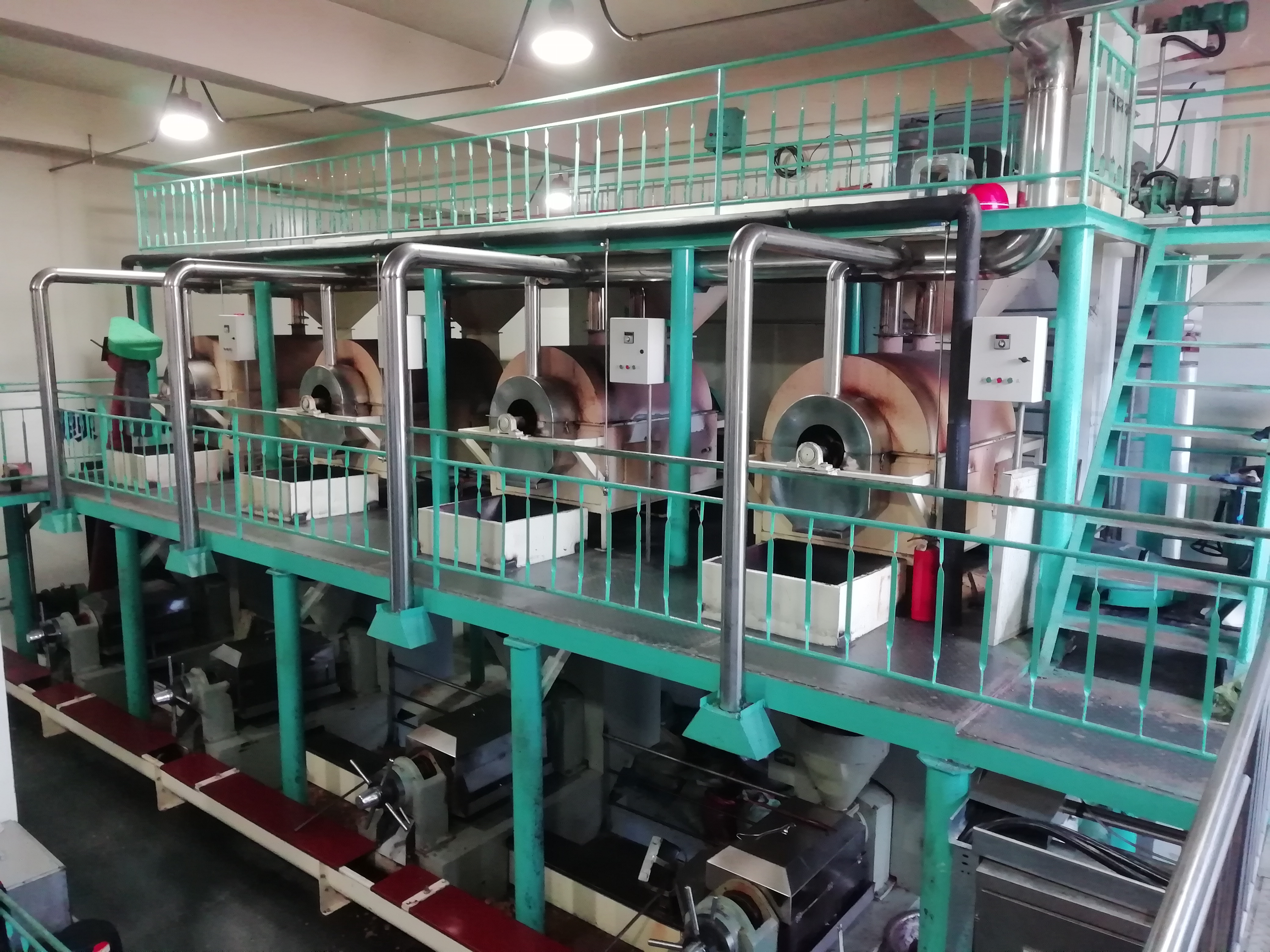
The core equipment of a small production line includes cleaning equipment (such as vibrating screens and destoners), crushing equipment (toothed roll crushers), pressing equipment (screw presses or hydraulic presses), and simple filtration equipment (plate and frame filters).
Instructions for Calculating Daily Output of a Small-Scale Peanut Oil Production Line
Taking a screw oil press as an example, its hourly pressing capacity varies depending on the model, generally ranging from 0.1 to 1 ton. Assuming it works 8 to 10 hours a day, the daily output is approximately 0.8 to 10 tons.
Small-scale production lines have relatively low capacity but are characterized by low investment costs and high flexibility. They can quickly adjust the types of peanut oil produced according to market demand and are suitable for processing a variety of peanut raw materials of different qualities.
When purchasing a small-scale peanut oil production line, the quality and reliability of the equipment should be considered to ensure stable production. Energy consumption is also a crucial factor; lower energy consumption reduces operating costs. Furthermore, the supplier's after-sales service is essential; timely maintenance and technical support minimize downtime.
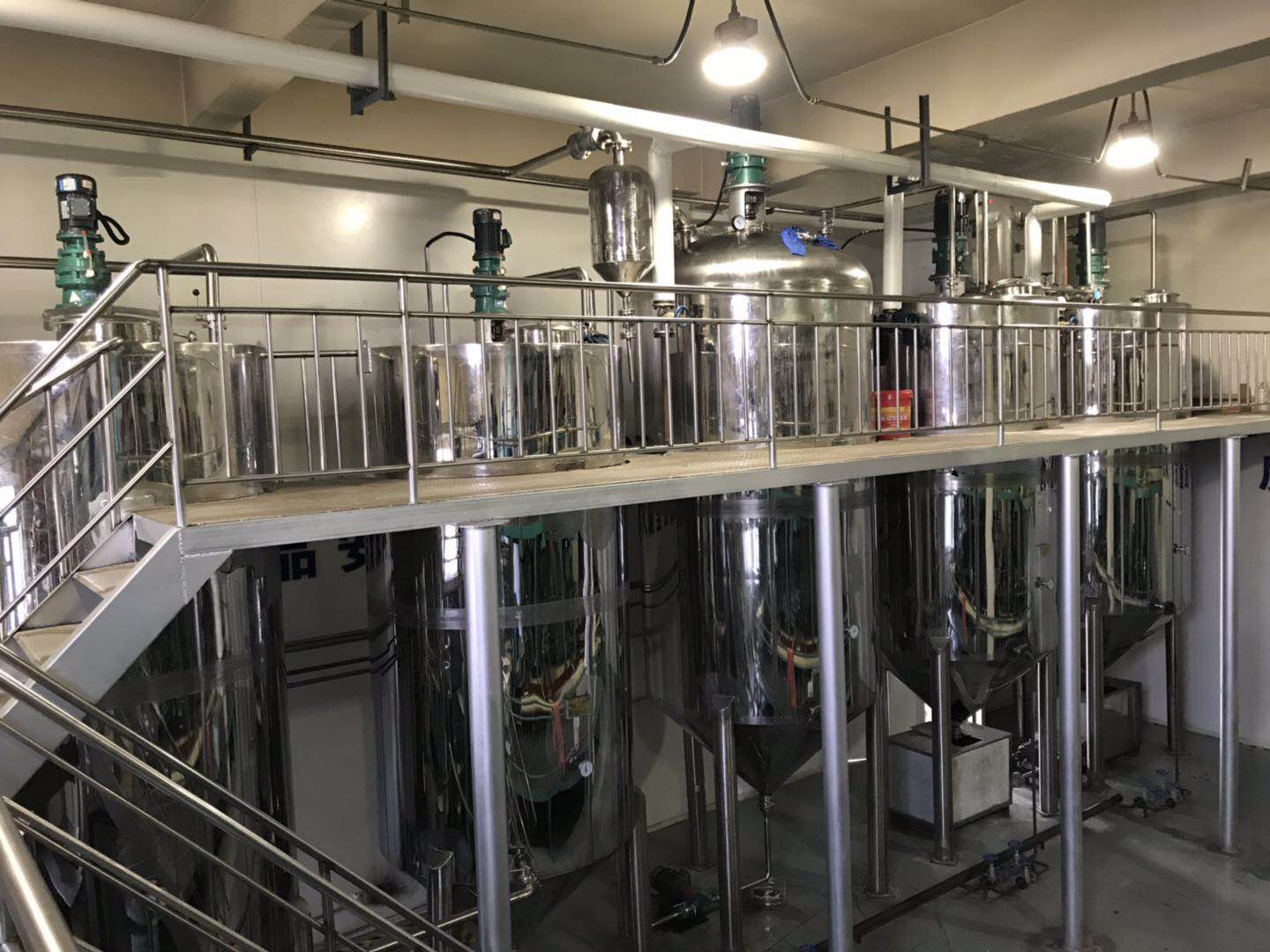
Reference for daily output and cost of medium and large-scale peanut oil production lines
Medium and large-scale peanut oil production lines are mainly designed for large-scale market demand and are suitable for large enterprises or groups. The daily output of a medium-sized production line is generally between 10 and 50 tons, while the daily output of a large-scale production line is over 50 tons.
Equipment Configuration Specifications for Medium and Large-Scale Peanut Oil Production Lines
Medium and large-scale production lines have more complex and advanced equipment configurations. In addition to the basic equipment of small production lines, they also include softening/conditioning equipment (layer softening pot, conditioning tower), billet rolling/expansion equipment (rolling mill, extruder), leaching equipment (leacher, evaporator, stripping tower, condenser) and refining equipment (degumming centrifuge, vacuum deacidification tower, decolorization tower, high-efficiency filter, vacuum deodorization tower).
Comparison of daily output and cost of medium and large-scale peanut oil production lines
| Production line type | Daily output range (tons) | Equipment investment costs (approximate range) | Operating cost explanation |
|---|---|---|---|
| Medium-sized peanut oil production line | 10 - 50 | $100,000 - $500,000 | Relatively high, but unit cost is reduced due to economies of scale. |
| Large-scale peanut oil production line | 50 and above | $500,000+ | Higher cost, but significant economies of scale and lower unit cost. |
Investment costs for medium to large-scale production lines are relatively high, mainly used for purchasing advanced equipment and constructing supporting plant facilities. However, due to economies of scale, the operating cost per unit of product is relatively low.
When purchasing medium to large-scale production lines, in addition to considering equipment quality, energy consumption, and after-sales service, attention should also be paid to the degree of automation of the equipment in order to improve production efficiency and reduce labor costs.
Cost reference excluding pricing
While specific prices may vary by region and specifications, understanding the cost structure can help in budgeting.
Typical capital expenditure allocation
- Processing portion (pressing/extraction/refining): 55–65%
- Utilities and ancillary systems: 15%–25%
- Installation, steel structure, piping: 8-12%
- Automation and Electrical: 5-10%
- Debugging, spare parts, training: 3-6%
Typical operating expense breakdown
- Raw peanuts: 80-90%
- Energy (electricity, steam, fuel): 4-8%
- Labor force: 2-4%
- Maintenance cost: 1-3%
- Consumables (bleaching clay, filter aid): 1-2%
Recommendations for selecting the output capacity of a peanut oil production line
Choosing the appropriate output for a peanut oil production line requires consideration of several factors. First and foremost is market demand; thorough research and analysis of local and target market peanut oil consumption are essential to ensure sufficient market availability for the produced product.
Secondly, there is the investment budget. The investment costs of production lines with different output levels vary greatly, and the appropriate scale should be selected based on one's own financial strength.
For newcomers to the peanut oil industry with uncertain market demand, it's advisable to start with a small production line to accumulate experience and market resources, gradually upgrading as the market expands. However, companies with sufficient capital and clear market objectives can directly choose medium to large-scale production lines to achieve economies of scale.
Peanut oil production line output calculation method and reference
Output can be determined based on the equipment's processing capacity and operating hours. For example, if a screw oil press has a pressing capacity of 0.5 tons per hour and works for 8 hours a day, its daily output would be 4 tons.
For production lines using leaching processes, the processing capacity of the leaching equipment and the connection between upstream and downstream processes must also be considered.
In addition, the quality and moisture content of peanuts also affect yield. Peanuts with high moisture content may reduce the processing efficiency of equipment during pressing or leaching, thus affecting the final yield. Therefore, when calculating yield, peanut quality needs to be assessed and adjustments made according to actual conditions.
Quality and safety considerations affecting production capacity
- Controlling aflatoxin through color sorting and supplier audits is crucial; refining does not eliminate aflatoxin.
- Conditioning (moisture-heat balance) will affect pressing efficiency; before pressing, the moisture content of the target kernels should be around 6-8%.
- To ensure stability during winter, if your market requires stability in low-temperature environments, please consider winterization modifications.
Why Choose QIE GROUP to Build Your Peanut Oil Production Line
QIE GROUP possesses extensive experience and a professional technical team in the construction of peanut oil production lines. We can provide customized solutions based on our clients' specific needs and production requirements.
Our equipment is manufactured using advanced technology and high-quality materials, featuring high efficiency, stability, and energy saving. Whether for small, medium, or large production lines, we can ensure that the quality and performance of our equipment reach industry-leading levels.
In addition, QIE GROUP provides comprehensive after-sales services, including equipment installation and commissioning, operation training, maintenance, and repair. Our technical support team can respond promptly to customer needs and resolve problems encountered during production. Choosing QIE GROUP means gaining a reliable partner to jointly build an efficient and high-quality peanut oil production line.
Are you planning a peanut oil production line project?
QIE GROUP can customize a complete solution for small/medium/large peanut oil production lines based on your target daily output, peanut raw material conditions and investment budget, covering equipment selection, process configuration, capacity calculation and turnkey project support.
Contact us now to get a customized peanut oil production line solution and quote.Common Questions and Answers about Peanut Oil Production Lines
1) What should be the daily output of a small-scale peanut oil production line?
A small-scale peanut oil production line typically has a daily output of 1-10 tons. It is suitable for small businesses or family workshops, with low investment costs and high flexibility.
2) What factors should be considered when selecting the output of a peanut oil production line?
Factors such as market demand, investment budget, and experience in the industry should be considered. New entrants can start with small production lines, while companies with clear market goals and sufficient financial strength can directly choose medium to large production lines.
3) How to calculate the output of a peanut oil production line?
Output can be calculated based on the equipment's processing capacity and operating hours. For example, a screw press that can process 0.5 tons per hour, operating for 8 hours a day, will have a daily output of 4 tons. The quality and moisture content of the peanuts will also affect the output.
4) What export market certification requirements does this production line need to meet?
Common requirements include: mechanical equipment must meet CE certification standards, the quality system must meet ISO 9001 standards, food safety must meet HACCP standards, and the solvent extraction area must meet ATEX/IECEx standards. QIE GROUP's designs all comply with these standards.
5) Why was QIE GROUP chosen to build the peanut oil production line?
QIE GROUP boasts extensive experience and a professional technical team. We can provide customized solutions based on our clients' specific needs. Our equipment is of high quality, energy efficient, and we also offer comprehensive after-sales service.