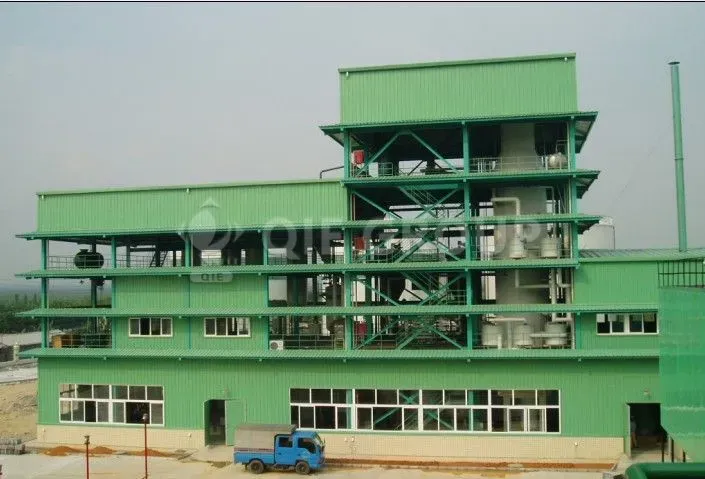
For peanut oil processing investors in Sudan and across African markets, the equipment quotation is only one part of the plant construction budget when purchasing a peanut oil production line. The factors that truly affect project investment and long-term operation also include peanut raw material cleaning performance, pre-treatment process matching, pressing stability, filtration configuration, installation and commissioning, spare parts supply, and after-sales support.
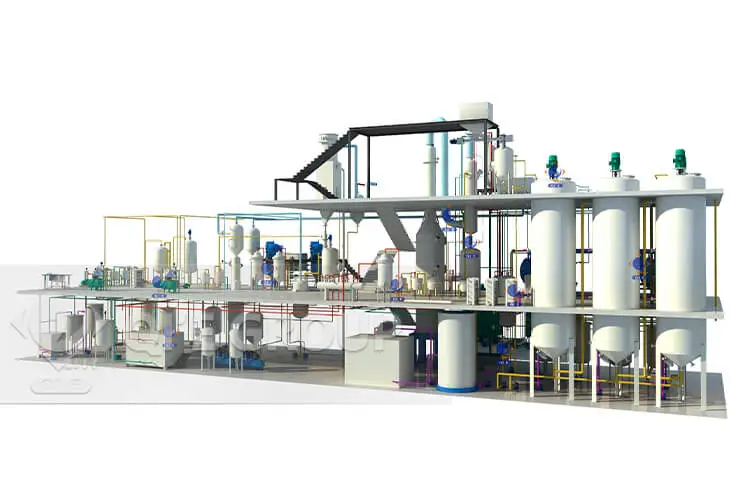
Many purchasing mistakes come from a simple judgment: comparing only the price of a peanut oil press machine while ignoring front-end pre-treatment and back-end oil handling. In fact, a peanut oil processing plant usually includes cleaning, magnetic separation, destoning, crushing, flaking, cooking, pre-pressing, second pressing, filtration, deacidification and drying, and filling. If any key stage is missing, it may affect raw material adaptability, oil yield stability, equipment wear, and finished oil quality.
The following process is used during peanut oil processing solution discussions to help understand how the main equipment works together. The exact configuration should be adjusted according to raw material condition, capacity requirements, plant conditions, and local power and steam availability.
The peanut cake after second pressing usually also needs to be cooled and sent to cake storage. For projects planning to add an oil extraction section, flaking quality and stable front-end pre-treatment will affect subsequent extraction performance.

A low price does not necessarily mean the equipment is unsuitable, but if the quotation scope is unclear, the buyer may easily incur extra costs during installation, operation, maintenance, and expansion. The table below can serve as a basic checklist for Sudanese and African customers evaluating peanut oil processing equipment quotations.
| Purchasing Focus | Issues That a Low Quote May Overlook | Recommended Confirmation |
|---|---|---|
| Pre-treatment completeness | Only the oil press is included; cleaning screen, magnetic separator, specific gravity destoner, toothed-roller crusher, or cooking kettle are missing. | Confirm whether the raw material goes through cleaning, iron removal, destoning, crushing, and conditioning before pressing. |
| Process matching | The single machine is inexpensive, but it does not match peanut impurity content, moisture content, particle size, or processing goals. | Inform the supplier about raw material source, planned capacity, working shifts, finished oil application, and local energy conditions. |
| Pressing stability | If pre-pressing, second pressing, and cooking conditions are ignored, oil yield may become unstable and cake quality may fluctuate later. | Confirm whether a screw pre-press, screw oil press, multi-stage pressing, and hot pressing or cold pressing solution is required. |
| Oil handling | Insufficient filtration configuration limits residue handling capacity and affects subsequent fine filtration or packaging. | Confirm whether vertical leaf filters or other filtration equipment are included, as well as slag discharge, continuous operation, and maintenance methods. |
| Installation and commissioning | The quotation covers only the equipment and does not include installation guidance, commissioning support, or operation training. | Confirm whether the supplier provides design, installation, commissioning, and after-sales service support. |
| Long-term operating cost | The initial price is lower, but energy consumption, wearing parts, downtime maintenance, and spare parts sourcing costs are higher. | Evaluate equipment durability, ease of operation, spare parts supply, maintenance cycle, and after-sales response comprehensively. |
It consists of a feed hopper, ribbed roller, concave grate, fan, gravity sorting screen, and air conveyor, with a compact structure suitable for peanut shell removal. According to the product information, the shelling rate is no less than 95%.
The cleaning screen removes large and small impurities, while the magnetic separator removes ferrous impurities, helping improve the operating environment and reduce the impact of hard impurities on downstream equipment.
The suction-type specific gravity destoner is used to remove stones and clods, especially in areas with more stones and soil clumps in the raw material, helping improve pre-treatment stability.
Peanuts are evenly crushed into 4 to 8 pieces so that temperature and moisture are distributed more uniformly during cooking, creating more suitable conditions for subsequent pressing.
The cooking section adjusts the moisture and temperature of the peanuts so the material reaches a more suitable state for pressing. This stage has an important impact on pressing efficiency and operational stability.
Flaking turns the material into thin flakes of about 0.3 mm. For projects with solvent extraction, flaking helps oil be extracted more fully in a shorter time and can keep residual oil in the meal below 1%.
A screw pre-press can be used for peanuts, rapeseed, soybeans, sunflower seeds, and other vegetable oilseeds. It adopts a bar-pressing process and is suitable for the first pressing of materials with high oil content.
The screw oil press can process peanuts, rapeseed, soybeans, sunflower seeds, and other oilseeds. It uses a round-bar and slot combination process and can be equipped with micro-electric control, infrared heating, and multi-stage pressing to support hot pressing or cold pressing solutions.
This filtration system uses a thickened stainless-steel screen to remove coarse and fine residues from the oil, supports automatic residue discharge, facilitates continuous operation, and creates conditions for subsequent fine filtration.
Sudan has the raw material base for peanut oil processing, but raw material impurities, moisture content, storage conditions, power conditions, and manual operating habits may vary by region. Therefore, a reasonable quotation should be based on confirmed process requirements rather than a single-machine price only.

In B2B procurement, a more rational approach is to evaluate the total cost of ownership rather than only the purchase price. Total cost of ownership usually includes equipment purchase, transportation, installation, commissioning, operating energy consumption, labor, maintenance, spare parts, downtime risk, and future expansion capability. For a peanut oil production line, the better the match between pre-treatment and pressing sections, the easier it is to maintain stable operation later.
Key point: Low-cost equipment may reduce the initial purchase amount, but if it lacks essential pre-treatment equipment, process design, and after-sales support, the actual plant construction cost and long-term operating cost may increase.
QIE GROUP integrates R&D, design, production, installation, commissioning, and after-sales service. Based on the customer’s peanut raw material conditions and investment plan, we can discuss a solution centered on peanut oil pre-treatment equipment, peanut oil press machines, and related supporting equipment.
To obtain a peanut oil production line solution that is closer to actual plant requirements, customers are advised to provide the following information when making an inquiry. The more complete the information is, the easier it is to define the equipment configuration and quotation scope.
Please send us your raw material conditions, target capacity, and project location. Our team will help you determine whether the equipment quotation is complete and whether the process matches your needs based on the scope of pre-treatment, pressing, filtration, and installation services.
It is usually recommended to equip the line with necessary pre-treatment equipment. Cleaning, magnetic separation, destoning, crushing, and cooking can help the raw material reach a state more suitable for pressing and reduce the impact of impurities on equipment and oil handling. The exact configuration should be determined according to raw material quality and capacity requirements.
A single peanut oil press can only complete the pressing stage. If the raw material has not been cleaned, destoned, crushed, and cooked, it may affect pressing stability, equipment wear, and oil handling results. Therefore, the buyer should evaluate the compatibility of the entire peanut oil processing equipment set.
It is recommended to provide the raw material type, planned capacity, finished oil requirements, plant conditions, power conditions, and project location. If the raw material contains more impurities, also specify whether shelling, cleaning, destoning, and filtration sections are required.
A relatively complete quotation should clearly define the main equipment, auxiliary equipment, process scope, installation and commissioning support, spare parts, packaging and transportation method, and after-sales service boundaries. The buyer should confirm whether the quotation is only for a single machine or covers the full production line solution.
The company is engaged in the R&D, manufacturing, sales, and service of grain and oil machinery equipment. It can provide solution discussions for peanut oil pre-treatment equipment, peanut oil press machines, filtration equipment, and related supporting sections, as well as design, production, installation, commissioning, and after-sales service support.