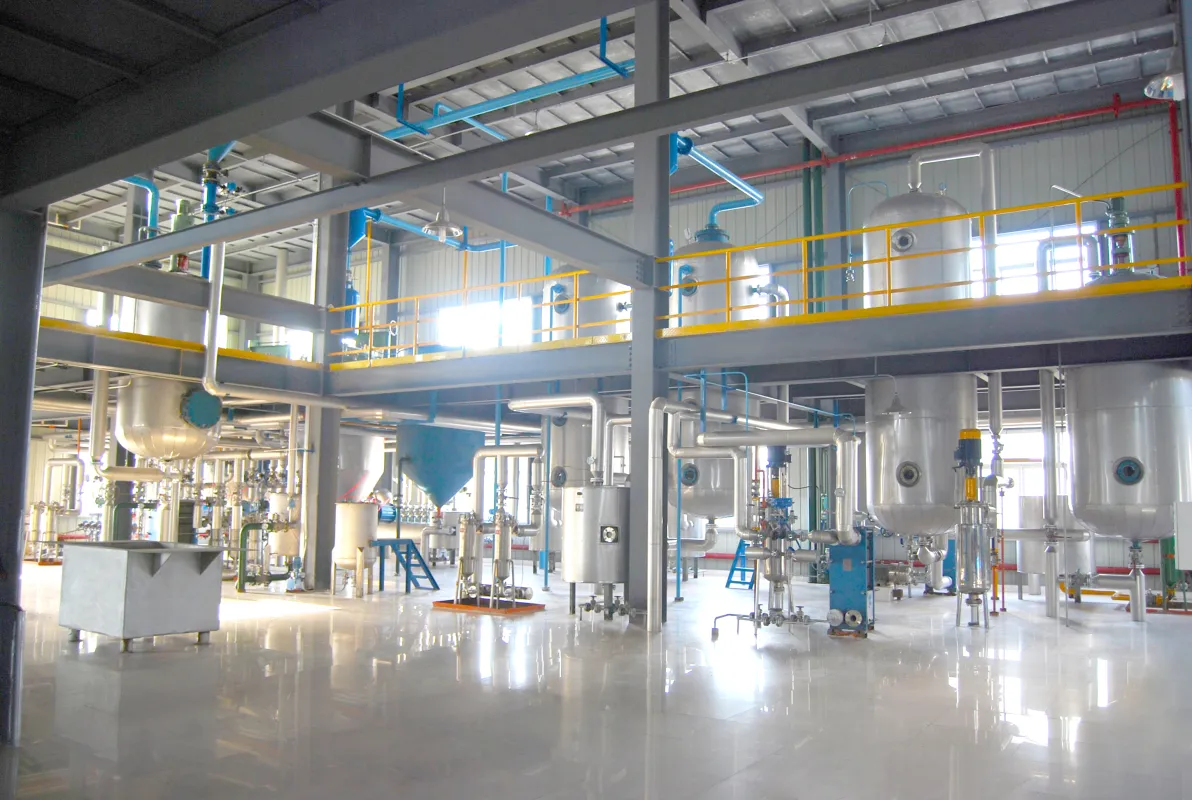
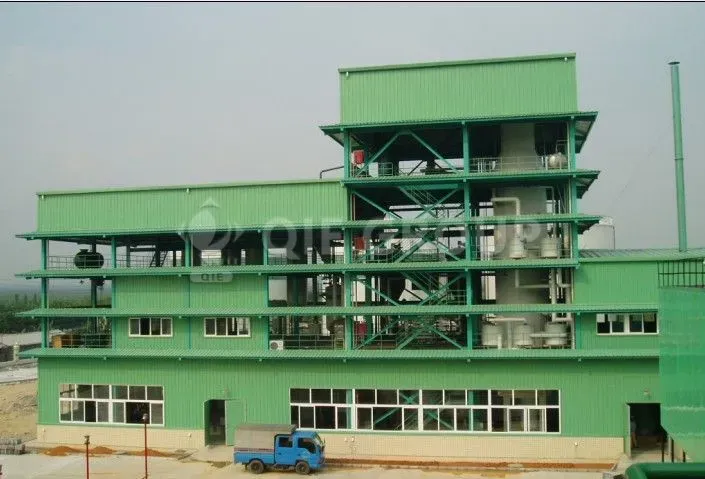
The selection of a peanut oil production line typically depends on processing capacity, raw material conditions, automation requirements, and long-term investment plans.
Peanut oil production lines of different sizes require different machine combinations. A systematic processing system designed around raw material pretreatment, pressing, filtration, and finished oil processing, along with the specific requirements for different machines, also varies. However, the core objectives are to improve raw material utilization, stabilize production operation, and ensure consistent oil quality. Small peanut oil production lines require machines with lower output, while medium and large production lines require more machines and have higher requirements for the coordination between them.
A standard peanut oil production line typically includes the following processes:
Cleaning → Magnetic separation → Destoning → Crushing → Pressing → Steaming and roasting → Pre-pressing/pressing → Filtration → Finished oil processing
Each process plays a specific role in the entire oil processing procedure:
Compared to single-machine oil press equipment, a complete peanut oil production line has more obvious advantages in continuous production, operational stability, and oil quality control.
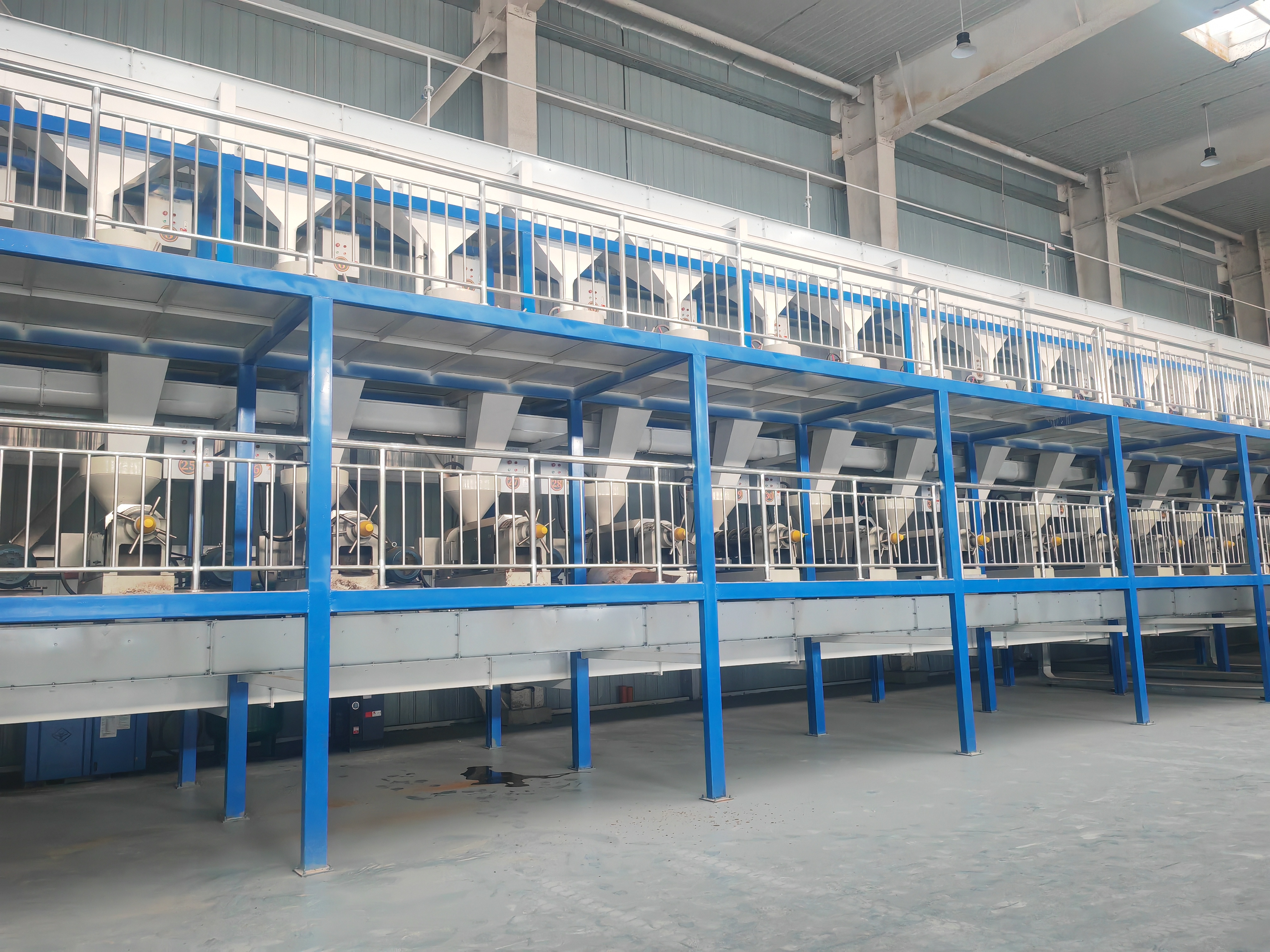
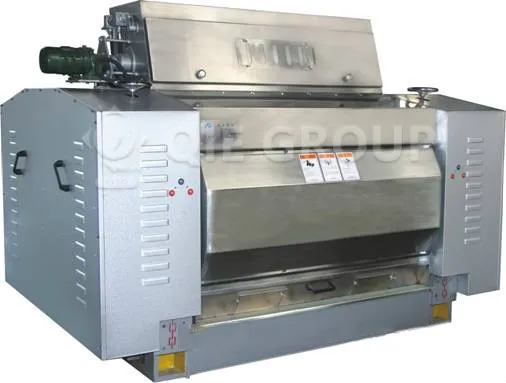
The pretreatment section directly affects the subsequent pressing effect and the stability of equipment operation. The configuration varies depending on the size of the production line, but it typically includes the following equipment:
Different pressing methods can be selected based on different market positioning and product needs:
Modern peanut oil production equipment not only focuses on pressure increase, but also emphasizes temperature control, continuous feeding stability, and overall energy consumption balance.
Vertical blade filter: Used for separating oil residue and suspended impurities from crude oil after pressing. Compared with traditional sedimentation methods, vertical filtration systems have the following advantages:
Filtered crude oil can also effectively reduce the load on subsequent refining processes.

Different processing scales have significantly different requirements for the number of equipment, the degree of automation, and the completeness of the process.
| Configuration type | Main features |
|---|---|
| Small-scale peanut oil production line | Compact structure, semi-automated, and relatively low investment. |
| Medium-sized peanut oil production line | Pretreatment combined with continuous pressing, moderate investment. |
| Large-scale fully automated peanut oil processing plant | High degree of automation and continuous operation |
Key features: small footprint; relatively simple installation requirements; easy operation and maintenance; suitable for areas with dispersed raw material supply, suitable for farmers, and can be used for combinations of multiple materials.
Common configurations include: cleaning equipment, destoning equipment, crushing equipment, steaming and roasting equipment, screw oil press, and a simple filtration system. This type of peanut oil production line is suitable for start-up edible oil processing enterprises and local market supply projects.
Key features: Equipped with a complete pretreatment section; further improved level of automation; more stable feeding and oil output; more suitable for continuous production.
Recommended configuration: automatic conveying system, pressing equipment, continuous steaming and roasting system, pre-pressing equipment, and industrial filtration system. Medium-sized peanut oil mills are typically suitable for processing enterprises with a certain market scale and plans for future expansion, possessing sufficient peanut reserves to facilitate future production line expansion.
Key features: high-capacity continuous operation; centralized electrical control system; automatic conveying and automatic control; reduced reliance on manual labor; easy integration with subsequent refining systems.
System advantages: more stable oil output efficiency; higher production consistency; reduced downtime; easier subsequent capacity expansion and upgrades; increased customer profits.
Before investing in a peanut oil processing plant, it is recommended to carefully evaluate the following factors: raw material conditions, daily processing capacity, plant space, energy and supporting facilities, local labor costs, future expansion needs, and the market positioning of the finished oil products. As a grain and oil processing equipment manufacturer, QIE GROUP can provide complete support including equipment manufacturing, process design, installation and commissioning, and technical services.
Regardless of whether it's a small, medium, or large peanut oil production line, the final solution needs to be determined comprehensively based on the user's production needs, budget planning, and long-term operational requirements. A fully configured peanut oil production line can not only increase oil yield but also reduce downtime risks, optimize labor efficiency, and provide stable support for the company's subsequent large-scale development, helping users reduce their own risks and ensure maximum profits.
1. What equipment typically includes in a complete peanut oil production line?
A: A complete peanut oil production line typically includes cleaning equipment, magnetic separation equipment, destoning equipment, crushing equipment, pressing equipment, steaming and roasting equipment, oil press equipment, filtration system, and finished oil processing system.
2. What are the main differences between small and large peanut oil mills?
A: Small peanut oil plants typically use semi-automated configurations, which require relatively low investment; large peanut oil processing plants use automatic conveying, centralized control and continuous production systems, which are more suitable for industrial-scale operation.
3. Why does the pretreatment process affect the oil yield?
A: Pretreatment can improve the cleanliness, moisture content and particle uniformity of raw materials, thereby increasing pressing efficiency and reducing equipment wear and residual oil content.
4. Which pressing process is most suitable for peanut oil production?
A: Hot pressing is suitable for markets that seek higher oil yield and richer flavor; cold pressing is more suitable for high-end edible oil products; and multi-stage pressing is suitable for industrial continuous production projects.
5. What factors affect the configuration and cost of a peanut oil production line?
A: It is mainly affected by factors such as processing capacity, level of automation, raw material conditions, process route, and plant layout. Most projects require customized design based on actual needs.
We professionally provide turnkey projects for peanut oil production lines ranging from 1 to 1000 TPD, helping you maximize your profits.
Consulting on solutions for peanut oil production lines