Home > News > How to select peanut pressing equipment and process flow based on production capacity?

How to select peanut pressing equipment and process flow based on production capacity?

2025-12-11
In the modern peanut oil processing industry, the rational configuration of production line equipment is key for every small and medium-sized peanut oil plant to improve oil yield and production efficiency. The configuration of the peanut oil production line not only determines the quality and output of the finished oil, but also directly affects operating costs and the level of automation.
营销主题配图_1753078806810.jpg

How to select peanut pressing equipment and process flow based on production capacity?

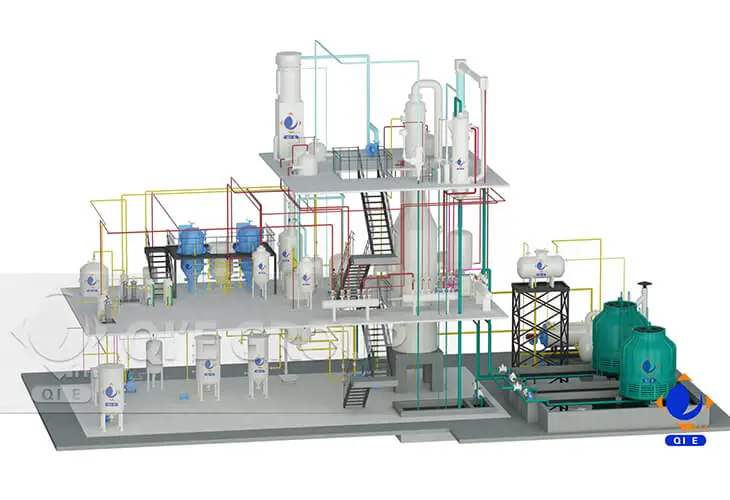
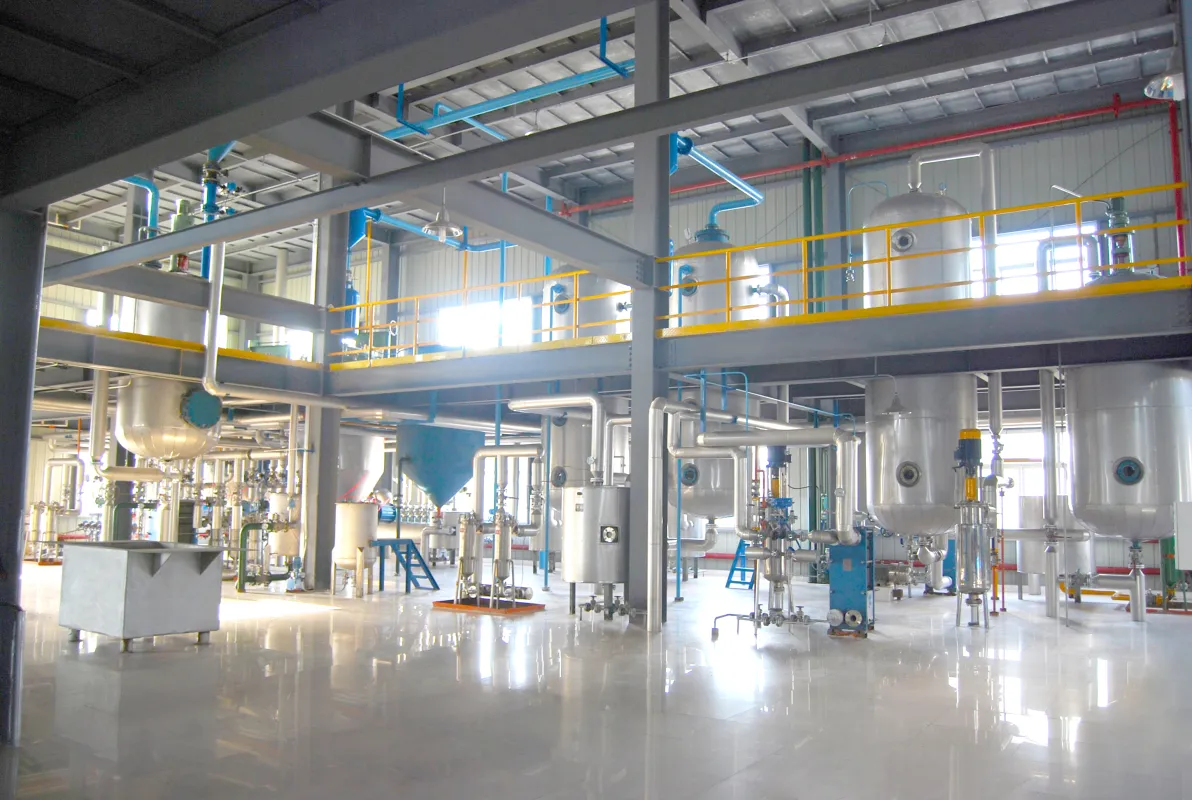
In the modern peanut oil processing industry, the rational configuration of production line equipment is key for every small and medium-sized peanut oil plant to improve oil yield and production efficiency. The configuration of the peanut oil production line not only determines the quality and output of the finished oil but also directly affects operating costs and the level of automation. QIE Group, with innovative equipment at its core, provides detailed breakdowns of peanut oil pressing equipment selection, pretreatment systems, and the overall process flow, focusing on different capacity requirements—especially the two typical scales of 1-5 tons/day and 10-30 tons/day—to recommend equipment to investors.

I. Equipment Matching Strategies for Different Production Capacity Ranges

The optimal configuration for a peanut oil production line should be precisely selected based on daily production capacity requirements. For small to medium-sized peanut oil plants with a capacity of 1-5 tons/day, the equipment needs to balance investment budget and processing flexibility. QIE Group recommends a series of compact yet stable pretreatment machines and hydraulic presses to ensure a processing capacity of 2-3 tons per hour, with moderate automation, simple operation, and low maintenance costs.

For medium-sized processing plants with a daily capacity of 10-30 tons, equipment automation and capacity matching are particularly crucial. Selecting equipment combinations with automatic feeding, intelligent steaming and frying control, and continuous online pre-processing can significantly improve oil yield and save labor costs. QIE Group's high-efficiency pre-processing system and upgraded hydraulic oil press have been validated at multiple customer sites, achieving stable and continuous oil production with an overall automation rate exceeding 75%.

II. Core Process Flow Analysis: Impact of Key Nodes

Peanut oil processing mainly includes four core stages: raw material cleaning, steaming and roasting, pressing and filtering. Each step has a significant impact on the final oil quality and yield.

  • Raw material cleaning: Removes impurities and shell fragments to ensure smooth operation of subsequent equipment. QIE Group's pretreatment machines are equipped with efficient screening and air separation systems to reduce material loss and improve overall line efficiency.
  • Steaming and roasting process: Traditional processes emphasize the "thorough cooking" and "full preheating" of peanuts. QIE's intelligent steaming and roasting equipment uses closed-loop control technology for temperature and time to achieve stable, adjustable, and uniform heating, significantly improving the oil release rate.
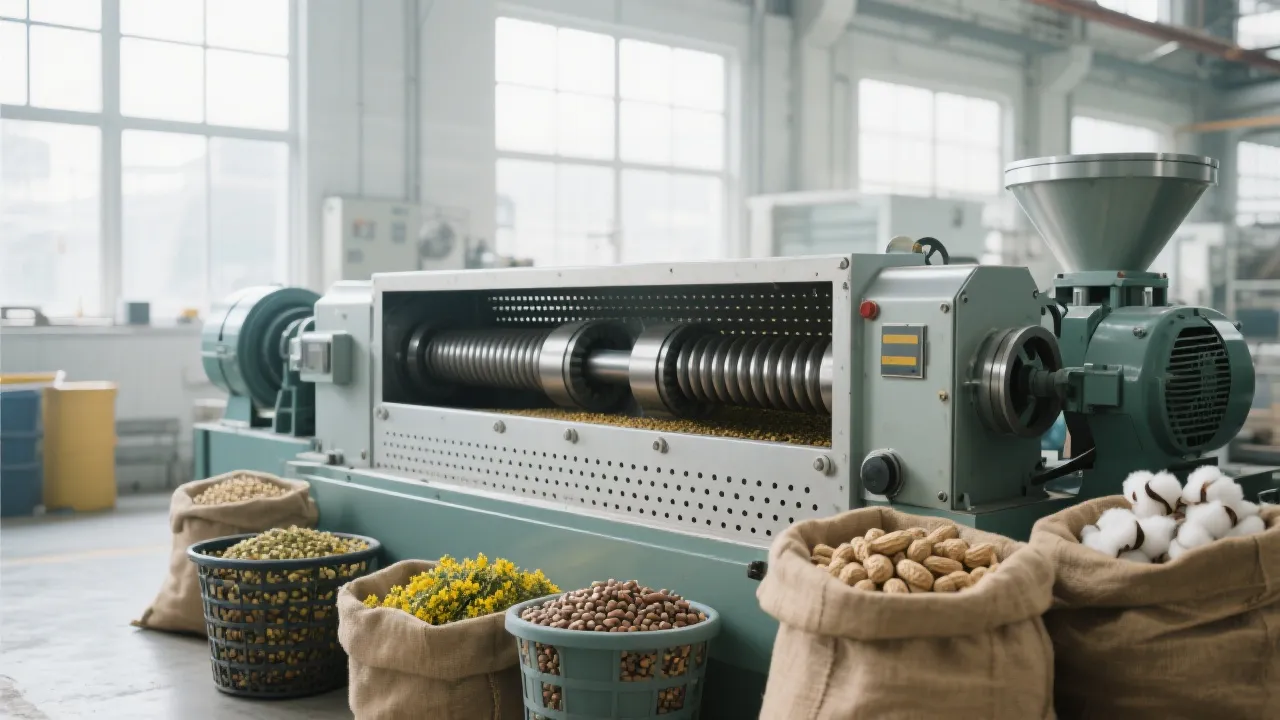
  • Pressing process: The core equipment, a hydraulic oil press series, achieves higher pressing pressure and Oil Extraction efficiency, and the equipment is wear-resistant and operates stably. Multi-stage pressing combined with automatic residue unloading maximizes oil recovery.
  • Filtration process: The high-efficiency filtration system ensures the cleanliness of the oil. QIE Group is equipped with multi-layer filter screens and centrifugal filtration technology to ensure the pure color of peanut oil and meet international export standards.

III. Trade-off between automation level and operating costs

The level of automation in a peanut oil production line directly impacts labor costs, energy consumption, and equipment maintenance. Industry data shows:

  • When the automation rate increases from 30% to 70%, labor costs can decrease by 30%-40%.
  • Highly automated production lines can reduce energy consumption during steaming and frying processes by 8%-12% through intelligent control.
  • Stabilizing equipment reduces maintenance downtime and improves production line operating efficiency by an average of 15%.

Interactive question: What is your factory's daily production capacity?

Leave a message telling us your peanut oil production goals, and the QIE Group's professional team will tailor a peanut oil pressing equipment selection and process flow plan for you, helping you control production line efficiency and achieve the best solution for cost reduction and efficiency improvement!
Name *
Email *
Message*
Recommended Products