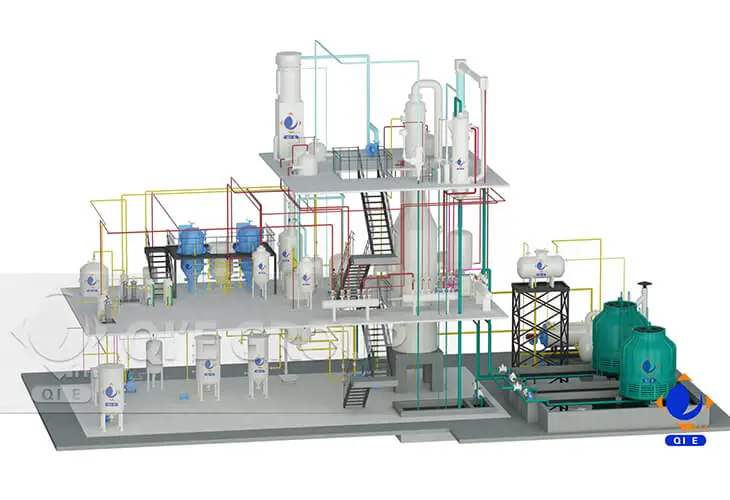
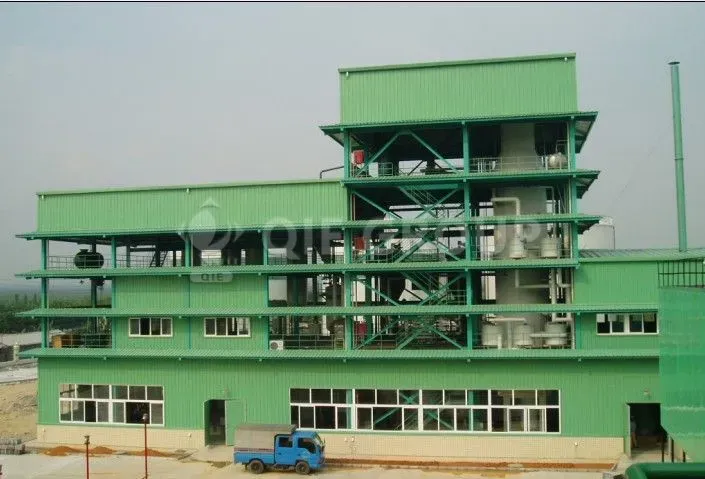
Planning to invest in a peanut oil processing plant but unsure where to start with equipment selection? This article will guide you step-by-step through understanding how to scientifically select peanut oil pressing equipment based on your production scale, avoiding common pitfalls. Combining real-world case studies and industry trends, it will help you build an efficient and stable production line. All equipment incorporates leading technologies from the QIE Group, guaranteeing quality and after-sales support to maximize your return on investment.
Before you begin purchasing equipment, you must clearly define your factory's annual peanut oil production target. A typical production target for a small to medium-sized processing plant is 500 to 2000 tons per year. Only after determining this target can you rationally select the specifications of the pretreatment machine and the pressing machine.
According to data from the QIE Group, a production line with an annual output of 1,000 tons typically has a daily capacity of about 4-6 tons for the screw press, and the pre-processing equipment needs to have a slightly higher capacity than the pressing section to ensure smooth material flow.
A common mistake for beginners is blindly pursuing low-priced equipment while ignoring the capacity matching between different machines. Insufficient pretreatment capacity will cause the press to wait, reducing overall efficiency; conversely, excessive pretreatment will lead to resource waste.
For example, if your press is designed to produce 6 tons of oil peanuts per day, it is recommended that the pre-processing equipment capacity be set at 6.5 to 7 tons per day to account for fluctuations in equipment operation and maintenance time.
A complete peanut oil production line includes:
Special attention was paid to the compatibility of automated conveyor systems between equipment during the design process, in order to reduce manual handling and improve safety and efficiency.
Myth 1: Focusing only on equipment purchase costs while ignoring subsequent maintenance expenses. Low-priced machines on the market often have scarce spare parts, and frequent downtime leads to production interruptions, with costs far exceeding the savings on the purchase price.
Myth 2: Failure to select equipment based on production capacity requirements leads to mismatched production capacity and wasted investment.
Myth 3: Ignoring brand reputation and technological upgrade capabilities. As an industry leader, QIE Group provides comprehensive after-sales service and equipment upgrade solutions to ensure long-term stable production.
Taking a peanut oil processing plant with an annual output of 150 tons as an example, the equipment configuration is as follows:
| Equipment type | Model and Specifications | Daily production capacity (tons/day) | brand |
|---|---|---|---|
| Pre-processing machine (shelling, crushing) | QIE-PT650 | 6.8 | QIE Group |
| Screw press | QIE-SP900 | 6.0 | QIE Group |
| Filter | QIE-FL300 | 6.5 | QIE Group |
This configuration helps customers achieve a stable average daily oil production of 6 tons, with smooth equipment operation and a failure rate of less than 2%.
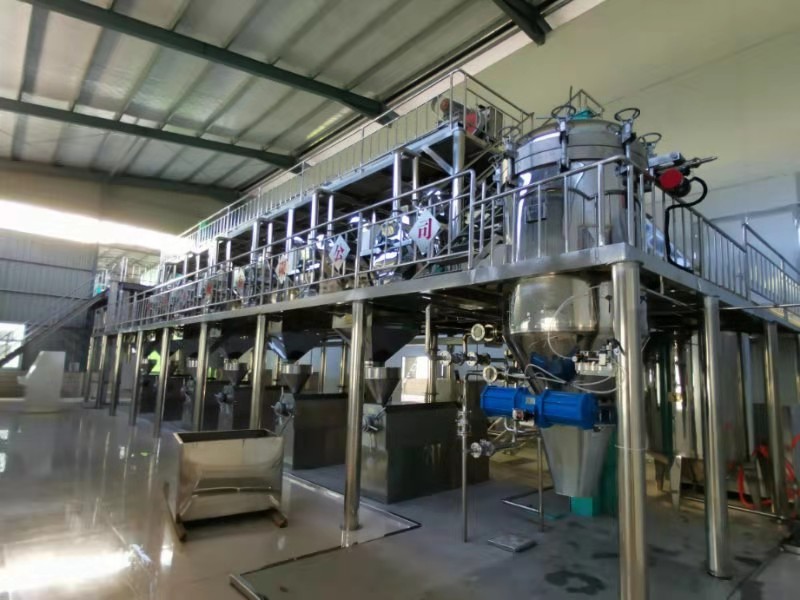 peanut oil production line">
QIE Group is deeply involved in intelligent manufacturing and has launched a variety of energy-saving intelligent pressing equipment. Equipped with automatic monitoring and remote diagnostic functions, it can achieve precise oilseed control and fault early warning, helping users significantly reduce electricity and labor costs.
Factories that adopt intelligent equipment see an average increase in energy efficiency of 15%-20%, a decrease in equipment maintenance costs of 30%, and a shortened investment payback period of 1-2 years. Choosing intelligent equipment is not only a technological upgrade, but also a key to enhancing market competitiveness.