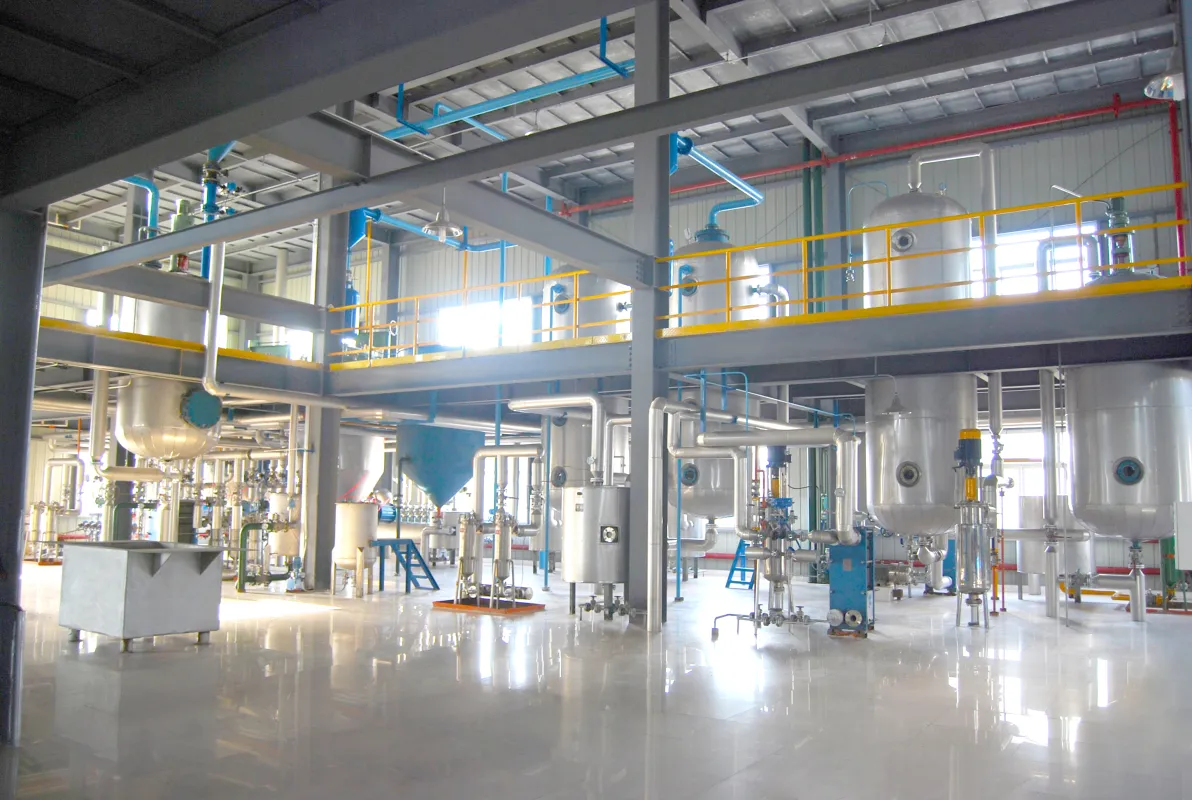
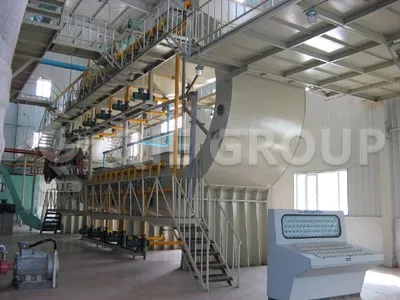
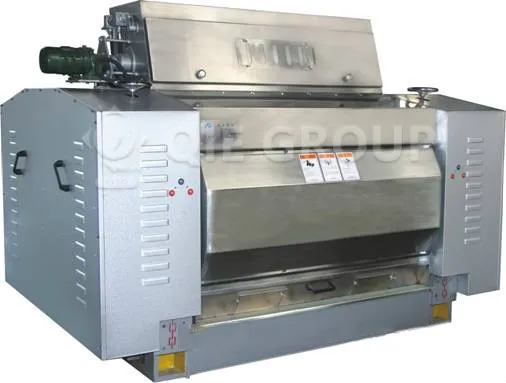
One of the most critical decisions when planning a new or expanded peanut oil plant is determining the appropriate production capacity . This choice directly impacts capital investment, operational efficiency, market responsiveness, and long-term profitability. Whether you are building a new plant or upgrading an existing one, understanding the required peanut oil production capacity ensures optimal resource allocation.
Before selecting a production line, local and export demands should be analyzed. For example, a small factory serving a regional market may only need a system with a daily output of 5-10 tons (TPD). In contrast, a medium-sized factory targeting domestic distribution and international exports may need a system with a daily output of 20-50 tons. Large industrial enterprises—especially those supplying supermarkets or food manufacturers—typically use fully automated systems with a daily output of over 100 tons.
As a trusted global supplier of edible oil processing solutions, QIE Group recommends starting with conservative estimates based on current sales forecasts and reserving a 20-30% growth buffer for the next 3-5 years. This approach minimizes underutilization of capacity and avoids costly bottlenecks later on.
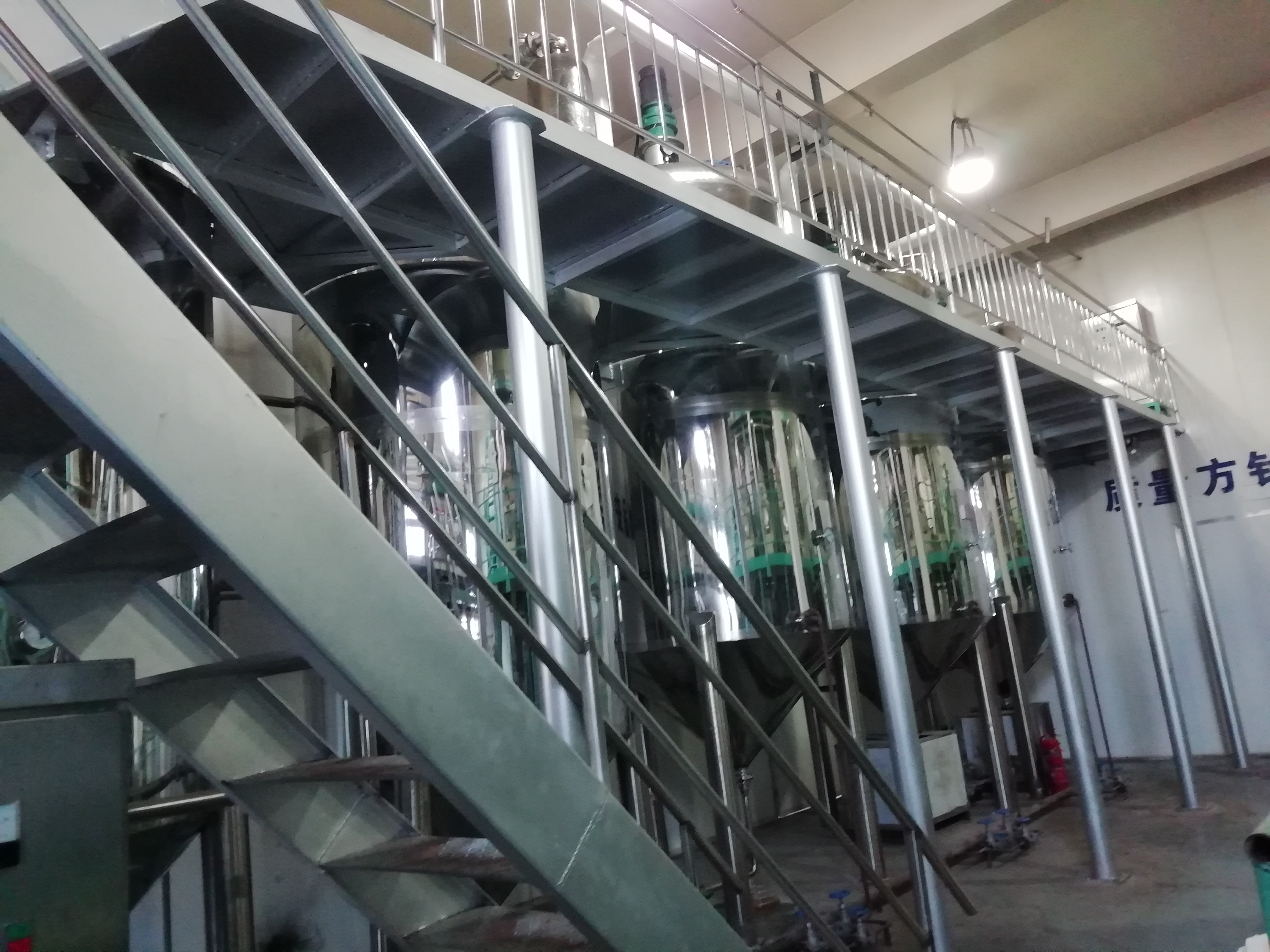
| factor | Impact on production capacity |
|---|---|
| Target market size | Larger markets require higher production capacity; for example, imports from the EU or North America require more than 50 tons per day. |
| Raw material supply situation | A stable supply enables high-capacity production lines (e.g., 30-100 tons/day) to be fully utilized. |
| Automation level | Manual, semi-automatic, and fully automatic operation methods affect labor costs and production efficiency. |
| Energy efficiency and compliance | Highly efficient machines can reduce operating costs—which is especially important in energy-intensive regions such as Southeast Asia or the Middle East. |
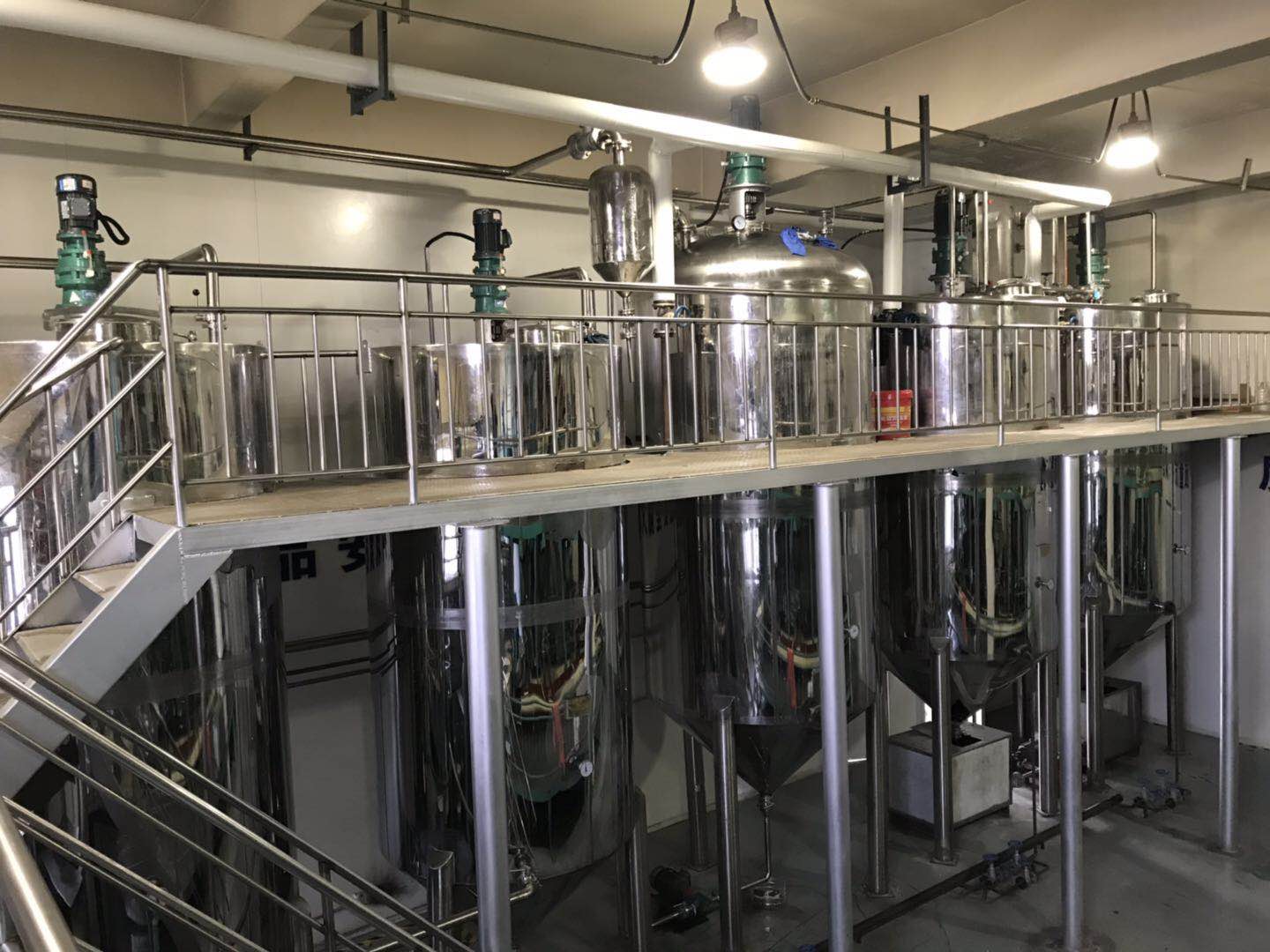
QIE Group can provide guidance on capacity planning, technical specifications, and project execution tailored to your region and objectives. We have supported over 120 peanut oil projects globally, ranging from startups in India to large-scale refineries in Brazil.
Apply for a free consultation now