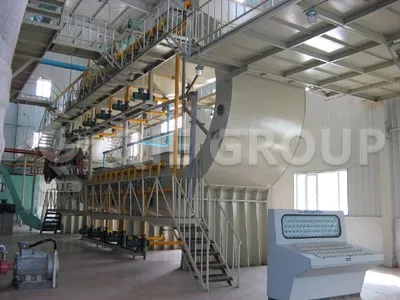
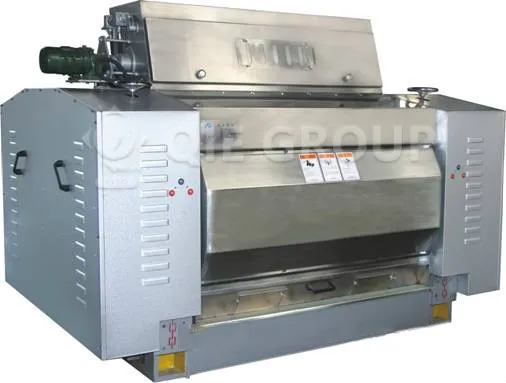
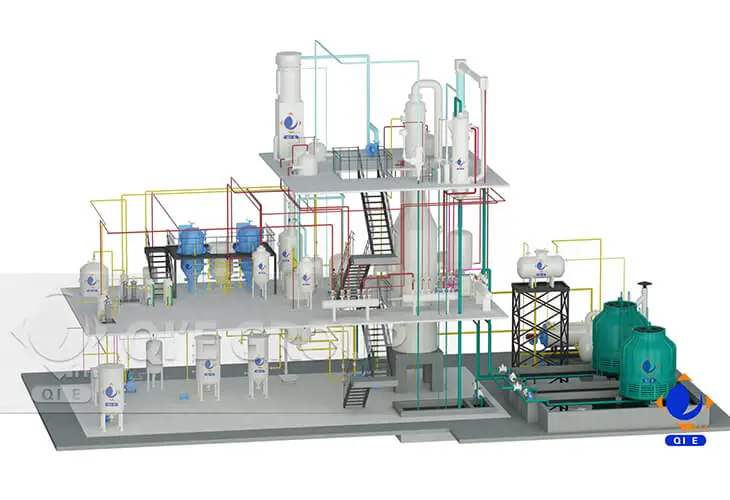
Accurately selecting peanut oil equipment and rationally planning production capacity are crucial for building a peanut oil production plant. Whether you are establishing a small or medium-sized oil plant for the first time or a large oil company preparing to expand production, understanding the equipment combinations and process flows corresponding to different production capacity requirements (1-5 tons/day vs. 10-30 tons/day) is essential to maximizing oil yield and minimizing energy consumption and labor costs.
First and foremost, the selection of peanut oil processing equipment must be closely aligned with your daily processing capacity ; this is the primary guideline for capacity planning. Small and medium-sized peanut oil plants (1-5 tons/day) prioritize flexibility and space efficiency, resulting in relatively low automation and more manual operation, but also high utilization rates and a quick return on investment. Large peanut oil plants (10-30 tons/day and above) favor highly automated, high-capacity equipment to reduce human error, improve energy efficiency, and demand higher standards in overall production line design and equipment coordination.
| core equipment | Small and medium-sized equipment (1-5 tons/day) | Large equipment (10-30 tons/day) |
|---|---|---|
| Pretreatment machine | It is a stand-alone multi-functional unit that is easy to operate and convenient for manual adjustment. | Multi-machine linkage, automatic feeding and cleaning system, high-precision control |
| Peanut oil press | Intermittent screw press, equipped with a basic temperature control system | Continuous and efficient pressing, integrated intelligent parameter monitoring, energy saving and emission reduction. |
| Filtration system | Manually clean the filter; no automatic alarm during operation. | Automatic cleaning with quality inspection and remote diagnostic functions. |
| Automation level | Semi-automatic, with more manual monitoring | Fully automated process, real-time data tracking |
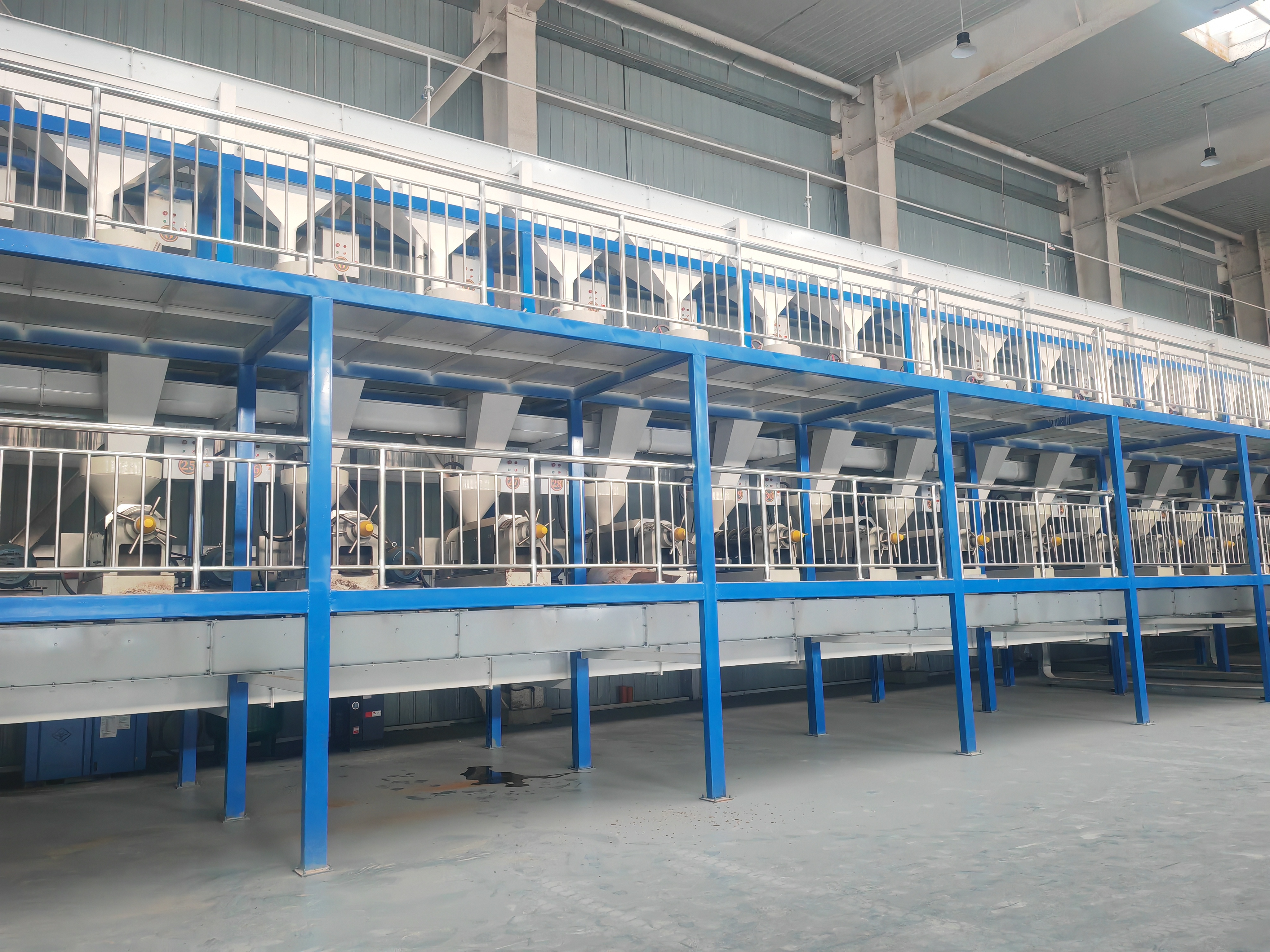
A well-designed production process is key to improving oil production efficiency. QIE GROUP experts recommend strengthening the cleaning and crushing of raw materials during pretreatment to maximize subsequent pressing efficiency. An automatic temperature control system ensures stable oil composition, safeguarding high-quality peanut oil. Simultaneously, improved filtration systems reduce oil residue, saving water and electricity, achieving a win-win situation of energy conservation and environmental protection.
With a scientifically configured peanut oil production line , you can achieve standardized operations from raw material cleaning, drying, pretreatment, pressing, filtering, refining to finished product bottling. The key technologies at each step affect the final oil quality.
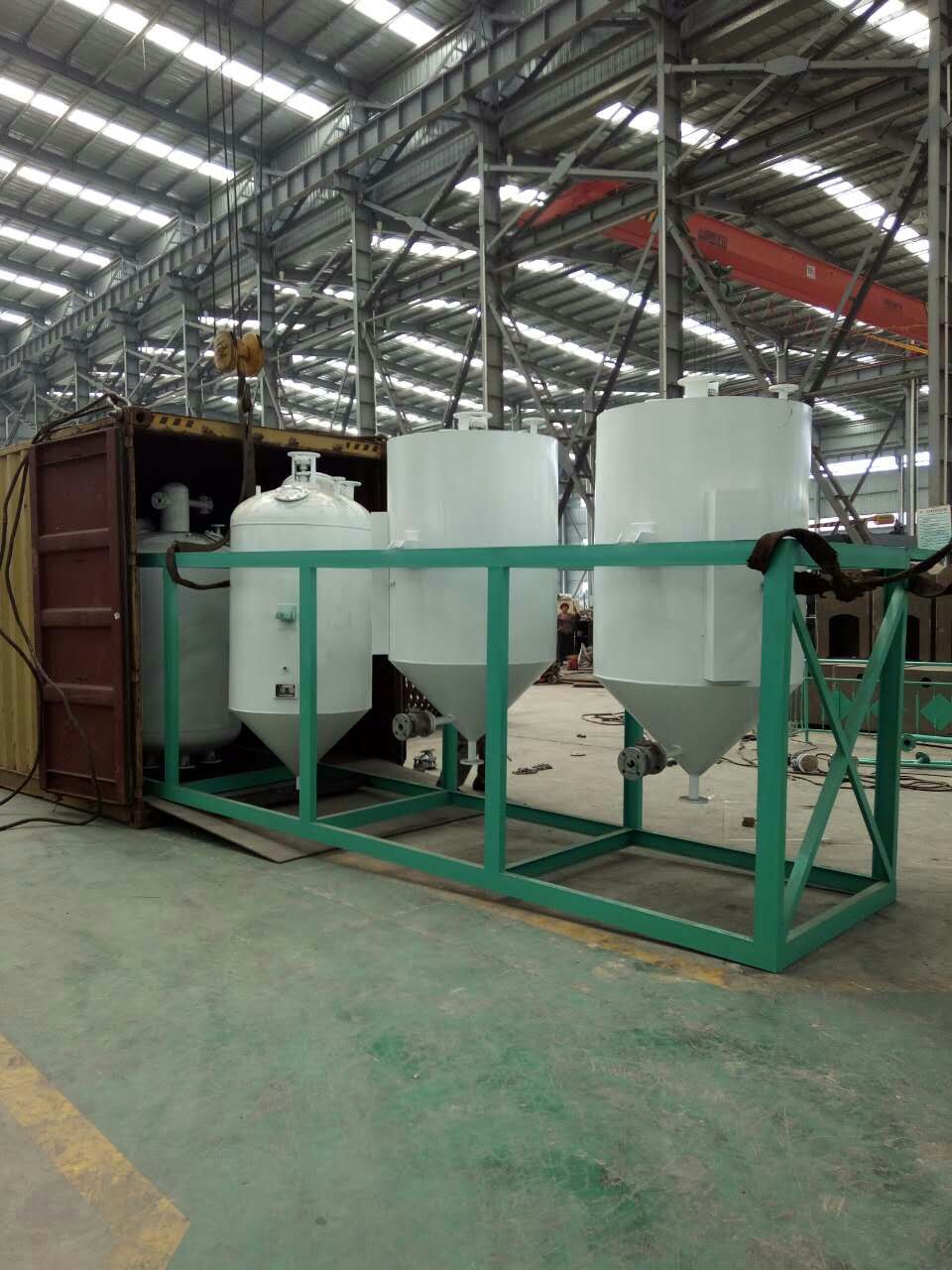
Taking a Southeast Asian customer as an example, their initial 2-ton-per-day oil plant used a combination of small and medium-sized pretreatment machines and presses from the QIE GROUP, which was easy to operate and maintain. Within six months, the oil yield increased to 43%, energy consumption decreased by 15%, and labor hours were reduced by 30%. Subsequent expansion to 15 tons/day, with the introduction of large-scale equipment and automated auxiliary systems, resulted in an overall increase in capacity efficiency of nearly 2 times, stable oil quality, and significant positive customer feedback. This practical data fully demonstrates the importance of scientifically matching equipment with capacity planning.
When planning your peanut oil production project, do not overlook the details of the configuration. Every equipment parameter and level of automation will directly affect the factory's operational efficiency and long-term profitability.
QIE GROUP has successfully developed high-efficiency pretreatment and pressing machine combination solutions for hundreds of peanut oil mills. Regardless of size, professional design helps you save energy, increase production, and enhance your competitiveness.
Learn about our pretreatment and press combination solutions