.jpg?x-oss-process=image/resize,h_3000,m_lfit/format,webp)
Nigeria is one of Africa's largest peanut producers, with an annual output exceeding 3 million tons , according to recent agricultural reports. This abundant raw material resource presents enormous potential for developing the peanut oil processing industry. However, many local producers still rely on traditional, inefficient processing methods, resulting in low oil yields (typically below 35%) and poor product quality.
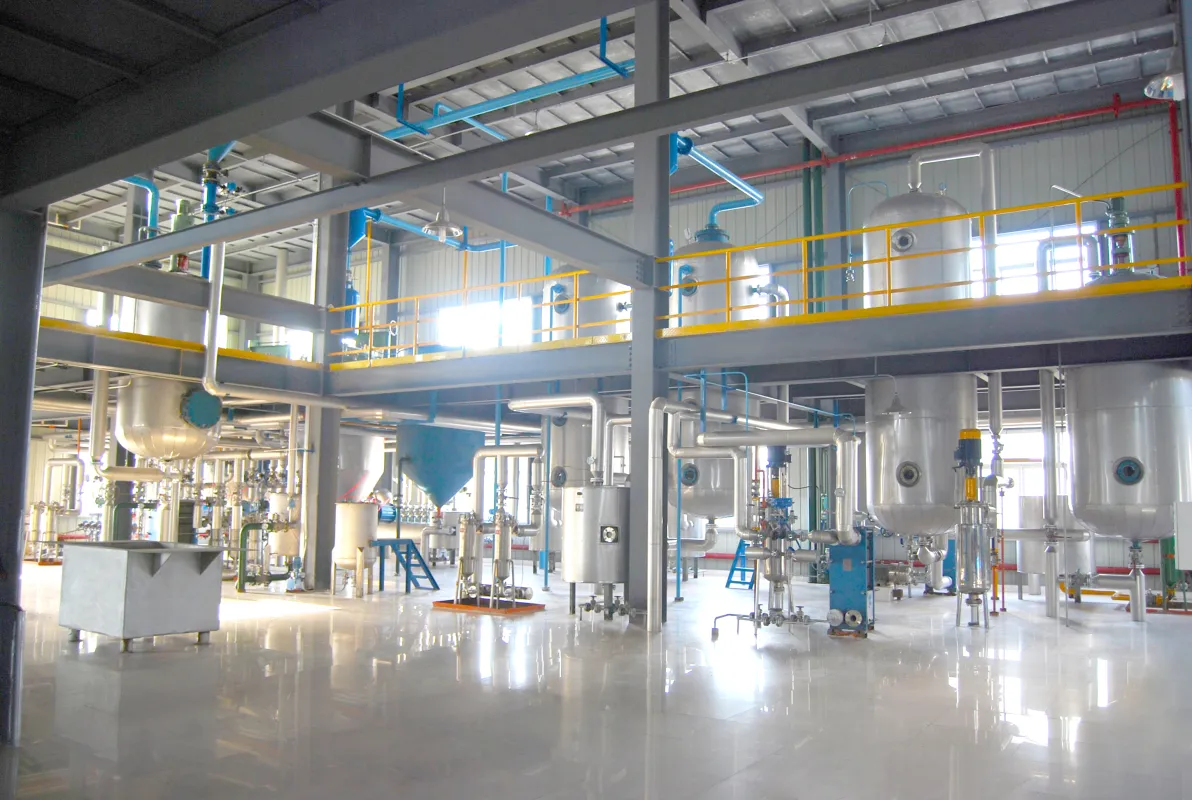
With years of experience in oil processing engineering, QIE GROUP provides mature and reliable overall construction solutions for peanut oil plant projects in Nigeria, covering process design, equipment selection, engineering implementation and technical services, helping clients build efficient, environmentally friendly and sustainable peanut oil processing plants in Nigeria.
The Nigerian peanut oil market is primarily driven by strong domestic demand, with annual consumption exceeding 200,000 tons . The product is widely used in cooking, food processing, and even cosmetics. Furthermore, regional export potential to neighboring countries such as Benin, Togo, and Ghana further enhances the industry's attractiveness. Modernized engineering in Nigerian peanut oil processing plants significantly improves production efficiency, achieving oil yields of 42-45% with advanced equipment, thereby maximizing profit margins.
Peanut oil is widely used in Nigerian households, food processing, and the catering industry. Compared to imported edible oils, locally produced peanut oil has significant advantages in freshness, price stability, and market acceptance.
Key investment drivers include:
Peanut raw material supply is sufficient and the industrial chain is mature.
Domestic consumer demand has remained stable in the long term.
Low raw material transportation costs
The government encourages agricultural product processing and local manufacturing.
Therefore, the Nigerian peanut oil plant project is very suitable for medium- to long-term large-scale investment.
.jpg)
Considering the varying financial conditions and product positioning of different investors in Nigeria, QIE GROUP recommends the following two mainstream process routes for its peanut oil factory project in Nigeria :
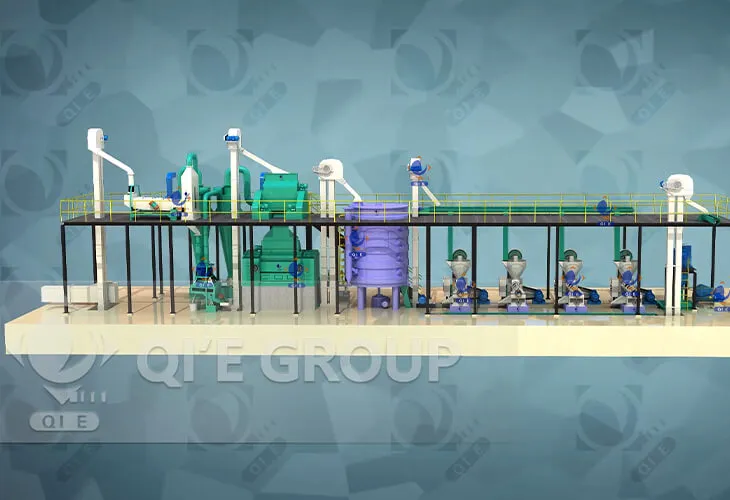
This process is suitable for the high-end market, focusing on traditional flavors and high value-added products, and is widely used in small and medium-sized peanut oil factory projects .
Process flow:
Peanut raw materials enter the factory → cleaning → crushing → high-temperature steaming and roasting (about 150°C) → screw press/small press → cold filtration or coarse filtration → light degumming → finished oil storage and packaging.
High-temperature steaming and frying induces the Maillard reaction, creating the unique nutty aroma of peanut oil, which is very suitable for making strong-flavored peanut oil products to meet the taste preferences of the Nigerian consumer market.
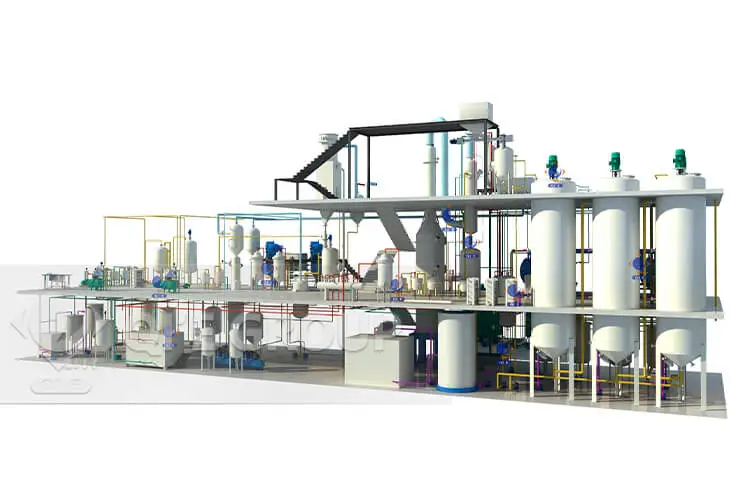
This process, with its core objectives of increasing oil yield and reducing the cost per ton of oil, is the mainstream choice for large-scale Nigerian peanut oil processing plants .
Process flow:
Raw material cleaning → Crushing → Roasting (approximately 120°C, adjustable) → Pre-pressing → Cake extraction → Desolventizing of mixed oil → Refining of crude oil → Packaging of finished oil.
This solution balances economic efficiency and stability in the construction of a peanut oil plant in Nigeria , making it suitable for large-scale supply, wholesale, and industrial oil markets.
.jpg)
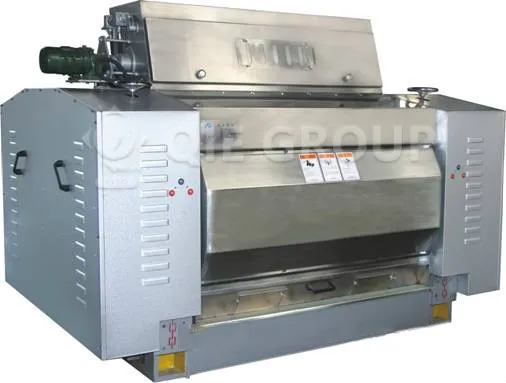
In every Nigerian peanut oil factory project, QIE GROUP customizes equipment selection based on the client's production capacity targets, budget conditions, and market positioning.
Aroma pressing solution: Low equipment investment, suitable for small and medium-sized enterprises to quickly start production;
Pre-pressing-leaching process: Higher initial investment, but lower unit processing cost and better long-term returns.
Through scientific allocation, QIE GROUP helps clients effectively control investment risks and improve overall return on investment in the construction of peanut oil factories .
Whether it's a small-to-medium-scale specialty oil project or a large-scale industrial production line, QIE GROUP can provide customers with mature and reliable overall engineering solutions for Nigerian peanut oil plants . From process design to equipment delivery and operational support, we always focus on high efficiency, low energy consumption, and long-term stable operation to help the Nigerian peanut oil industry achieve sustainable development.
*Note: All data is for reference only and may vary depending on specific project needs and market conditions. QIE GROUP recommends conducting a detailed feasibility study to obtain accurate cost and return on investment forecasts.