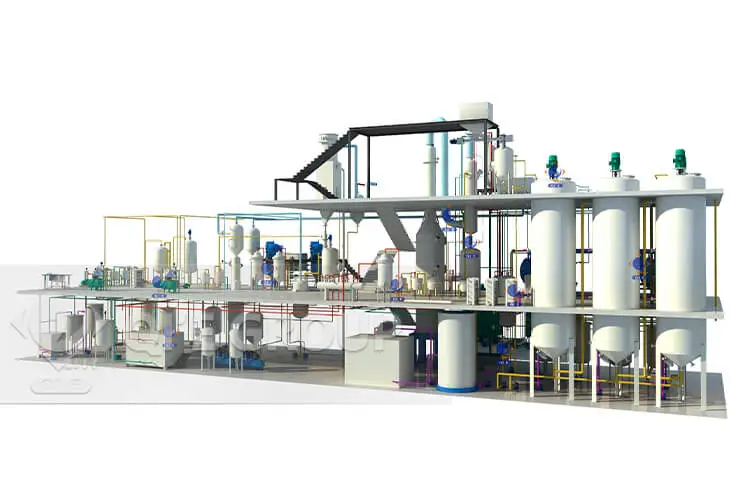
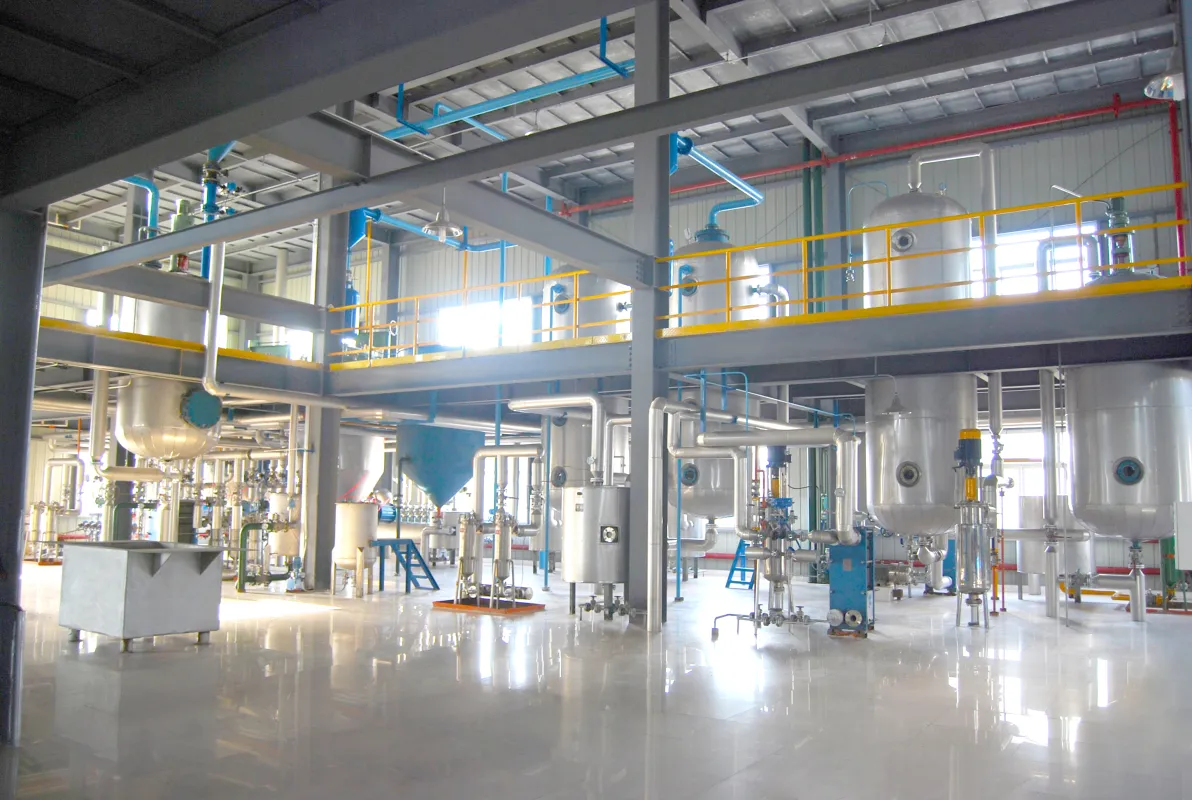
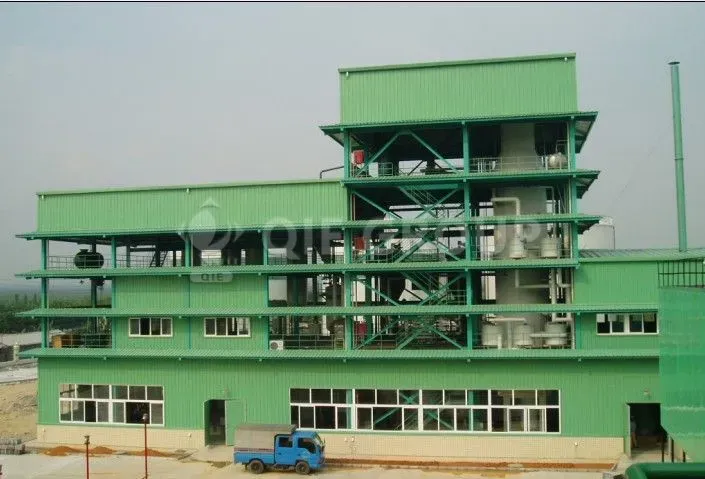
In the planning of large-scale peanut oil production lines, whether the pre-pressing-leaching combined process matches the raw material conditions, target capacity, and subsequent refining needs typically determines the overall operational stability, oil recovery logic, and the rationality of subsequent investment allocation. For investors, purchasing managers, and plant planning personnel at peanut oil processing plants, equipment selection should not only consider individual machine parameters but should involve a systematic evaluation of pretreatment, pre-pressing depth, leaching integration, filtration, and downstream refining interfaces.
QIE GROUP has long focused on complete solutions for grain and oil machinery. Around the core equipment and process nodes of a peanut oil production line , they have developed a more practical selection and judgment framework for large-scale projects, helping procurement teams to more clearly assess the matching relationships between peanut oil pretreatment machines , peanut oil presses , and pre-pressing-extraction systems.
Large-scale peanut oil processing plants are typically not just combinations of single oil press machines, but rather continuous systems comprised of raw material processing, pressing, filtration, subsequent refining, and by-product handling. Based on existing process information, peanut oil processing plants mainly include peanut oil pretreatment machines and peanut oil presses . In large-scale projects, further evaluation of the integration capabilities between the pre-pressing and solvent extraction sections is necessary.
Peanut kernels → Cleaning → Magnetic separation → Destoning → Crushing → Pressing → Steaming and roasting → Pre-pressing → Steaming and roasting → Second pressing → Filtration → Deacidification and drying → Canning. The cake after the second pressing can be further cooled and sent to the cake storage for subsequent management or connection with other processes.
Whether the peanut raw material has a shell, the content of impurities, the stone content, and the uniformity of crushing will directly affect the cleaning, stone removal, crushing, and steaming/roasting effects.
The higher the capacity of a large-scale peanut oil production line, the more it needs to consider the continuous matching of the pre-processing section, pre-pressing section, filtration section and subsequent leaching system, rather than just increasing the size of a single machine model.
Whether the cleaning screen, magnetic separator, gravity destoner, toothed roller crusher, steaming pan, and pressing machine are configured as a complete set will affect the subsequent pressing stability and equipment wear control.
The role of the pre-press is not just to "press once", but to create more suitable raw material conditions and oil distribution for subsequent leaching or secondary pressing.
If the project adopts a combined pre-pressing-leaching solution, the solvent system, safety protection, environmental protection interfaces, and on-site operating procedures must be considered simultaneously.
How does the filtered crude oil proceed to degumming, deacidification, and degreasing processes?
Refining processes such as coloring and deodorization should also reserve interfaces and capacity boundaries during the initial stage of plant construction.
When selecting large-scale peanut oil processing equipment, the pre-treatment section is not an auxiliary module, but rather the foundation that determines the smooth operation of subsequent sections. The following equipment is one of the most common parts of a peanut oil production line and is the most important to verify during the procurement stage.
| Equipment Name | Main function | Procurement Focus |
|---|---|---|
| Peanut sheller | Used for separating peanut shells and kernels, the structure includes a feed hopper, drum, blower, and sorting screen. | Whether it is suitable for the raw material condition, shelling rate, processing capacity, energy consumption and subsequent shell-kernel separation stability. |
| Cleaning screen | Remove large and small impurities, improve the production environment, and stabilize downstream processes. | Screening efficiency, continuous operation capability, ease of maintenance, and compatibility with upstream and downstream conveying equipment. |
| Magnetic separator | Remove iron impurities to reduce equipment wear and the risk of foreign objects. | Whether it is placed in a reasonable location, how convenient it is to clean, and its linkage effect with the cleaning section. |
| Gravity destoner | Remove heavy impurities such as side stones and mud lumps. | Stone removal effect, on-site dust control, and operational stability. |
| Toothed Roller Crusher | Break the peanuts into 4-8 pieces evenly to facilitate steaming, roasting, and pressing. | Uniformity of crushing, particle size control, and adaptability to subsequent softening and steaming/frying. |
| Steamer | Adjust the temperature and moisture of the peanut material to bring it into a state more suitable for pressing. | Stability of temperature and humidity regulation, heat preservation capacity, and matching with the pressing cycle. |
| pressing machine | Pressing the material into thin sheets facilitates subsequent pre-pressing or leaching. | Uniformity of molding, sheet thickness control, and whether it meets the requirements of subsequent processes. |
| Screw pre-press | It is used for the first pressing of high oil content materials, providing a basis for the pre-pressing-leaching combined process. | Pre-pressing depth, continuity, cake discharge status, and compatibility with subsequent leaching systems. |
| Screw oil press | It can perform hot or cold pressing, multi-stage pressing, and is suitable for a variety of oilseeds. | The pressing method, control configuration, ease of maintenance, and overall production capacity coordination. |
| Vertical blade filter | Remove coarse and fine residues from the oil to create conditions for subsequent fine filtration or refining. | Filtration continuity, automatic slag removal capability, filter screen material and downstream interface design. |
If cleaning, magnetic separation, destoning, crushing, and steaming/roasting are not performed properly, subsequent pre-pressing machines, pressing machines, and even the leaching system may experience load fluctuations, increased impurities, or discontinuous operation. Therefore, the investment assessment of a large-scale peanut oil production line should prioritize confirming whether the pre-processing capacity matches the designed capacity.
Pre-pressing is neither better the deeper it is, nor is it safer the shallower it is. For large-scale projects, the reasonable way to judge is to see if the state of the pre-pressed cake, the conveying conditions, and the subsequent leaching requirements are consistent, rather than looking at a single isolated indicator.
If crude oil needs to undergo deacidification and drying or enter the refining section after the residue is removed by the vertical blade filter, the interface type, material turnover method and process cycle should be confirmed at the time of plant construction to avoid repeated modifications later.
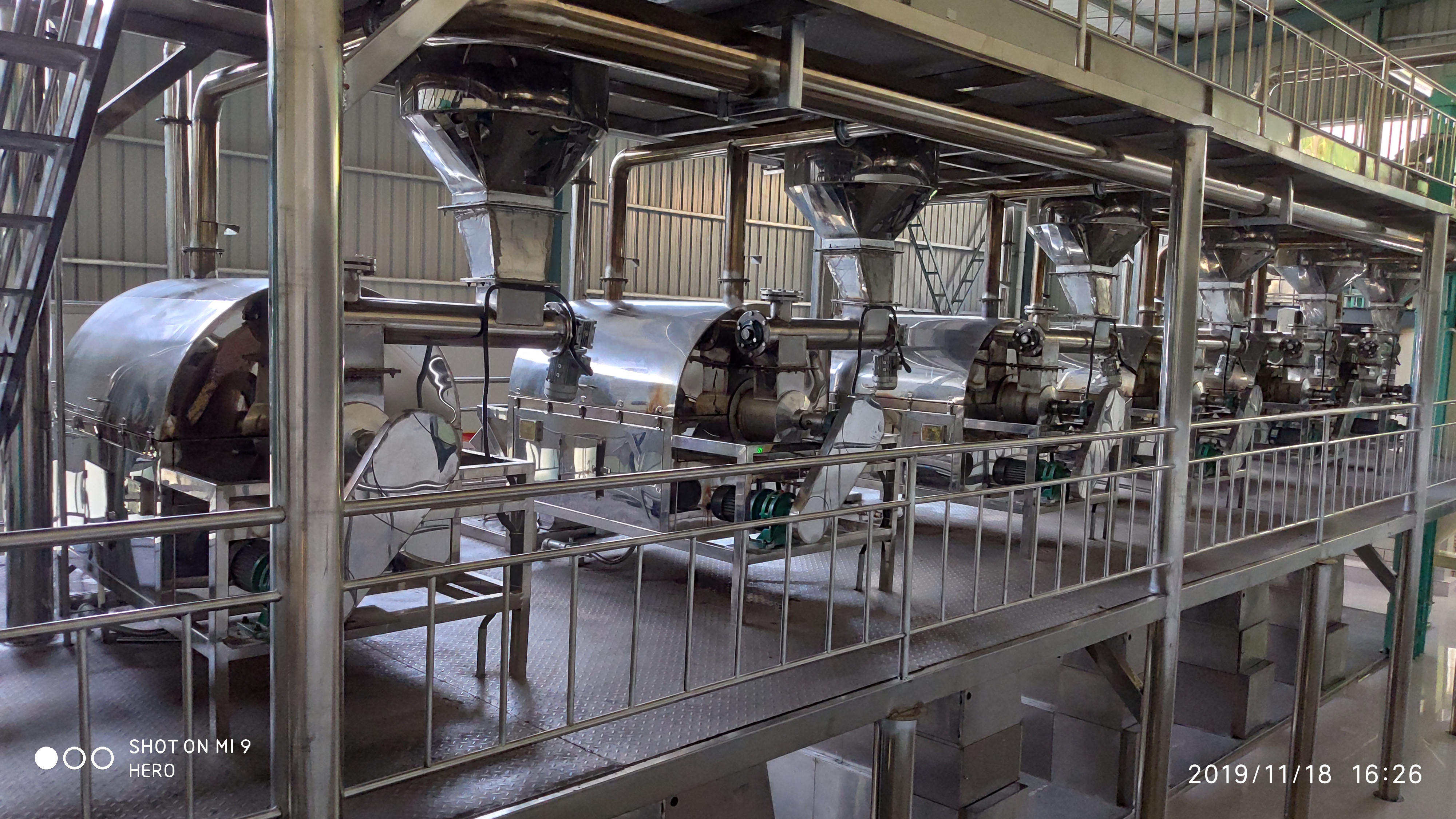
If you are evaluating a large-scale peanut oil production line, providing the equipment supplier with the following information will generally help you obtain a more practical solution:
For large-scale projects, the core of scientific equipment selection is not "the more equipment the better", but rather to ensure that pretreatment, pre-pressing, pressing, filtration, leaching and refining are connected to form a stable, clear and executable process chain.
Not necessarily. Whether to adopt a combined pre-pressing-leaching process depends on the project scale, raw material conditions, target capacity, and subsequent refining plans. For large peanut oil processing plants, pre-pressing-leaching is usually an important evaluation direction, but the final solution still needs to be determined based on actual operating conditions.
A typical peanut oil pretreatment machine configuration includes a peanut sheller, a cleaning screen, a magnetic separator, a gravity destoner, a toothed roller crusher, a steaming and roasting pan, and a pressing machine. These devices work together to clean the raw materials, control particle size, and condition the material before pressing.
It is recommended to focus on the pressing method, whether it is suitable for hot or cold pressing, the matching of the cycle time with the pre-processing section, the ease of maintenance, the control configuration, and the connection with the filtration and subsequent refining sections, rather than just looking at the price of a single unit.
Because the filtration section directly affects the removal efficiency of residues in crude oil and influences the stability of subsequent fine filtration, deacidification drying, or refining processes, vertical blade filters serve as crucial connecting equipment in continuous production.
We recommend preparing information on raw materials, target production capacity, planned process route, plant conditions, energy availability, and requirements for automation and subsequent refining. This will help Zhengzhou QIE GROUP and Oil Machinery Co., Ltd. provide more targeted configuration suggestions for peanut oil production lines.
If you are planning the design of a large-scale peanut oil processing plant, or comparing the feasibility of peanut oil pre-pressing and solvent extraction solutions, you are welcome to communicate with QIE GROUP to discuss your project requirements and procurement priorities.