What are the effects of inefficient shelling on peanut oil quality and pressing efficiency?
By comparing the problems of increased residual oil rate and decreased peanut oil quality caused by inefficient shelling, this study reveals how to significantly improve equipment stability and production efficiency through scientific adjustment of equipment parameters and implementation of effective daily maintenance.

What are the effects of inefficient shelling on peanut oil quality and pressing efficiency?
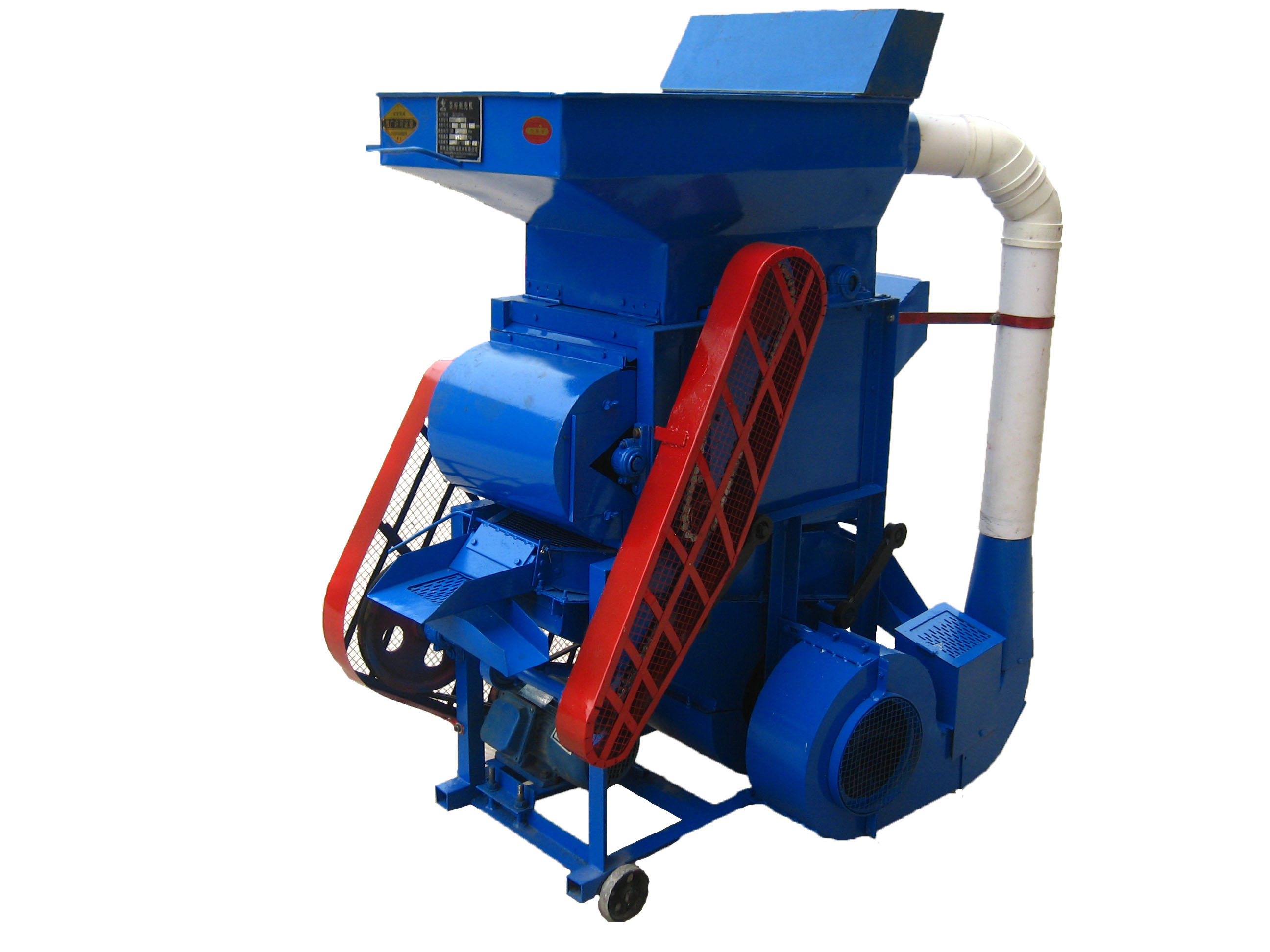
Peanut shelling machines are crucial pretreatment equipment before peanut oil pressing, and their shelling efficiency directly affects the stability of subsequent pressing processes and the quality of the oil. Based on QIE Group's years of R&D and customer service experience, and combined with real-world production cases, this article provides an in-depth analysis of how shelling parameters affect peanut shelling efficiency, thereby impacting the residual oil content and the quality fluctuations of the final peanut oil.
I. Core Parameter Analysis: Rotation Speed, Screen Mesh Diameter, and Airflow Adjustment
The three core adjustment parameters of a peanut shelling machine are crucial to the shelling quality:
| parameter |
Adjustment range |
Key Impact |
| rotational speed |
60-120 RPM |
The peeling speed affects the peeling force and uniformity; peeling too quickly can easily break the kernels, while peeling too slowly will affect the peeling rate. |
| sieve mesh size |
3-6 mm |
Controlling the size of the shelled particles affects the uniformity of crushing and the subsequent crushing rate. |
| Wind power regulation |
Wind speed 0.5-2.0 m/s |
Insufficient wind helps separate the shells from the peanut kernels, affecting the shelling rate and the percentage of oily shells. |
The above parameters need to be comprehensively adjusted to achieve the best shelling effect, ensuring uniform crushing and a shelling rate of over 95%.
II. Real Customer Case: Decreased Peeling Efficiency Leads to Uneven Pressing and Oil Loss
Feedback from a large peanut oil processing plant indicates that untimely equipment maintenance led to low shelling machine speed and screen wear, directly causing:
- The shelling rate decreased from 96.3% to 89.5%.
- Uneven peanut fragments during pressing result in insufficient oil release.
- The increase in residual oil content by approximately 2.1 percentage points results in an annual increase in fuel consumption of about 8 tons, significantly impacting economic benefits.
After QIE Group engineers intervened, they specifically adjusted the equipment speed to 105 RPM, replaced the screen with a standard 4.5 mm aperture part, and optimized the airflow to 1.3 m/s. Three weeks later, the customer's output returned to stability, the residual oil rate dropped to below 1.8%, and the quality of peanut oil steadily improved.
III. Troubleshooting and Routine Maintenance Guide
1. Recommendations for operators (frontline):
- Before starting the machine each day, check the screen for damage or blockage to ensure the aperture is standard.
- Monitor the operating sound of the shelling machine; any abnormal noises must be reported to maintenance immediately.
- Keep the fan and filter clean to prevent the airflow from weakening.
2. Workshop Supervisor (On-site Management) Recommendations:
- Establish a speed and wind cycle monitoring table to ensure that key parameters meet process specifications.
- Regularly organize analyses of peeling rates and pressing quality to identify potential equipment malfunctions.
- The maintenance team was coordinated to replace the screens and lubricate the bearings to prevent equipment aging from causing deterioration in operating conditions.
3. Management (Decision-Making) Recommendations:
- Invest the necessary budget in upgrading and training the pretreatment equipment to reduce equipment downtime.
- By combining big data analytics services provided by QIE Group, intelligent monitoring of equipment operation can be achieved.
- Regularly conducting technical exchanges among employees improves their operational proficiency, leading to a 5%-10% increase in overall production efficiency.
IV. Multimedia Strategies to Facilitate Knowledge Dissemination and User Participation
To help customers better understand and apply shelling machine technology, QIE Group has implemented a multi-channel approach to knowledge dissemination, combining illustrated tutorials, short video demonstrations, and online Q&A sessions.
- Detailed Explanation (with Images and Text): Clear Analysis of Equipment Adjustment Procedures and Common Fault Diagnosis
- Short video tutorials: Live operation demonstrations to help frontline operators quickly master the skills.
- Online interactive Q&A: Answering customer questions about improving shelling rate and controlling residual oil content during pressing.
This move significantly improved customer loyalty and the efficiency of technology promotion, and also enhanced the professional image of the QIE brand in the peanut oil processing industry.