Improving peanut oil processing efficiency is not simply about increasing production capacity or installing larger machines. In modern peanut oil processing plants, efficiency is achieved by maximizing oil recovery, reducing energy consumption, minimizing production downtime, and maintaining consistent oil quality throughout the entire production process.
For most peanut oil manufacturers, the biggest efficiency gains come from optimizing raw material pretreatment, selecting properly matched equipment, balancing each production stage, and applying stable process control instead of relying on individual equipment upgrades. Whether operating a small mechanical pressing plant or a large industrial processing facility, improving the coordination of the entire production line often delivers greater long-term benefits than increasing machine capacity alone.
This guide explains the key factors affecting peanut oil processing plant efficiency, practical methods to optimize production performance, common operational bottlenecks, and a real engineering project that demonstrates how to improve peanut oil processing efficiency in commercial production.
Many producers associate efficiency with higher production output. In reality, peanut oil processing efficiency is a comprehensive indicator that reflects how effectively raw peanuts are converted into high-quality edible oil while controlling production costs and maintaining stable operation.
A highly efficient peanut oil processing plant should achieve several objectives simultaneously:
Because these objectives influence one another, improving only one production stage rarely produces significant overall gains. For example, installing a larger screw oil press cannot compensate for poor raw material cleaning or uneven roasting. Likewise, advanced automation cannot fully improve efficiency if equipment capacities are poorly matched throughout the production line.
Therefore, when discussing how to increase peanut oil production efficiency, engineers evaluate the entire processing system rather than focusing on a single machine. Every stage—from raw material preparation to oil filtration—must operate in a balanced and coordinated manner.
Although every peanut oil processing plant operates under different production capacities and market requirements, engineering experience shows that five factors have the greatest influence on overall efficiency.
No production line can consistently achieve high efficiency when processing low-quality peanuts. Raw material quality directly affects oil yield, equipment stability, processing costs, and finished oil quality.
Before entering the processing line, peanuts should be carefully evaluated for:
Impurities such as stones, metal fragments, dust, and damaged kernels not only reduce extraction efficiency but also accelerate equipment wear and increase maintenance requirements. Excessive moisture may lower pressing efficiency, while peanuts that are too dry can increase kernel breakage and reduce oil recovery.
For this reason, modern peanut oil processing plants typically include a complete cleaning and pretreatment section before roasting and pressing. Stable raw material preparation provides the foundation for efficient downstream processing.
Many manufacturers focus on the oil press itself while overlooking pretreatment, yet this stage has one of the greatest influences on overall plant performance.
Pretreatment normally includes:
Among these processes, roasting is particularly important for producing premium aromatic peanut oil. Proper temperature and residence time help release natural peanut flavor while reducing moisture to the optimal level for mechanical pressing.
Uniform pretreatment also ensures consistent material flow into the screw press, reducing fluctuations in oil yield and minimizing unnecessary equipment load. A well-designed pretreatment system allows the entire production line to operate more smoothly, improving both productivity and finished oil quality.
Many peanut oil producers believe replacing the oil press with a larger model will automatically improve production efficiency. In practice, this approach rarely solves the problem.
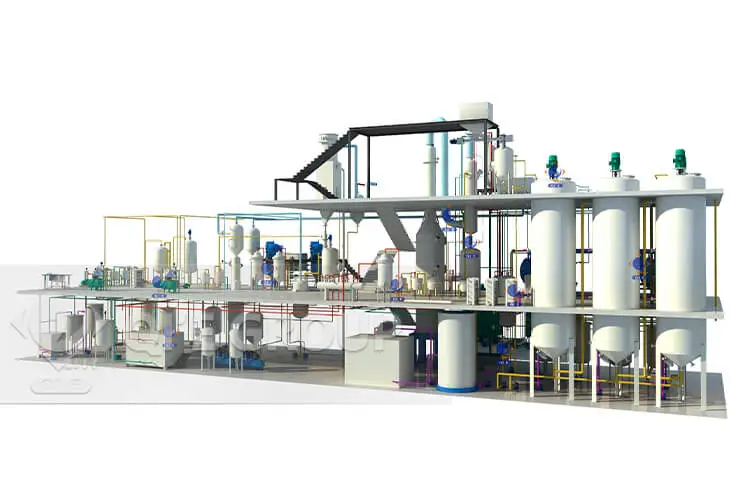
A peanut oil processing plant functions as an integrated production system. If one section processes material faster than the next stage can handle, bottlenecks quickly develop. Raw materials accumulate between processes, equipment operates under unstable loads, and unnecessary downtime becomes more frequent.
For example, increasing the capacity of the screw press without upgrading the roasting system may result in insufficient conditioning time. Likewise, a high-capacity pretreatment line cannot achieve higher throughput if the filtration system becomes the limiting factor.
To improve peanut oil processing plant efficiency, every section of the production line should be designed with balanced processing capacities, including:
When equipment capacities are properly matched, materials flow continuously throughout the production process, reducing idle time and improving equipment utilization. In many projects, optimizing equipment balance delivers greater efficiency improvements than replacing individual machines.
Even with advanced equipment, unstable operating conditions can significantly reduce production efficiency.
Several process parameters directly influence oil recovery and operating stability, including:
Small fluctuations in these parameters may not immediately stop production, but they gradually reduce oil yield, increase residual oil in the cake, and cause inconsistent product quality.
Modern peanut oil processing plants increasingly adopt automatic temperature control, frequency-controlled feeding systems, and PLC-based process monitoring to maintain stable production conditions. These technologies help operators respond quickly to process variations while reducing dependence on manual adjustments. Stable process control not only improves oil extraction efficiency but also lowers steam and electricity consumption, contributing to reduced operating costs over the long term.
Unexpected equipment failures are among the most common causes of low processing efficiency.
Many plants continue operating equipment until serious failures occur. Although this approach may reduce short-term maintenance costs, it usually leads to longer production interruptions, expensive repairs, and higher overall operating expenses. A preventive maintenance program should include regular inspection of:
Routine maintenance also allows operators to identify abnormal vibration, temperature increases, or unusual noise before equipment performance deteriorates. Instead of reacting to failures, successful peanut oil processors schedule maintenance during planned production breaks, minimizing downtime while extending equipment service life.
Improving peanut oil processing efficiency requires continuous optimization rather than one-time equipment upgrades. Based on engineering experience from commercial edible oil projects, the following strategies consistently deliver measurable improvements.
Improve Raw Material Preparation
Clean, uniform peanuts create stable processing conditions throughout the production line. Investing in efficient cleaning, destoning, grading, and moisture control often generates higher returns than increasing pressing capacity alone.
Optimize Roasting Conditions
For aromatic peanut oil production, roasting directly affects both oil quality and extraction efficiency. Maintaining stable roasting temperature and residence time improves oil release while preserving the natural flavor preferred by consumers.
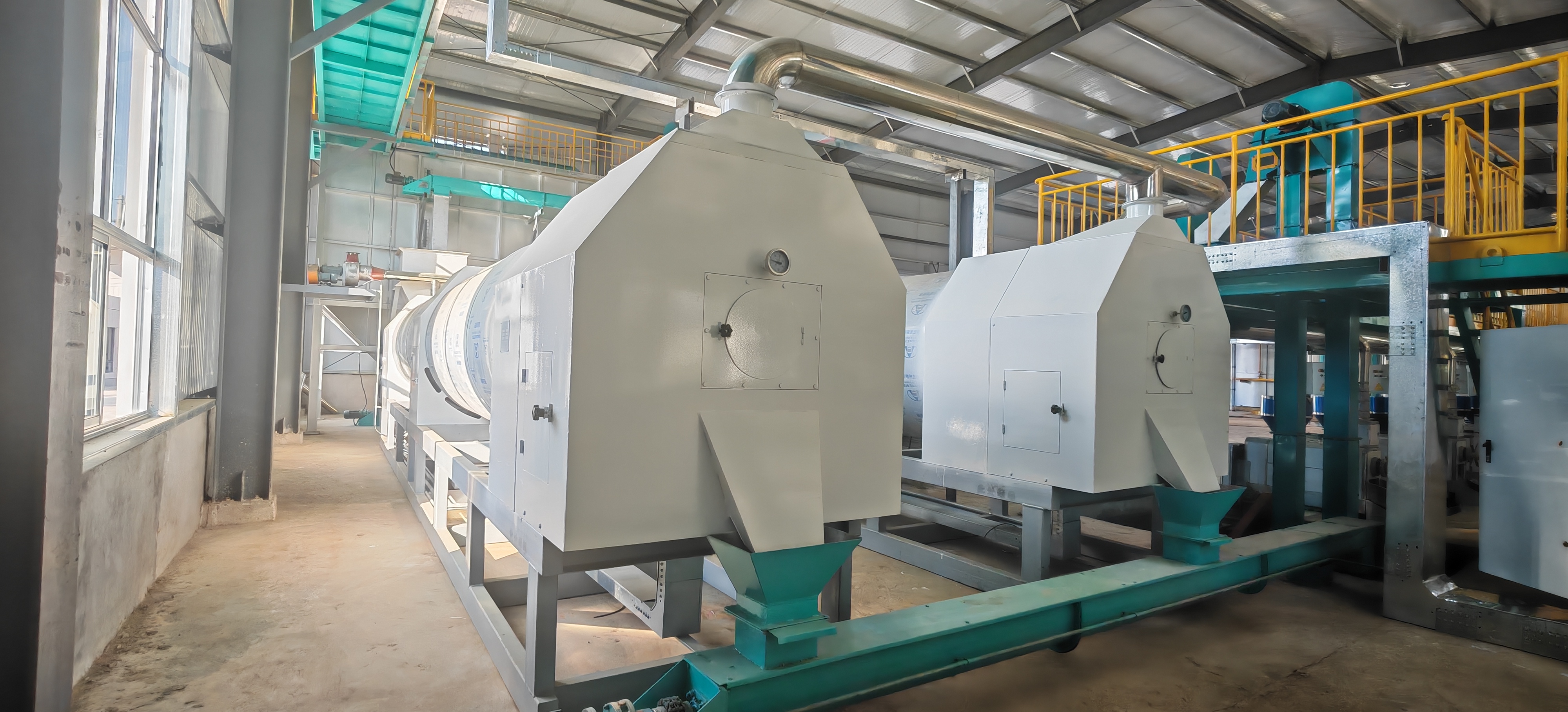
Balance Every Production Stage
Production efficiency should be evaluated across the entire processing line rather than individual machines. Matching equipment capacities helps eliminate bottlenecks and ensures continuous material flow.
Reduce Unplanned Downtime
Implement preventive maintenance schedules, maintain adequate spare parts inventory, and train operators to identify potential equipment issues before failures occur.
Introduce Process Automation
Automatic temperature control, intelligent feeding systems, and centralized PLC monitoring improve production consistency while reducing operator intervention.
Monitor Production Data
Tracking indicators such as oil yield, residual oil content, steam consumption, electricity usage, and equipment operating hours allows plant managers to identify inefficiencies and continuously optimize production performance. Rather than relying on experience alone, data-driven management enables more accurate operational decisions and sustainable efficiency improvements.
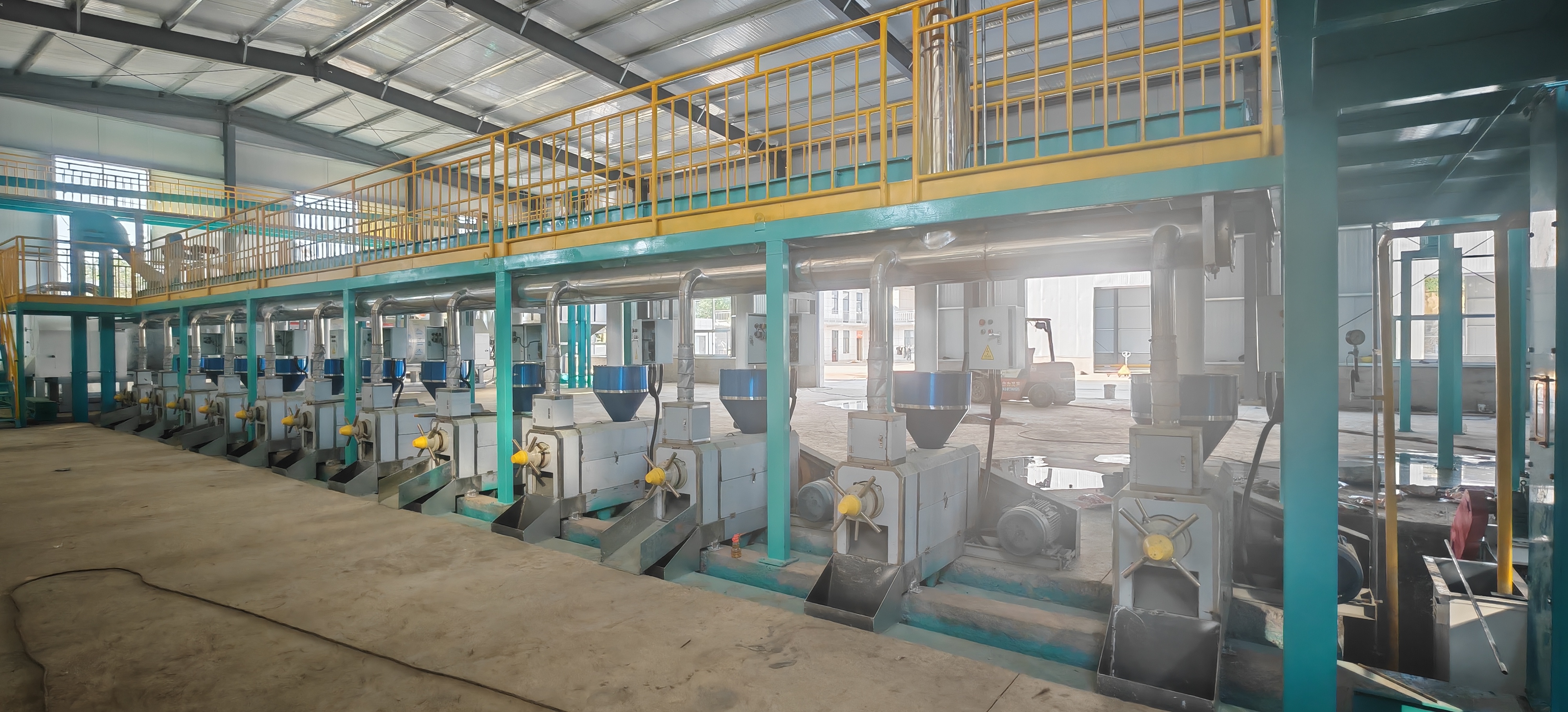
Even modern production lines may experience efficiency losses if bottlenecks are not identified promptly. Some of the most common operational problems include:
| Common Problem | Impact on Production |
|---|---|
| High impurity content in raw peanuts | Increased equipment wear and unstable production |
| Inconsistent roasting temperature | Lower oil yield and uneven product quality |
| Uneven feeding to the screw press | Capacity fluctuations and higher residual oil |
| Poor equipment capacity matching | Material accumulation and production delays |
| Delayed maintenance | Unexpected shutdowns and higher repair costs |
| Excessive manual operation | Inconsistent production parameters and lower efficiency |
Instead of treating these issues independently, engineers should analyze the complete production process to identify the root causes. In many cases, relatively small adjustments to pretreatment, process control, or equipment coordination can significantly improve overall plant performance without increasing production capacity.
A peanut oil producer in Nigeria planned to expand production while maintaining the traditional roasted peanut flavor preferred by the local market. However, the existing production process faced several efficiency challenges, including unstable roasting conditions, inconsistent feeding during pressing, and frequent production interruptions caused by uneven process coordination.
Instead of simply installing larger equipment, the project focused on optimizing the entire production process. The upgraded production line included:
The automatic cleaning system removed impurities before processing, reducing equipment wear and ensuring more stable production. During pretreatment, the continuous roasting system maintained uniform temperature and residence time, allowing the peanuts to reach optimal pressing conditions while preserving their natural roasted aroma.
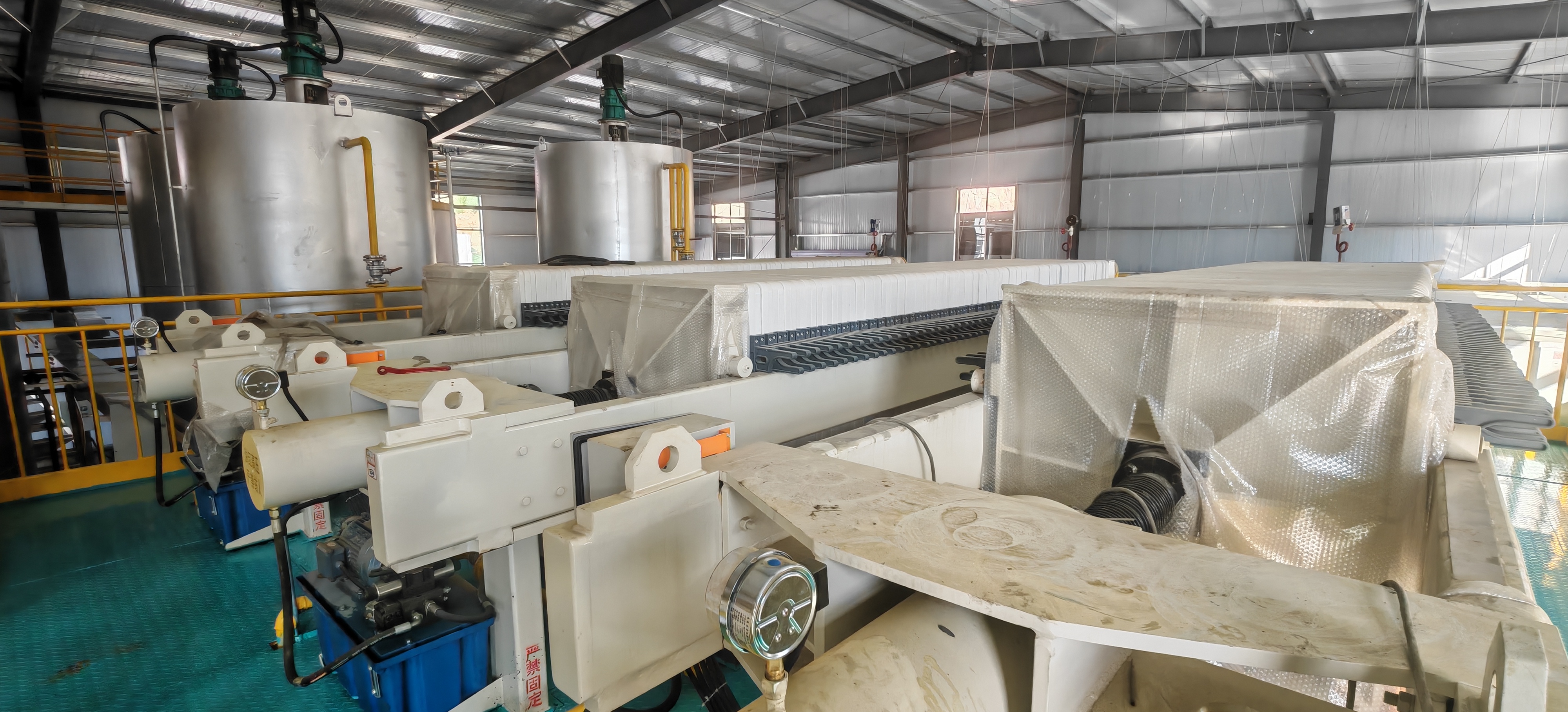
The screw pressing section was carefully matched with the upstream pretreatment capacity, ensuring stable material flow throughout production. After pressing, the oil entered a physical cold filtration system that removed suspended impurities without chemical additives, helping retain the natural flavor and appearance of premium peanut oil.
As a result, the plant achieved smoother continuous operation, improved oil quality consistency, lower maintenance requirements, and more stable overall production efficiency.
This project demonstrates that how to improve peanut oil processing efficiency is not simply a matter of increasing production capacity. In many cases, optimizing process coordination, equipment matching, and operating stability produces greater long-term benefits than replacing individual machines. The project combined a 50 TPD cleaning and pretreatment line, continuous roasting, screw pressing, and a 20 TPD cold filtration system to improve product consistency while supporting continuous industrial production. These process features are consistent with the engineering configuration and operational objectives described in the project documentation.

Before investing in new equipment, plant managers should evaluate whether the existing production line is operating at its full potential.
| Priority | Recommended Action | Expected Benefit |
|---|---|---|
| ★★★★★ | Improve raw material cleaning and pretreatment | Higher oil yield and stable production |
| ★★★★★ | Optimize roasting temperature and moisture control | Better oil extraction and product quality |
| ★★★★★ | Match equipment capacity across the production line | Eliminate bottlenecks and increase throughput |
| ★★★★☆ | Implement preventive maintenance | Reduce unplanned downtime and repair costs |
| ★★★★☆ | Introduce automatic process control | Improve production consistency and reduce labor |
| ★★★★☆ | Monitor production data regularly | Support continuous process optimization |
| ★★★☆☆ | Train operators on standard operating procedures | Minimize operational errors and improve equipment utilization |
Following these priorities often delivers measurable improvements without requiring major investments in new machinery. For many peanut oil processing plants, optimizing existing production processes provides a faster return on investment than expanding production capacity.

Improving peanut oil processing efficiency requires a systematic approach rather than isolated equipment upgrades. Every stage of the production process—from raw material cleaning and pretreatment to roasting, pressing, filtration, and process control—contributes to the overall performance of the plant.
Manufacturers seeking to improve peanut oil processing plant efficiency should focus on balancing the entire production line, maintaining stable operating conditions, and using reliable data to guide continuous optimization. When equipment is properly matched and production parameters remain consistent, plants can achieve higher oil recovery, lower operating costs, reduced downtime, and more consistent product quality.
Whether you operate a small mechanical pressing workshop or a large industrial processing facility, improving production efficiency is ultimately about optimizing the complete processing system rather than individual machines. A well-designed production line not only increases productivity but also creates long-term value through stable operation, energy savings, and higher-quality edible oil.
In many cases, efficiency can be improved by optimizing raw material preparation, adjusting roasting conditions, balancing production capacities, and implementing preventive maintenance. These measures often deliver significant performance improvements before equipment replacement becomes necessary.
The most influential factors include raw material quality, pretreatment, equipment matching, process control, and maintenance. Because these stages are interconnected, improving only one process rarely produces the best overall results.
Automation improves production consistency and reduces manual intervention, but its effectiveness depends on proper process design. If bottlenecks remain elsewhere in the production line, automation alone cannot maximize efficiency.
Maintain stable roasting temperatures, control raw material moisture, ensure continuous feeding during pressing, and monitor key production parameters. Improving process stability allows plants to increase efficiency without compromising the flavor, color, or quality of the finished peanut oil.
In most cases, yes. A balanced production line with properly matched equipment enables continuous material flow, reduces bottlenecks, and achieves higher overall efficiency than replacing individual machines independently.
Our expert engineering team is ready to help you upgrade your processing line, eliminate operational bottlenecks, and maximize your oil yield. Get a custom solution today.
Contact Our Engineers