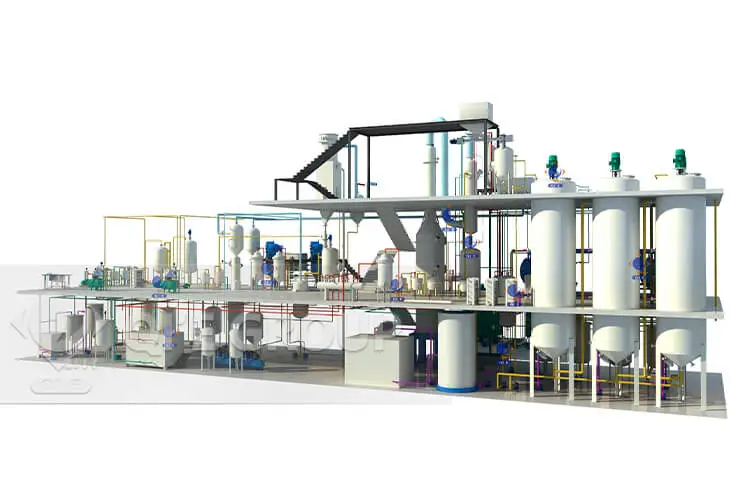
For commercial groundnut oil millers, the profitability of the plant hinges on one critical factor: Peanut Oil Extraction Yield. Since peanuts are high-oil content seeds (45-55%), achieving a residual oil rate of less than 0.8% requires a strategic combination of mechanical pressing and chemical extraction.
1. Advanced Cleaning & Precision Dehulling
The first step to minimizing oil loss starts before the press. Removing shells is essential—peanut hulls contain virtually no oil but absorb valuable lipids during processing. Our High-Efficiency Impact Dehullers and Kernel-Shell Separators ensure that only clean kernels enter the line, increasing the overall capacity and oil yield while producing high-protein peanut meal.
2. Thermal Conditioning & Moisture Control
To maximize oil flow, the biological structure of the peanut must be "softened." Our Vertical Steam Conditioners adjust the moisture (typically to 1.5%-2.5%) and temperature (120°C-130°C). This process reduces the viscosity of the oil and makes the protein cells more elastic, which is vital for effective mechanical expulsion.
3. Optimized Pre-Pressing for Solvent Readiness
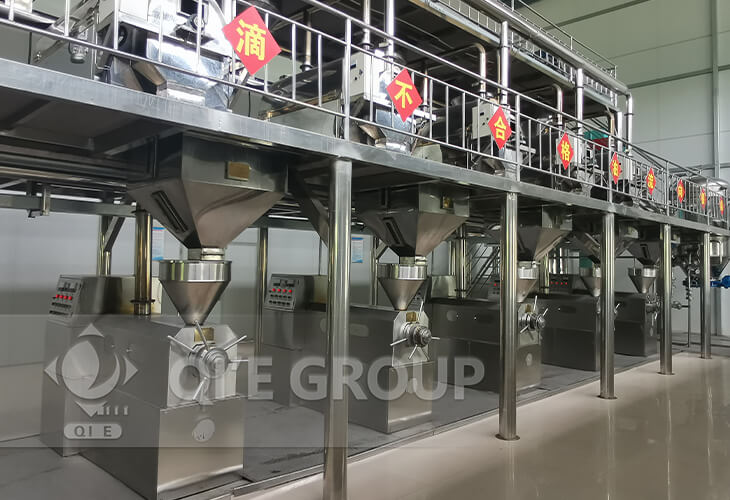
In large-tonnage plants, we utilize Heavy-Duty Screw Oil Presses for "Pre-pressing." The goal is to extract 70-80% of the oil mechanically, leaving a porous "cake" with 16-20% residual oil. This cake is perfectly structured for the next stage: Solvent Extraction.
4. High-Efficiency Loop-Type Solvent Extraction
The Solvent Extraction Plant is where the true "Zero-Residual" goal is achieved. By using n-Hexane in a counter-current wash within our Rotocel or Loop-type Extractors, we reduce the Residual Oil in Peanut Cake to ≤ 0.8%. This recovery level is unattainable through mechanical pressing alone.
5. Continuous Refining for Premium Quality
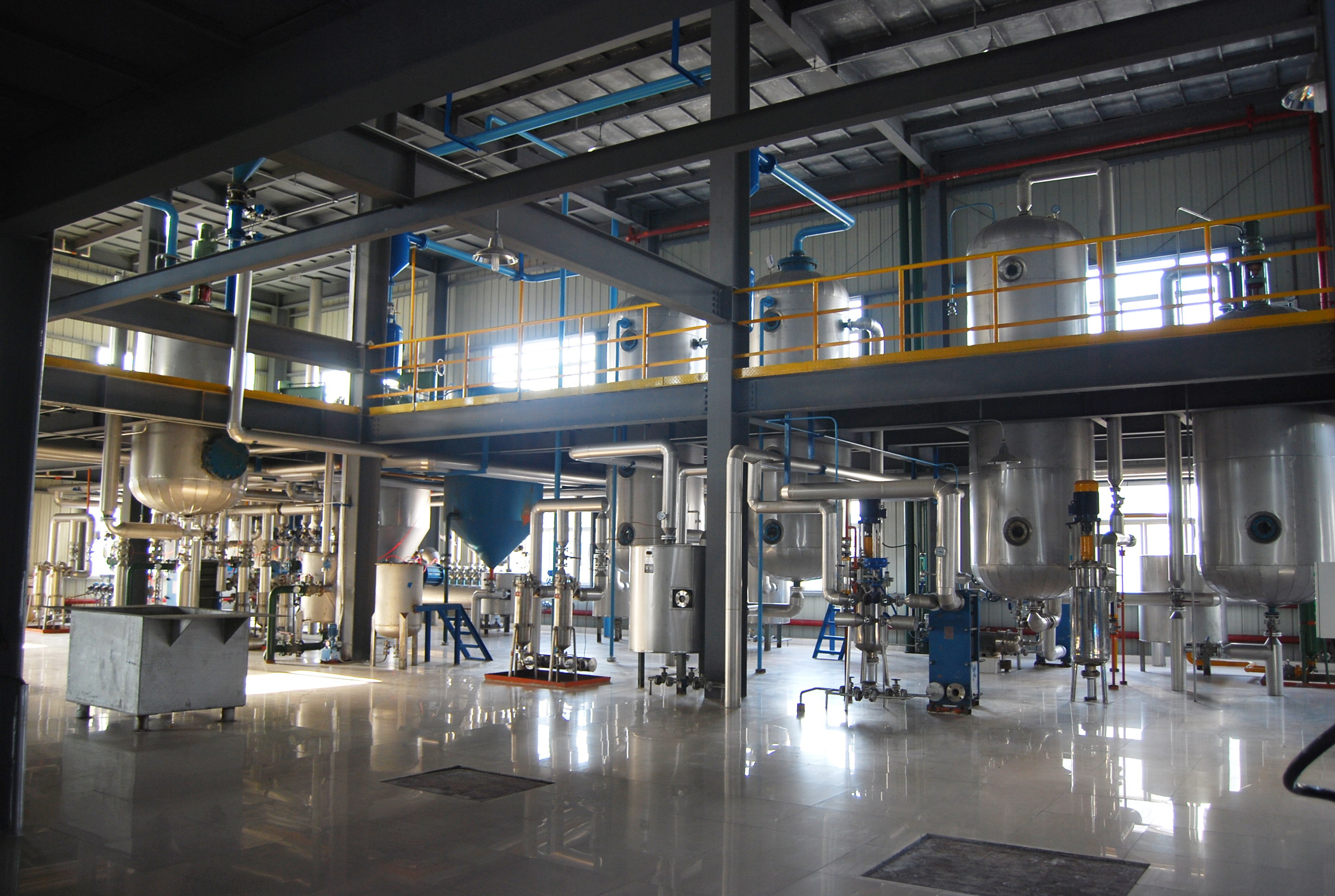
Maximizing yield also means minimizing refining loss. Our Continuous Refining Lines (Degumming, Neutralizing, Bleaching, Deodorizing) use high-vacuum steam stripping and centrifugal separation to remove impurities without stripping away neutral oil, ensuring your end product meets the highest global edible oil standards.
Expert FAQ for Peanut Oil Millers
Q1: What is the optimal residual oil rate for a peanut extraction plant?
A: For professional industrial plants, the benchmark is ≤ 0.8% residual oil in the meal. This ensures the highest possible ROI for large-scale operations.
Q2: Why use the pre-pressing + extraction combo for peanuts instead of direct extraction?
A: Since peanuts have high oil content (over 45%), direct solvent extraction is inefficient. Pre-pressing removes the bulk of the oil mechanically, reducing the solvent load and energy costs of the extraction system.
Q3: How much solvent is lost during the peanut extraction process?
A: Our advanced Negative Pressure Evaporation and Cryogenic Recovery Systems keep solvent consumption at approximately 1.5 kg per ton of raw material.
Q4: Can I produce cold-pressed peanut oil with this system?
A: Yes. By bypassing the high-temperature cooker and utilizing our Low-Temperature Screw Presses, you can produce virgin cold-pressed oil while sending the remaining cake for high-efficiency extraction.
Q5: What determines the market value of peanut meal?
A: The two main factors are protein content and residual solvent. Our DTDC Desolventizing system ensures the meal is safe, dry, and protein-rich, making it a premium animal feed additive.