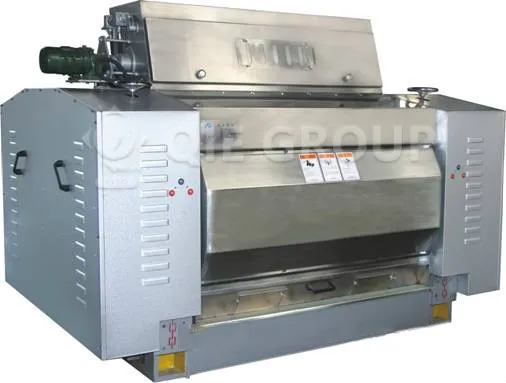
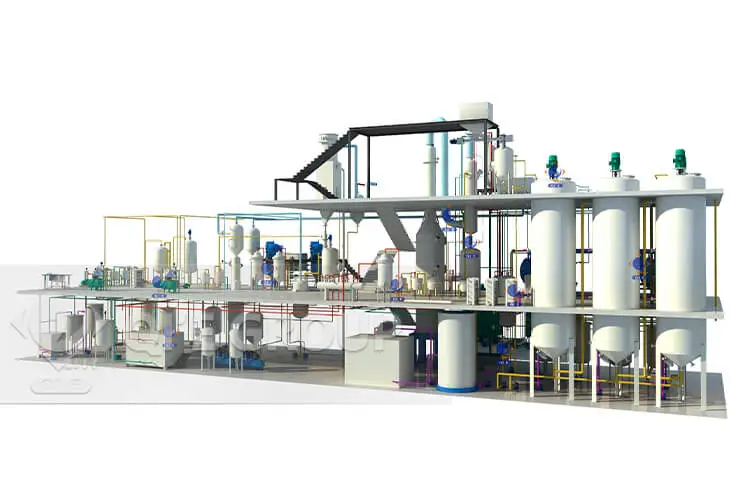
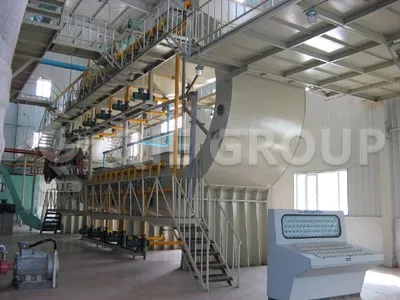
For customers looking to enter the flavored peanut oil market, the key is not just "extracting oil," but finding the right balance between oil yield, aroma, color, and stability . Based on its experience in peanut oil production lines, QIE GROUP has developed a process approach suitable for small-scale aromatic peanut oil projects, focusing on the configuration of peanut oil pretreatment machines , peanut oil presses , and downstream coarse filtration and light degumming processes.
Peanuts are a high-oil-content oilseed, typically containing about 45-55% oil. For small factories, if the goal is to produce peanut oil with a more pronounced aroma suitable for gift channels or high-end retail , they usually focus more on heat treatment temperature, pressing methods, and post-processing intensity, rather than simply pursuing maximum production capacity.
Purchasing considerations: When selecting a peanut oil production line, customers typically evaluate raw material compatibility, equipment footprint, labor requirements, finished product positioning, subsequent filtration methods, and whether the natural aroma of peanuts needs to be preserved. Different target markets have significantly different process requirements.
Small-scale aromatic peanut oil production typically follows a process of "cleaning—crushing—high-temperature steaming and roasting—pressing—coarse filtration—light degumming." The key to this approach is to allow the peanuts to develop a more prominent nutty aroma at the appropriate temperature, while preserving the natural flavor of the oil as much as possible.
In small-scale aromatic peanut oil production, equipment configuration should not be overly complex, but must ensure stability, ease of cleaning, and controllability. Zhengzhou QIE GROUP and Oil Machinery Co., Ltd. can provide suitable peanut oil production line solutions based on production capacity, raw material characteristics, and product positioning.
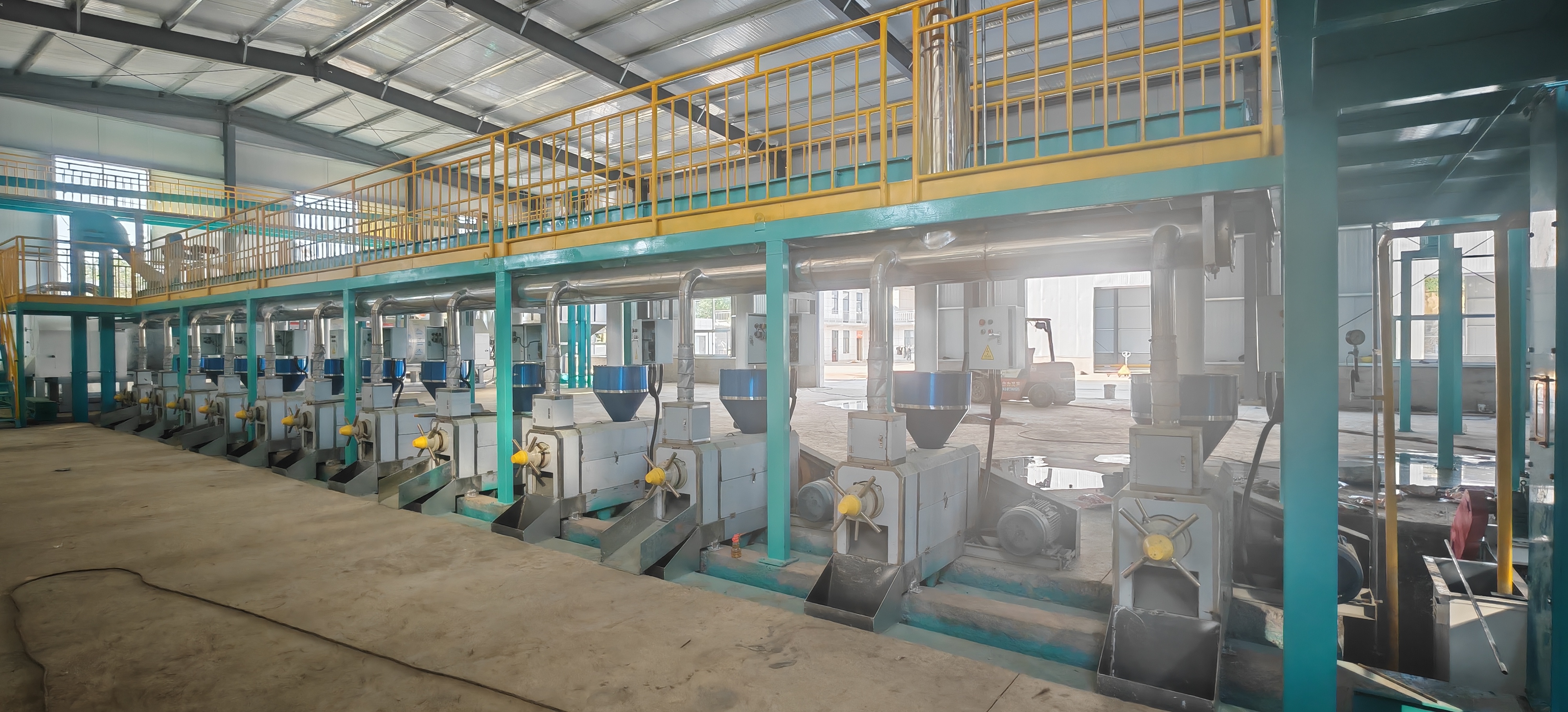
The key to flavorful peanut oil lies in the combination of steaming, roasting, and pressing. Too low a temperature results in a weak aroma; too high a temperature may introduce a burnt flavor or affect the oil's stability. In actual projects, adjustments are typically made based on the moisture content of the raw materials, the variety, and the target aroma profile.
If customers want to produce more aromatic peanut oil with a more pronounced flavor , small-scale pressing is usually more direct; if customers are looking for greater overall oil yield and subsequent refining capabilities, a combined pre-pressing-extraction approach can be evaluated. The two approaches have different focuses and are suitable for different scenarios.
1. Positioning of refined oil products
Whether to produce a strong aroma type, a light aroma type, or to prepare for full refining later needs to be clarified at the beginning of the plan.
2. Production capacity
Equipment selection should be matched with raw material processing capacity, shift schedule, and manpower allocation.
3. Flavor and stability
If flavor is the priority, over-refining should be avoided; if shelf life is the priority, filtration and refining intensity should be increased.
4. Site conditions
The size of the factory, power supply, steam conditions, and ventilation conditions all affect the layout and equipment configuration.
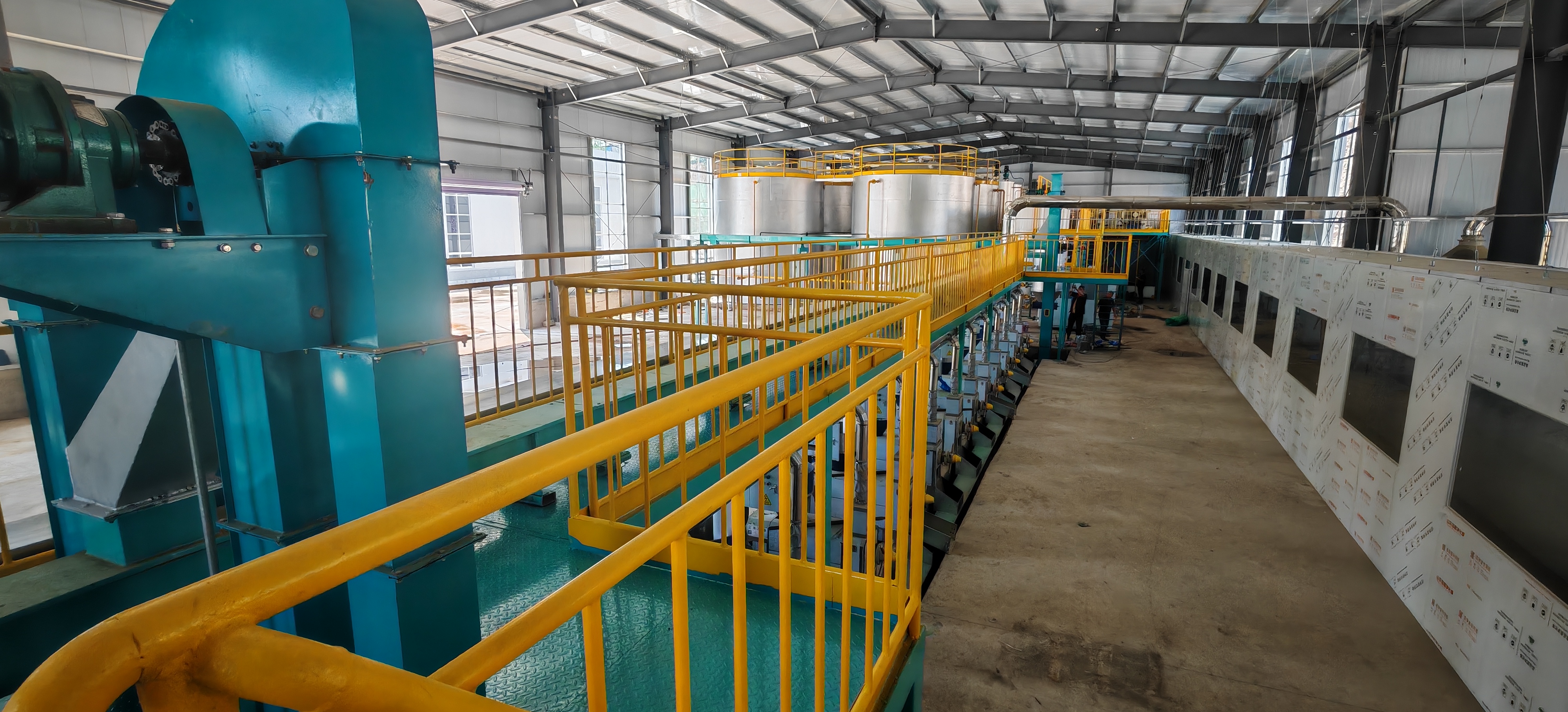
Founded in 1999, QIE GROUP specializes in the research, development, manufacturing, installation, commissioning, and after-sales service of grain and oil machinery and equipment. For peanut oil production lines, the company can provide equipment combination suggestions from pre-processing to pressing and filtration, tailored to customer needs, helping them to more clearly define their project path.
Typically, this consists of a peanut oil pretreatment machine and a peanut oil press . The former determines the state of the raw materials and the steaming and roasting effect, while the latter determines the pressing stability and crude oil quality.
High-temperature steaming and roasting helps regulate the moisture and structure of peanuts, making it easier to release oils and also helps to create a more pronounced peanut aroma.
Richly aromatic peanut oil emphasizes preserving its natural flavor and is usually produced by coarse filtration or light degumming after pressing; Grade A peanut oil requires a more complete refining process, including degumming, deacidification, decolorization and deodorization.
Yes, but it depends on factors such as production capacity, labor, and budget. For start-up projects, a simple and easy-to-operate solution is usually more suitable; if future expansion is planned, upgrade space can also be reserved.
You can submit your requirements based on the type of raw materials, daily output target, finished oil positioning, and plant conditions. The QIE team will then provide more suitable peanut oil production line configuration suggestions.
Do you need a customized peanut oil production line solution?
If you are planning a small-scale aromatic peanut oil production project, please contact our team. We will provide you with professional equipment selection and process advice based on your target market needs.