When building a peanut oil production line in Sudan, the equipment purchase price is only one part of the investment model. For long-term operating profit, the key factors to evaluate are peanut oil content, pressing yield, cake residual oil content, extraction residual oil content, refining losses, energy consumption, and production line stability.
QIE GROUP combines peanut oil pretreatment machines, peanut oil press machines, solvent extraction equipment, and complete refining equipment to provide customized process solutions for investors in Sudanese peanut oil processing plants, helping projects make clearer equipment selection decisions between flavored oil markets, standard grade-1 oil markets, and large-scale industrial production.
Peanuts are an oilseed with a high oil content, typically around 45%–55%. Under the same raw material cost, every additional amount of oil recovered by the production line directly affects finished oil output, meal value, unit processing cost, and investment payback period.
Determines the theoretical upper limit of extractable oil. Sudan projects should pay attention to peanut variety, moisture content, impurity level, and storage conditions.
Affects crude oil output and residual oil in the cake. The choice of screw oil press, hydraulic oil press, or pre-press changes the profit structure.
Large-capacity projects usually adopt a pre-pressing plus solvent extraction process, aiming to improve overall oil recovery and reduce ton processing cost.
Degumming, deacidification, decolorization, and deodorization affect finished oil yield, quality stability, and energy expenses.
Different investment goals call for different equipment configurations. Small-capacity fragrant pressing is more suitable for premium oils with stronger aroma and flavor differentiation, while large-capacity pre-pressing, extraction, and refining processes are better suited to projects focused on oil recovery, continuous production, and standardized finished oil supply.
| Comparison Dimension | Fragrant Pressing Process | Pre-pressing and Extraction Process |
|---|---|---|
| Typical Process | Cleaning → Crushing → High-temperature roasting at about 150°C → Pressing with a small press or screw oil press → Cold filtration or light refining → Packaging | Cleaning → Crushing → Adjustable roasting at about 120°C → Pre-pressing → Extraction → Miscella desolventizing → Refining → Packaging |
| Product Positioning | Fragrant, premium flavor oil, suitable for consumer markets that value aroma and natural flavor | Standard grade-1 oil or industrial oil, suitable for food service, household cooking, and food processing needs |
| Oil Yield Performance | Fragrant pressing yield is about 35%–40%, with cake residual oil content of about 6%–8% | Pre-pressing yield is about 30%–35%, with pre-pressed cake residual oil content of about 16%–20%; after extraction, residual oil can be ≤0.8% (depending on project configuration) |
| Core Value | Highlights peanut oil aroma, color, and flavor differentiation | Improves overall oil recovery and reduces long-term ton-processing cost |
| Key Procurement Points | Roasting temperature control, press chamber pressure, low-temperature pressing control, filtration method, flavor retention | Pre-press stability, extractor type, solvent recovery, DTDC desolventizer-toaster, refining energy consumption, and safety management |

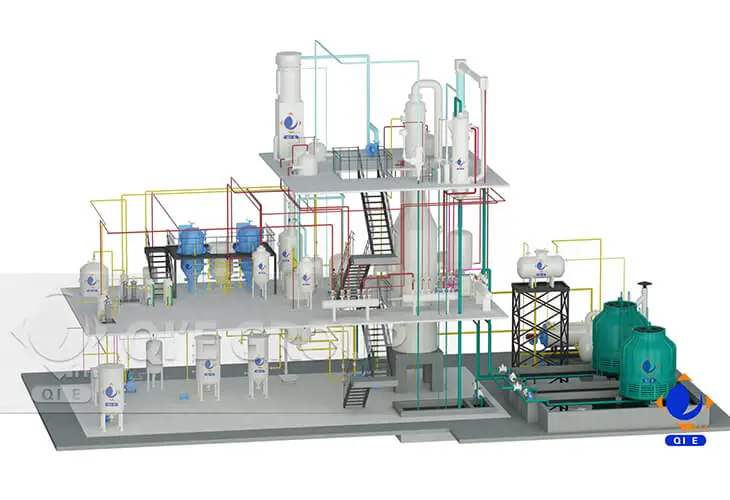
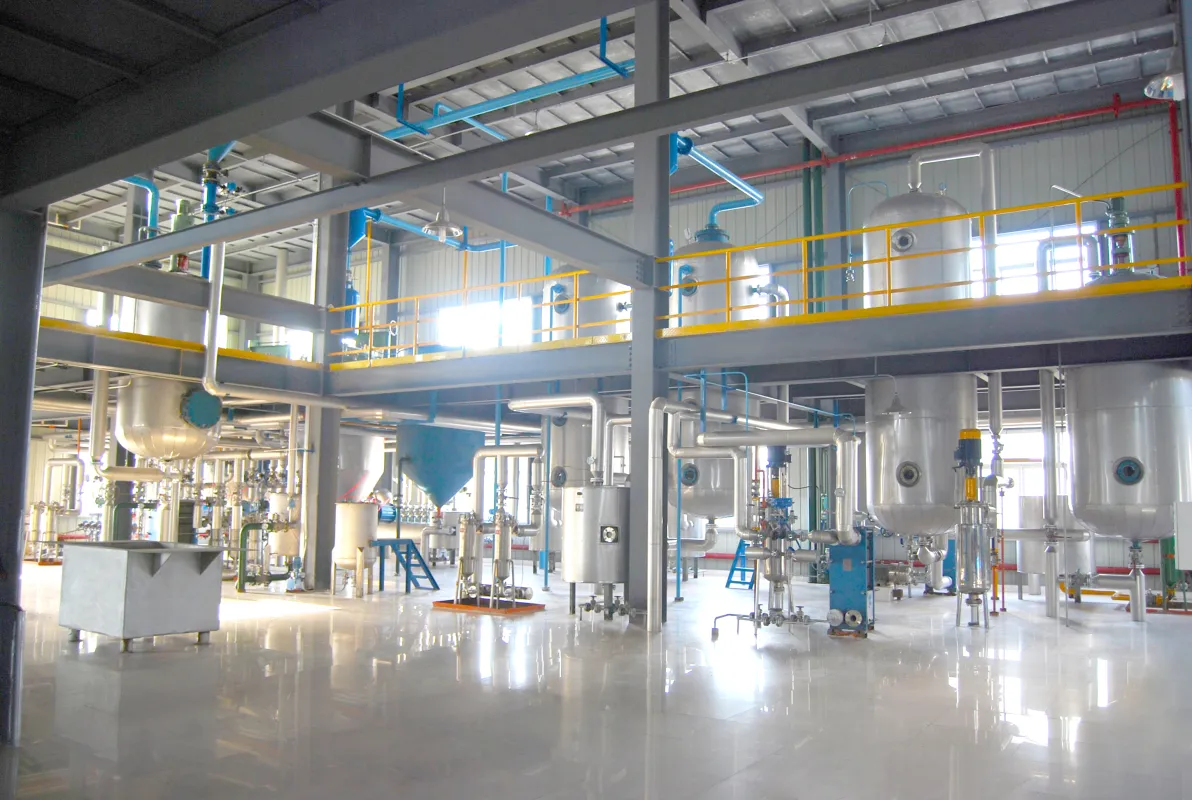
A complete peanut oil processing line usually consists of pretreatment, pressing, optional extraction, and refining sections. For buyers of peanut oil processing machines in Sudan, it is recommended not to compare only the price of a single machine, but to evaluate each section as a continuous system.
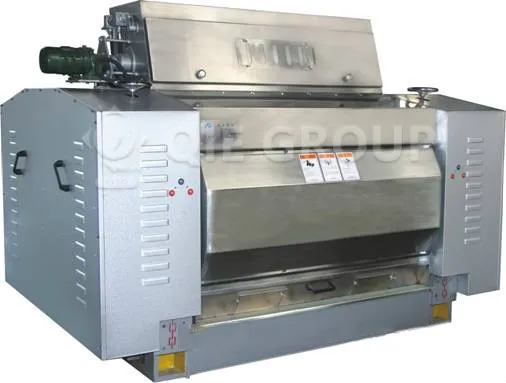
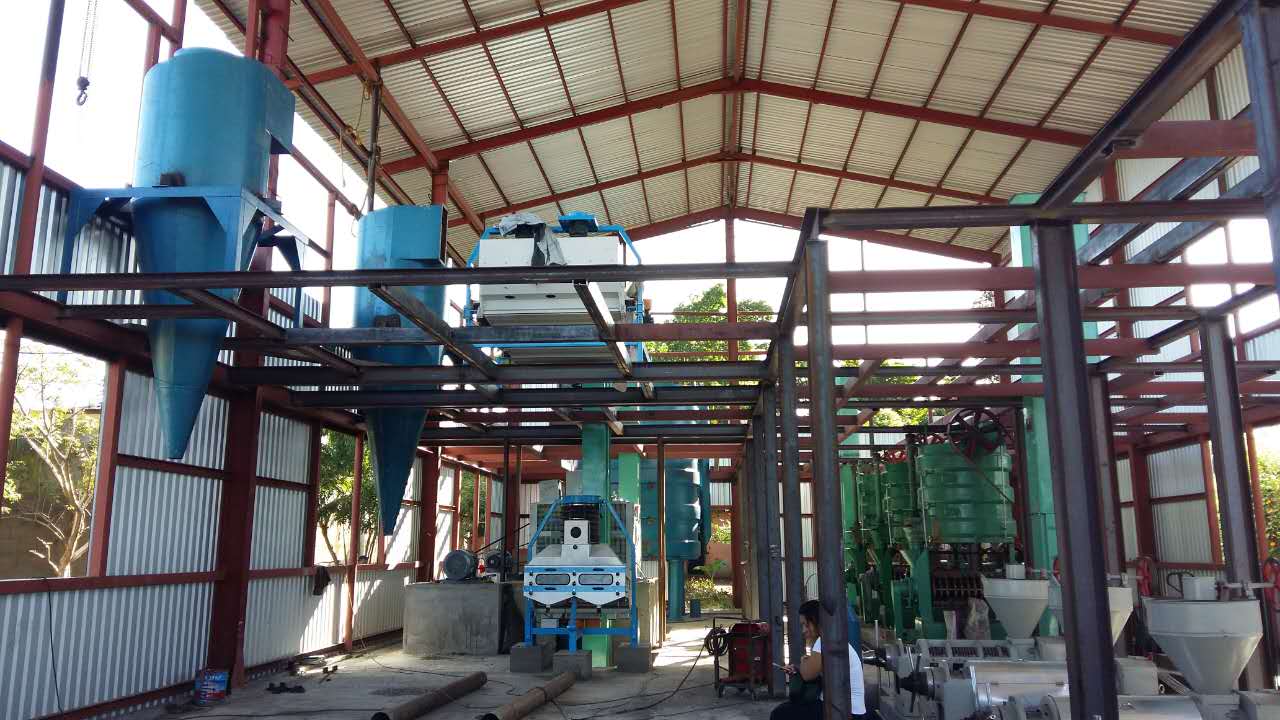
The main steps are cleaning, crushing, and roasting. The roasting temperature is usually in the range of 90–150°C and can be adjusted according to the demand for fragrant or light-flavor oil.
The pressing section extracts oil through mechanical pressure and produces crude oil and meal. Equipment options include a small press, dedicated screw oil press, hydraulic oil press, or large pre-press.
Large-capacity peanut oil production lines usually use solvent countercurrent extraction for pre-pressed cakes to improve overall oil recovery.
Refining removes gum, free fatty acids, pigments, and off-odors. The typical process includes degumming, deacidification, decolorization, and deodorization.
The following illustration is based on common peanut oil processing parameters and is intended to help investors understand how equipment configuration affects profitability. Actual results should be calculated based on raw material quality, production capacity, operating management, fuel prices, electricity costs, and finished oil selling price.
| Process Stage | Key Indicators | Impact on Profit | What to Confirm During Procurement |
|---|---|---|---|
| Fragrant Pressing | Oil yield about 35%–40%; cake residual oil about 6%–8% | Suitable for earning profit through flavor premium, but oil recovery is lower than the extraction route | Roasting temperature, press chamber temperature control, filtration method, flavor retention capability |
| Pre-pressing | Oil yield about 30%–35%; cake residual oil about 16%–20% | Creates stable cake structure for extraction and affects subsequent extraction efficiency | Pre-press capacity, cake stability, residual oil control, and continuous operation capability |
| Extraction | Extraction residual oil ≤0.8%; solvent consumption ≤1.5 kg/t; solvent recovery rate ≥99.5% (depending on configuration) | Improves overall oil recovery, suitable for large-scale long-term operation | Extractor type, negative-pressure system, condensation recovery, solvent safety, and environmental protection configuration |
| Refining | Refining energy consumption can be reduced by about 10%–15% (depending on the project); continuous systems are suitable for larger capacities, while batch systems can be selected for ≤30 TPD | Affects finished oil quality, losses, shelf life, and market grade | Whether the degumming, deacidification, decolorization, and deodorization configuration matches the target product positioning |
For peanut oil plants in Sudan, procurement decisions usually involve not only the equipment list, but also raw material supply, energy conditions, installation space, operator capability, finished oil sales channels, and local safety and environmental requirements. It is recommended to clarify the following points before requesting quotations:
QIE GROUP can help customers design a more suitable peanut oil processing equipment combination based on raw materials, production capacity, oil positioning, and budget conditions.
| Project Requirement | Recommended Equipment | Application Notes |
|---|---|---|
| Fragrant Flavor Oil | Cleaning screen, crusher, roasting cooker, small press, screw oil press, cold filtration equipment | Suitable for markets that value aroma, color, and brand differentiation |
| Large-Capacity High-Recovery Production | Large screw pre-press, ring/drag-chain/rotary extractor, DTDC desolventizer-toaster, full negative-pressure evaporation system | Suitable for projects centered on long-term oil recovery and ton-processing cost |
| Grade-1 Refined Oil | Degumming centrifuge, vacuum deacidification tower, decolorization tower, high-efficiency filters, vacuum deodorization tower | Suitable for production lines pursuing clear color, stable flavor, and standardized finished oil |
| Small and Medium Investment | Peanut oil pretreatment machine, peanut oil press machine, batch refining equipment | Suitable for projects that first build local sales channels and then expand capacity gradually |
For investors in Sudan, it is recommended to first establish a return model based on raw material oil content, daily processing capacity, selling price, energy cost, and financing period, and then decide whether to upgrade from simple pressing to a complete pre-pressing, extraction, and refining production line.
Please provide the planned processing capacity, peanut raw material conditions, target product, plant conditions, and budget range. The QIE engineering team can help you compare pressing, pre-pressing, extraction, and refining solutions according to your project needs.
It depends on the project positioning. If the goal is fragrant oil and brand premium, fragrant pressing can be considered. If the goal is large capacity, lower ton-processing cost, and higher overall oil recovery, the pre-pressing, extraction, and refining process is usually more suitable.
Yes. Cleaning, destoning, magnetic separation, crushing, and roasting affect raw material cleanliness, cell structure, moisture, and temperature. Stable pretreatment conditions help improve pressing efficiency and provide a more suitable cake state for the extraction section.
The goal of pre-pressing is not to extract all the oil in one step, but to remove part of the oil first and form a pre-pressed cake suitable for solvent extraction. Therefore, pre-pressed cakes usually retain about 16%–20% residual oil, which is then further extracted in the extraction section.
Pay attention to the fully enclosed negative-pressure system, solvent recovery rate, condensate tail gas recovery, evaporation and stripping stability, DTDC desolventizing performance, and workshop safety management conditions. Solvent consumption, residual oil content, and environmental protection configuration should also be included in long-term operating cost evaluation.
Usually not recommended. The market value of fragrant peanut oil comes from peanut aroma and flavor compounds, while deodorization removes odor components under high temperature and vacuum conditions. Fragrant oil is more suitable for cold filtration, natural settling, or light refining; grade-1 refined oil can be equipped with a complete deodorization section.