QIE Group repeatedly mentions three key points regarding peanut oil presses in Ghana, peanut oil equipment selection, and peanut oil presses , to facilitate equipment selection and purchase.
• Oil content: 45%–52% (based on peanut kernels).
• Optimal pressing moisture content: 7%–9%; if too dry, the oil yield will drop, and if too wet, the oil will be cloudy and prone to backflow.
• Hot pressing and roasting temperature: 110–130°C (for a more pronounced aroma and faster Oil Extraction).
• Cold-pressed material temperature: 60–80°C (more nutrients are retained, but the yield is slightly lower).
• Residual oil after hot pressing: generally 6%–8%; residual oil after cold pressing: 10%–12%.
• Estimated total power consumption: 25–70 kWh/ton (including feeding, cleaning, roasting, pressing, and filtering; subject to automation and operating conditions).
Suitable for cooperatives, family factories, and start-up teams. The core equipment is a peanut oil press with electric heating or a roasting pan, equipped with a simple filter (plate and frame or centrifugal). The advantages are small footprint, low investment, and simple maintenance; the disadvantages are that it requires more manual labor and the residual oil content in the oil cake is relatively high.
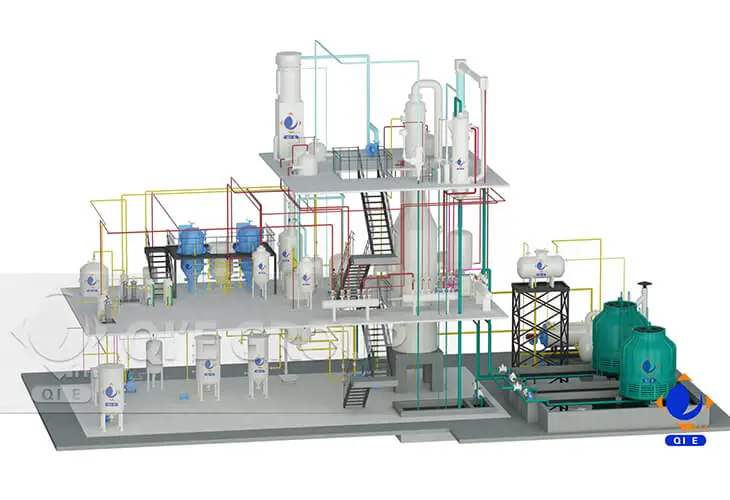
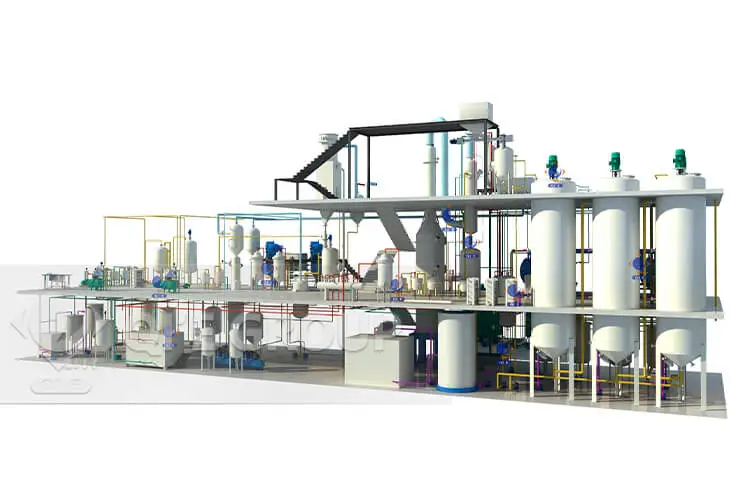
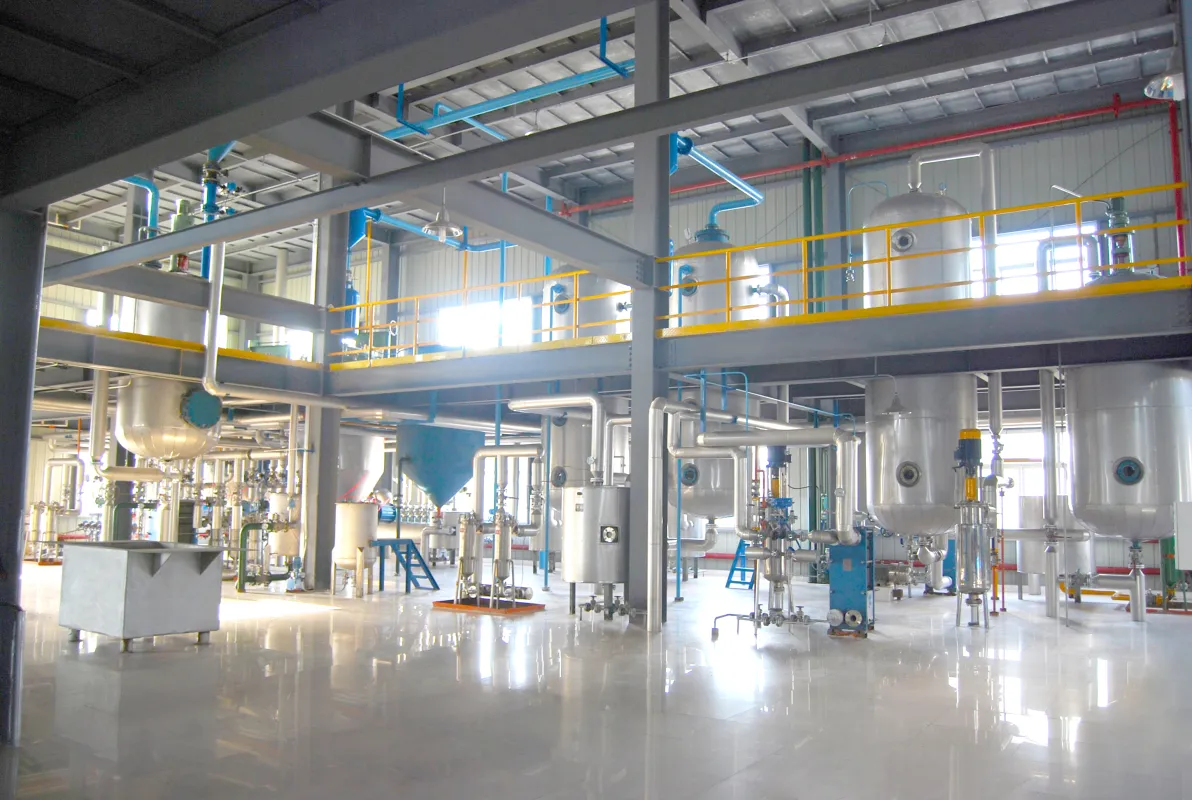
This system is more stable when you need a consistent supply to supermarkets, restaurants, or your own brand. The process typically includes: cleaning and impurity removal—destoning—shelling/grading—roasting—screw pressing—filtration—small-scale refining (degumming, deacidification, decolorization, and deodorization can be flexibly configured). The advantages are more stable taste and color, and easier attainment of acid value and peroxide value standards.
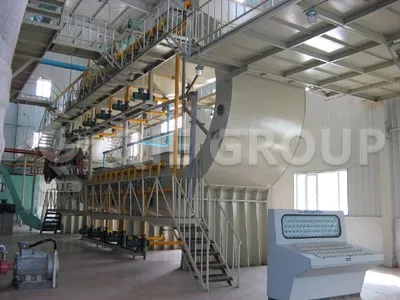
For operations of 30–200 tons/day, the typical process involves "pre-pressing + organic solvent extraction + solvent removal + full refining." The advantage is an extremely high oil yield (residual oil in the meal <1%); however, this comes with stricter requirements for environmental protection, safety, fire safety, and training. If you are operating at this scale in Ghana, you must secure compliance and environmental approvals in advance and plan accordingly for solvent recovery and explosion-proof measures.
| Scene/Scale | Typical configuration | Reference capacity | Electricity/Energy | Suitable for |
|---|---|---|---|---|
| Beginner | Integrated spiral peanut oil press + electric heating/small wok + plate and frame filter | 50–300 kg/h | Three-phase power; can be equipped with a small diesel generator | Individuals, cooperatives, and pilot markets |
| Small-scale stable production | Cleaning and destoning + dehulling + roasting + screw pressing + centrifugal/plate and frame pressing + small-scale refining | 0.5–2 tons/hour | Stable three-phase electricity; gas/diesel heat source can be used for stir-frying ingredients. | Food service supply, supermarket channels, private label brands |
| Mid-sized branding | Pre-treatment line + multi-machine parallel pressing + automated filtration + continuous/semi-continuous refining | 2–5 tons/hour | Independent power distribution + steam/gas boiler | Regional brands and distribution networks |
| large-scale | Pre-pressing + Leaching + Full Refining + Automated Filling | ≥30 tons/day | Stable power supply + steam system + solvent recovery and explosion-proof facilities | Industrialized production capacity, exports and large chain stores |
• Food regulation: It is recommended to contact the Ghana FDA (Food and Drug Administration of Ghana) and GSA (Ghana Standards Agency) to understand the registration and labeling requirements for edible oils.
• Quality system: HACCP/ISO 22000 can be implemented if conditions permit, making channel expansion smoother.
• Hygienic Material: Parts in contact with oil are preferably made of 304 stainless steel for easy cleaning and inspection.
• Electrical and Safety: Configured according to 230V/50Hz standard, with emphasis on grounding and protection; if solvent leaching is involved, explosion-proof and fire protection specifications must be followed.
QIE Group has undertaken numerous projects in West Africa. Based on Ghana's unique characteristics regarding electricity and raw materials, we offer the following simple yet effective suggestions:
• Oil yield: 1% more oil yield is more valuable in the long run than saving a little electricity. Hot pressing and proper moisture control are key.
• Energy consumption: Baking and roasting account for the highest proportion of energy consumption; using insulation and heat recovery will significantly reduce electricity consumption.
• Maintenance: The spiral, ring, and cake outlet are consumable parts; having a spare set will not delay production.
• Manual labor: With a reasonable layout, automatic feeding and automatic temperature control, fewer people are needed and fewer errors are made.
• Quality control: If the acid value, color, and aroma of the oil are stable, there will naturally be more repeat customers.
If you primarily target the local food and retail market, hot pressing is more popular for its aroma and higher oil yield; if you're working on a health/premium line, cold pressing is also a good option, but you'll have to accept slightly lower production volumes. Many factories operate both lines simultaneously, allowing for flexible switching.
First, check the moisture content (7%–9% is more suitable), then check the roasting temperature and time; too much shell in the raw material or impurities not being cleaned properly will also reduce the oil yield; the pressing gap and screw wear also have an impact.
Yes, it's possible, but it's recommended to at least perform fine filtration and control the acid value. If you're going to sell in supermarkets or export, the product must be refined to meet standards, and labeling and testing must also be in place.
For small-scale production lines, 100-200㎡ is sufficient (including raw material and finished product areas). Pay attention to ventilation and fire exits. For medium-scale lines, ≥500㎡ is recommended. Ensure proper material flow and hygiene zoning.
First, determine your daily production volume and budget. You can also contact QIE GROUP, and we will customize a machine to meet your specific requirements.
Tell us your daily processing volume, finished product location, and site conditions, and QIE Group engineers will provide a feasible configuration list and energy consumption/output assessment within 48 hours.
Get QIE Group's peanut oil press selection solution for Ghana