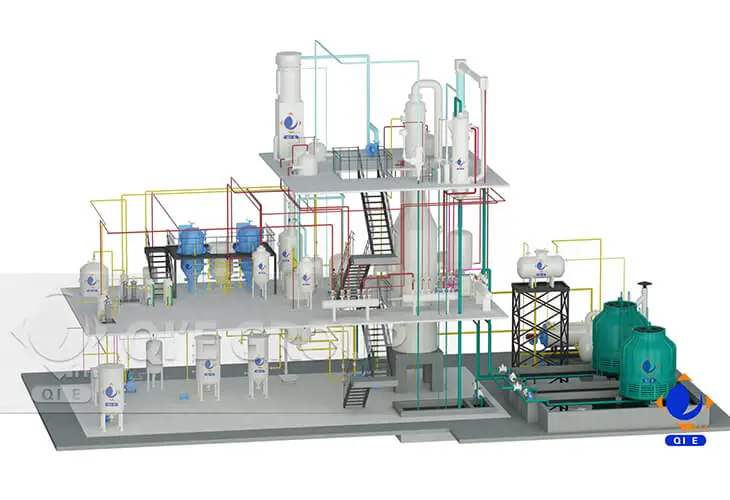
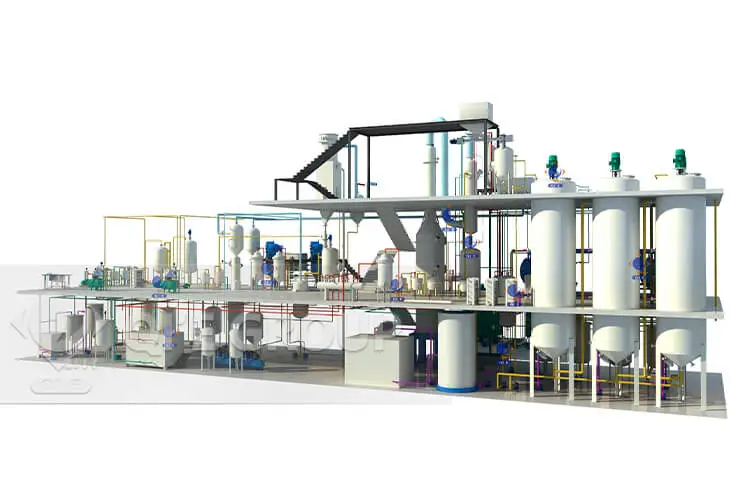
The commercial production of groundnut oil is not a simple pressing process completed by a single piece of equipment, but a continuous process chain consisting of raw material cleaning, magnetic separation, destoning, crushing, pressing, steaming and roasting, pre-pressing, secondary pressing, filtration, and subsequent processing . For purchasers planning to build oil plants, upgrade equipment, or assess project feasibility, understanding the boundaries of each process and the interrelationships between equipment is usually more important than focusing solely on the price of individual machines.
QIE GROUP has long been focused on the research, development, manufacturing, installation, and service of grain and oil machinery. The groundnut oil production line featured on this page consists primarily of a groundnut oil pretreatment machine and a groundnut oil press , and is suitable for grain and oil processing enterprises, small and medium-sized oil mills, and equipment procurement teams that require a clear understanding of the process.
A standard groundnut oil production line typically operates according to the following logic:
This process embodies the basic idea of commercial groundnut oil processing: first stabilize the state of the raw materials, then improve the oil extraction conditions through heat treatment and mechanical pressing, and finally improve the usability and storage stability of the oil through filtration and subsequent processing.

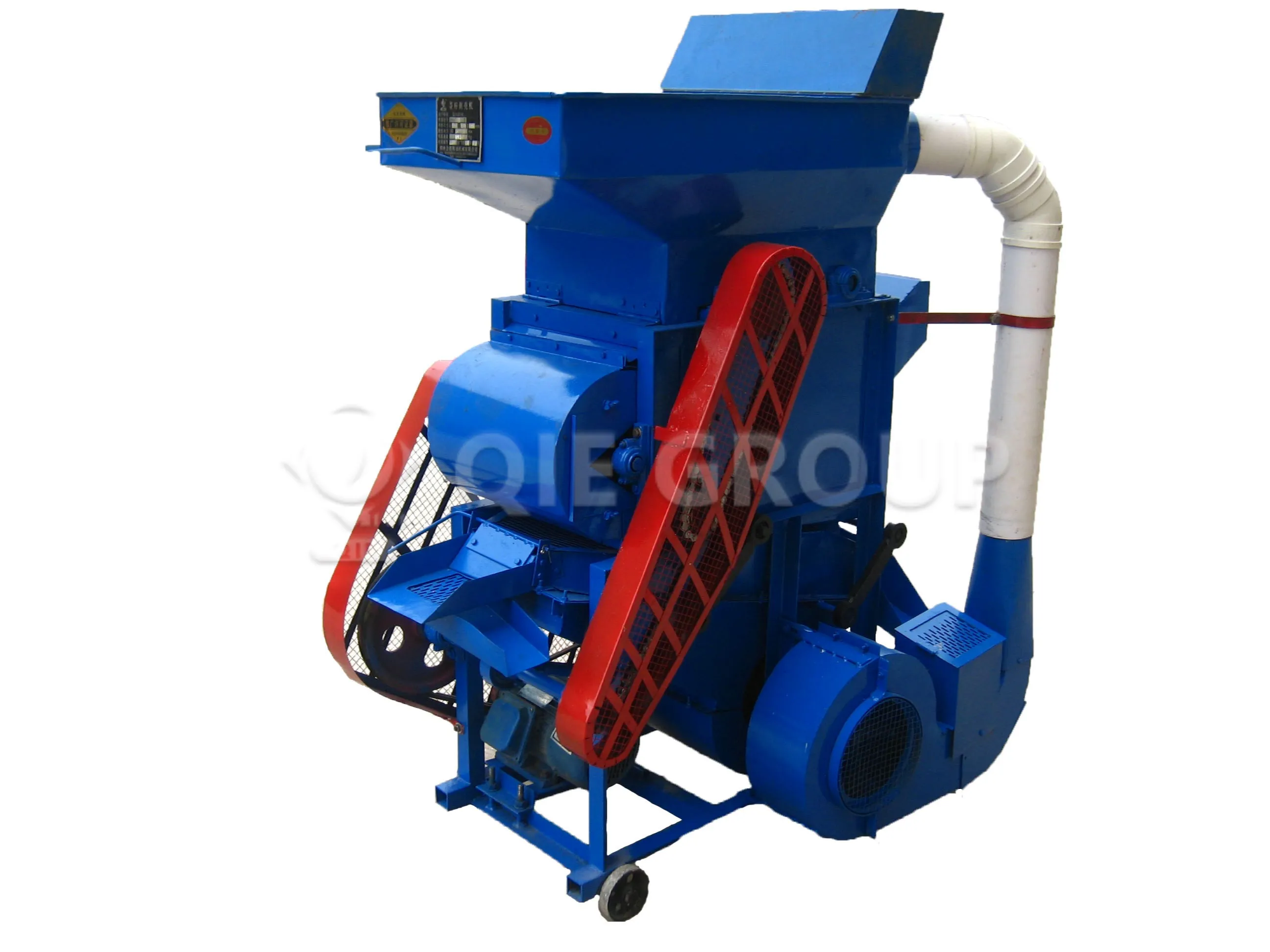
The groundnut shelling machine consists of a feeding hopper, a textured roller, a shed-shaped concave plate, a blower, a gravity sorting screen, and a pneumatic conveyor. It has a compact structure, stable operation, and is suitable for continuous production environments.
According to existing data, the equipment has a shelling rate of no less than 95% and features large processing capacity, low power consumption, and relatively simple operation.
Cleaning screens are used to remove impurities of all sizes from groundnut raw materials. They are often equipped with high-efficiency vibrating screens to improve the cleaning effect and maintain the basic cleanliness of the production site.
Although this step is at the forefront, it has a direct impact on subsequent equipment protection, process stability, and finished product quality.
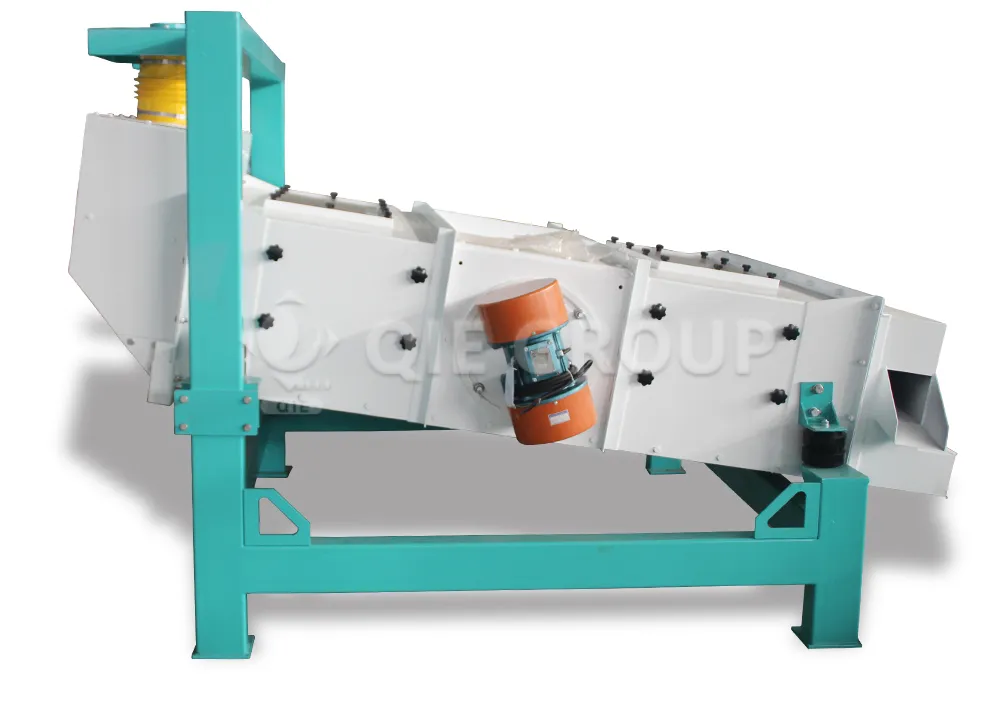
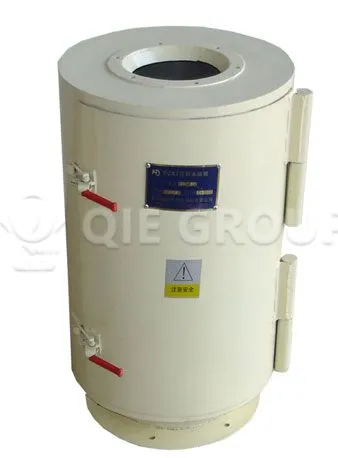
Magnetic separators are mainly used to remove iron impurities that may be mixed into groundnut raw materials. The information on this page indicates that a non-powered magnetic separator is used for iron removal in this process.
This step helps reduce the risk of metal impurities entering downstream equipment, and is especially suitable for continuous pressing production lines.
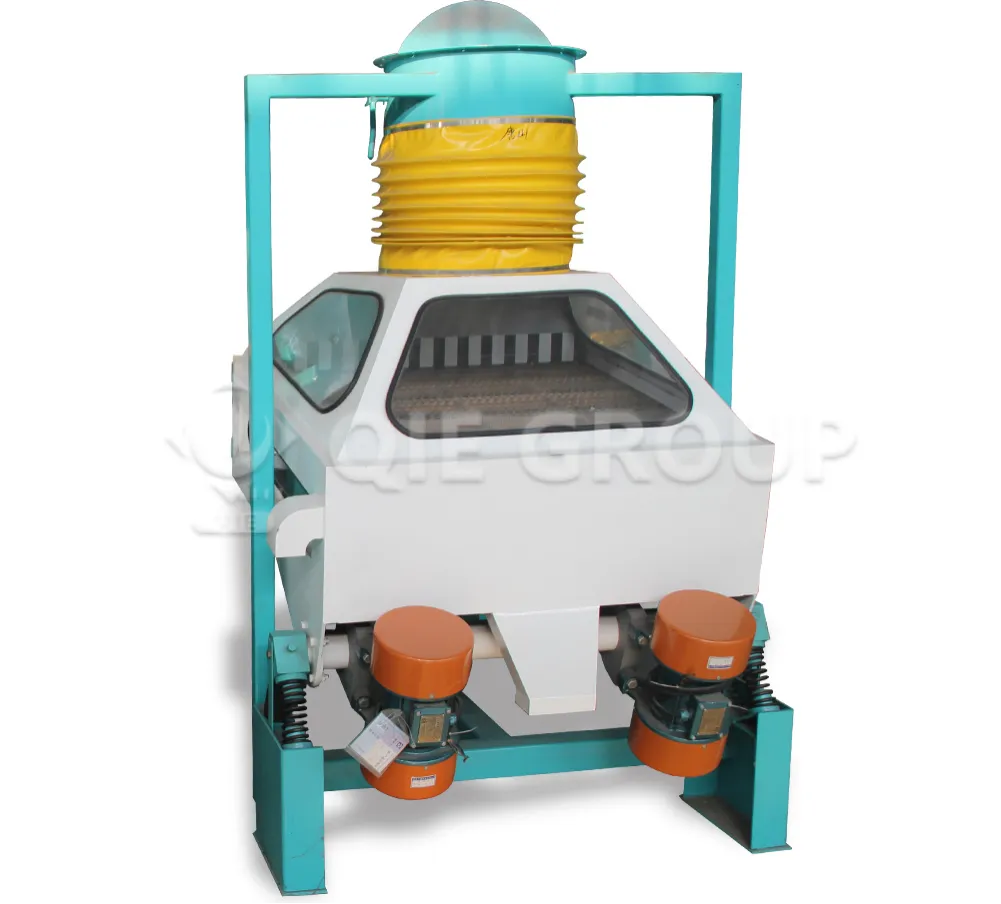
The gravity destoner is used to separate heavy impurities such as boulders and mud from raw materials. The process is equipped with a suction-type gravity destoner .
In groundnut oil processing equipment, the destoning process is a typical protective process, which can reduce wear and improve the stability of subsequent crushing and pressing stages.
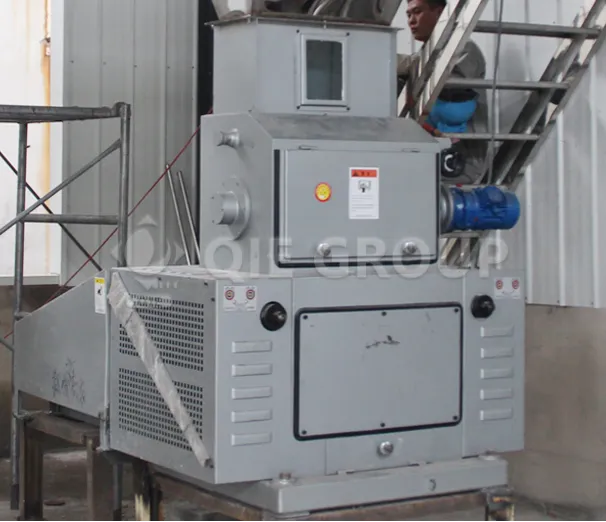
Before being steamed, roasted, and pressed, groundnuts generally need to be crushed into 4-8 pieces using a toothed roller crusher.
The purpose of this is to ensure a more even distribution of temperature and moisture during the subsequent steaming and frying process, thereby creating a more suitable material state for pressing.
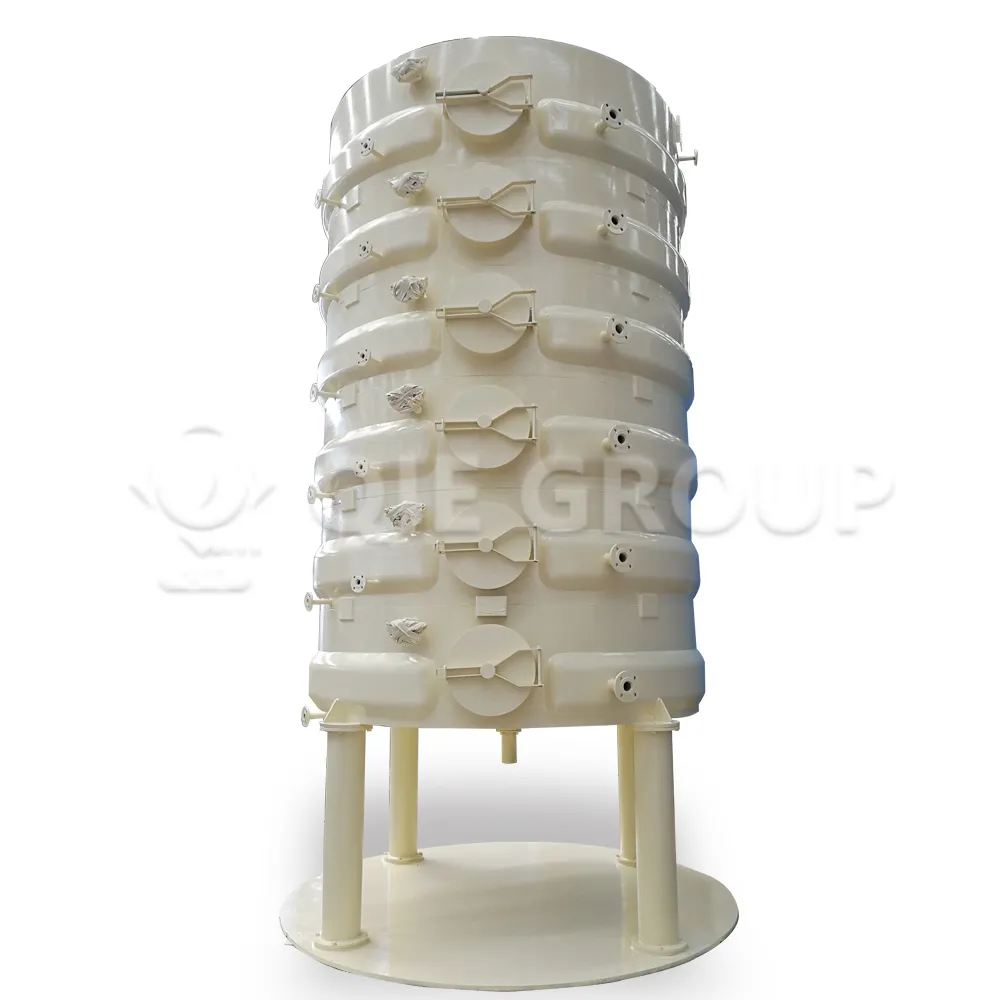
The task of the steaming and frying pan is to adjust the moisture and temperature of the groundnut material to a range more suitable for pressing.
For commercial groundnut oil production processes, steaming and roasting are not additional steps, but rather an important link connecting pretreatment and pressing efficiency.
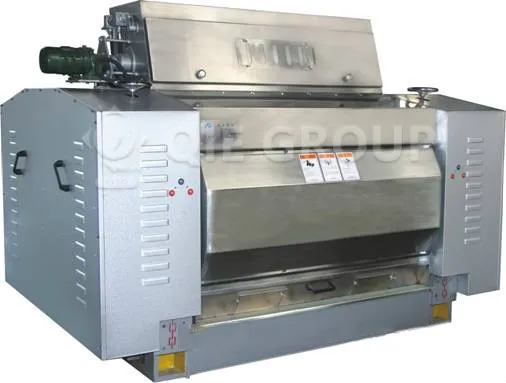
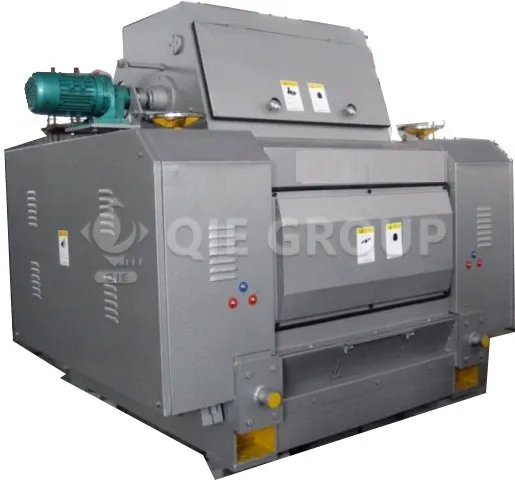
The pressing machine forms the processed material into thin sheets of about 0.3 mm to allow for more complete release of oil in subsequent processes.
The information also states that this step is particularly beneficial for subsequent extraction processes, allowing the oil to be extracted to a greater extent in a shorter time and helping to reduce residual oil in the meal.
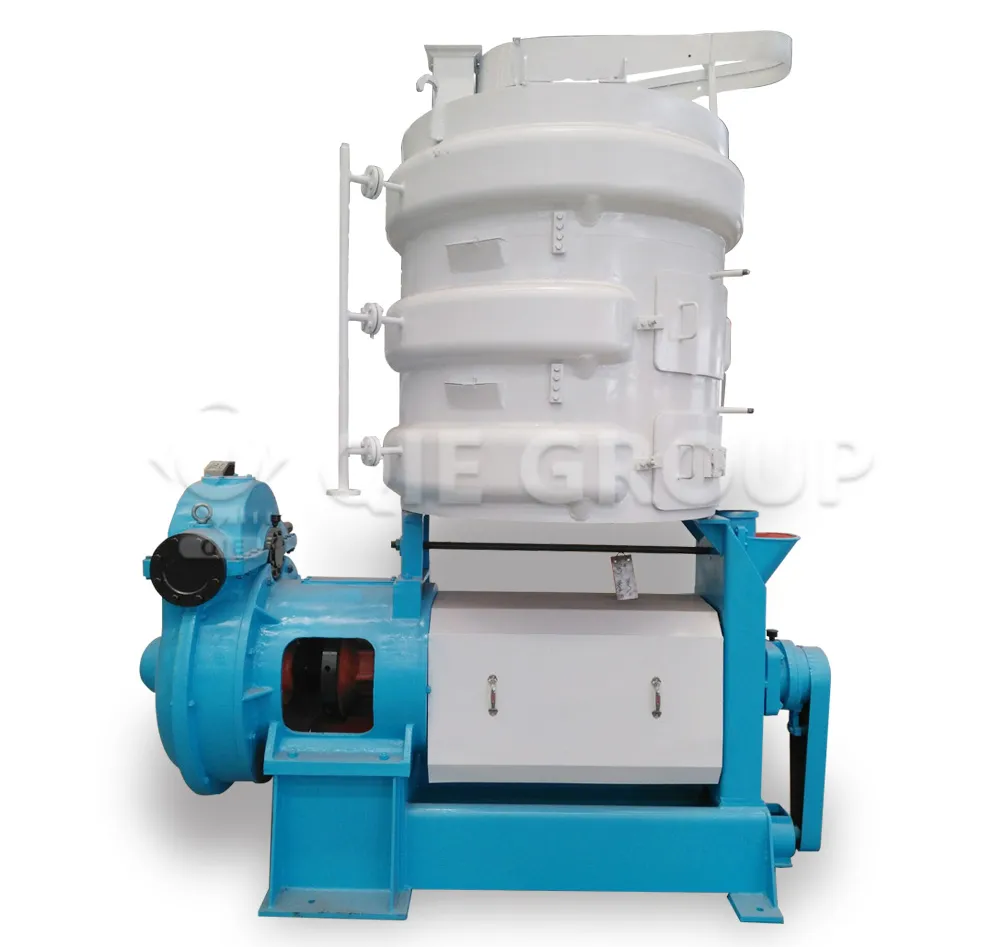
The pre-press is a screw pre-press , suitable for various vegetable oilseeds such as groundnuts, rapeseed, soybeans, and sunflowers, and adopts a strip-pressing process.
For materials with high oil content, pre-pressing is usually used for the first pressing, which leaves more room for subsequent processing.
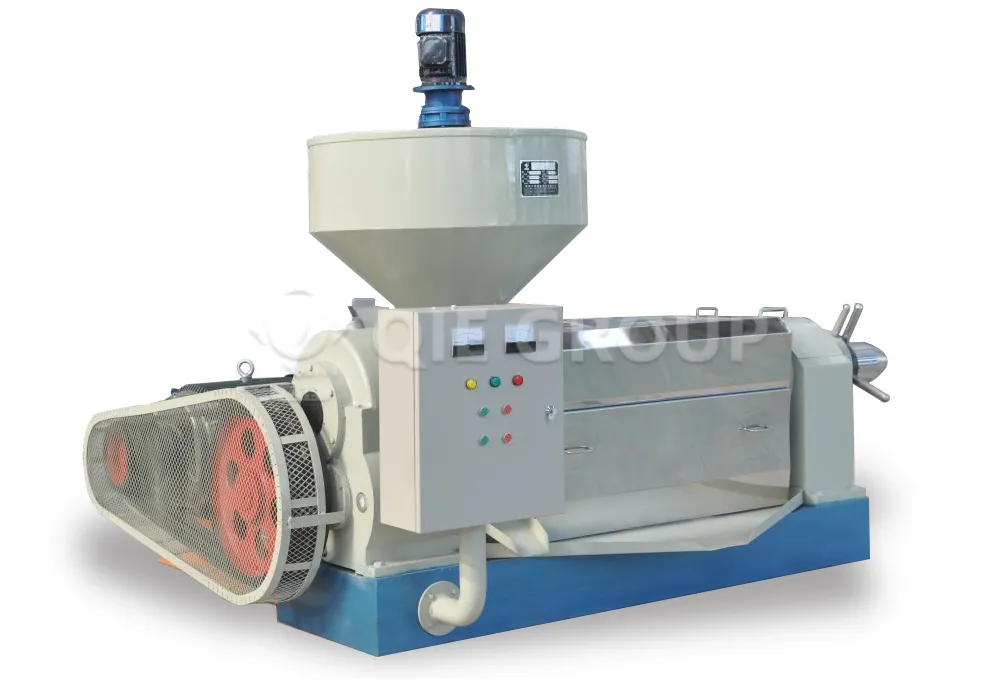
The screw press is one of the core pieces of equipment in the groundnut oil press process. Current data shows that this machine can be used for various oilseeds such as groundnuts, rapeseed, soybeans, and sunflowers.
It adopts a combination of round bar pressing technology and is equipped with micro-electric control, infrared heating and multi-stage pressing structure, which can be used for both hot pressing and cold pressing.
For the purchaser, this type of equipment is more suitable for matching after considering the adaptability of raw materials, pressing methods, and continuous production requirements.
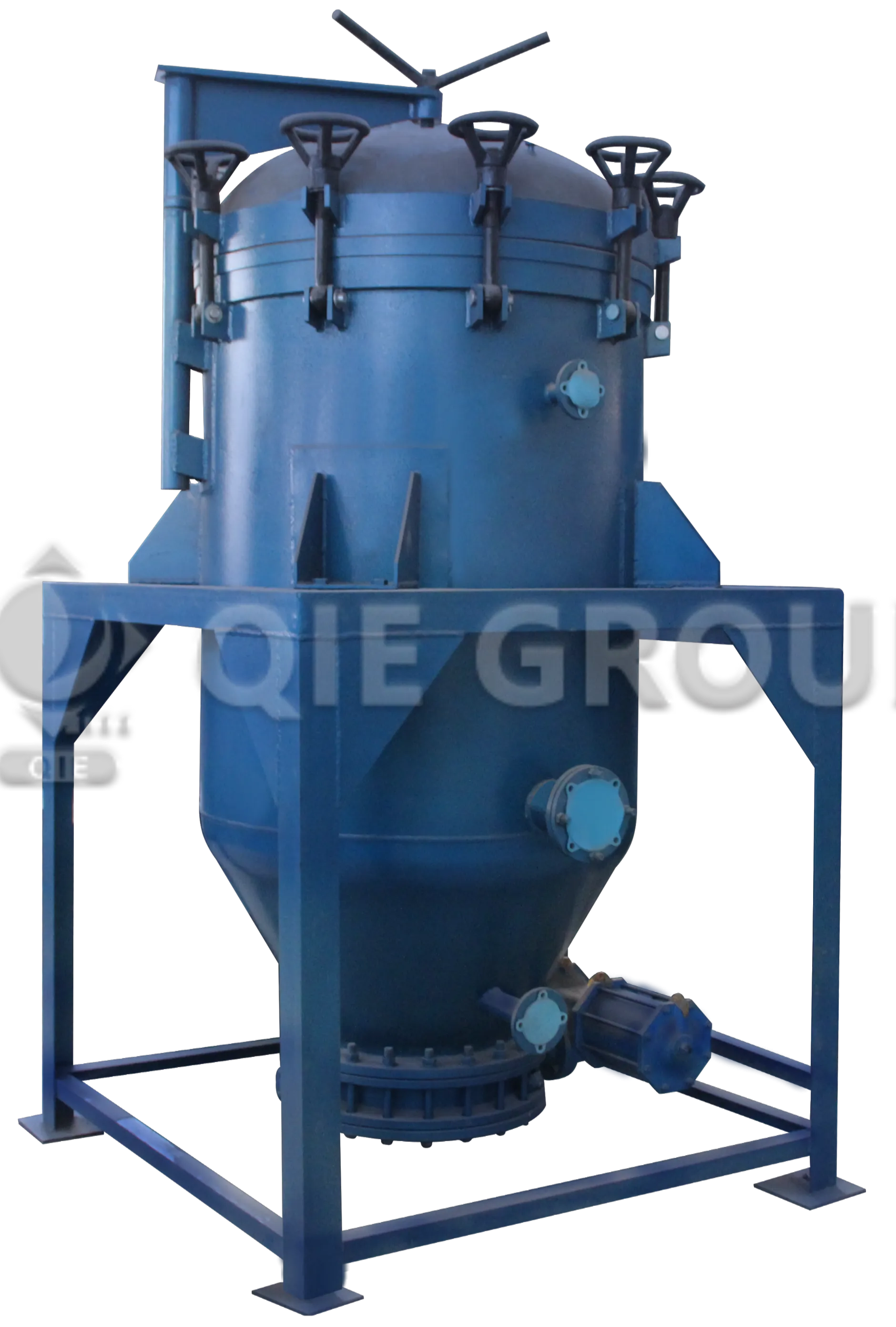
Vertical leaf filters are used to remove coarse and fine residues from crude oil. They use thickened stainless steel mesh screens and support automatic slag discharge.
Its advantages include continuous operation, ease of operation, low labor intensity, and more stable feeding conditions for subsequent fine filtration or further processing.
Cleaning, magnetic separation, and destoning may seem basic, but they directly affect equipment protection, impurity control, and the continuity of the entire production line.
The purpose of crushing, pressing, steaming, and roasting groundnuts is to bring them into a physical state that is more suitable for releasing oil, rather than simply increasing the number of processes.
Pre-pressing, secondary pressing, and filtration all contribute to the difficulty of subsequent processing of crude oil and also affect the continuity of the process before packaging.
| Procurement Focus | Why it is important | Recommended Confirmation Content |
|---|---|---|
| Raw material conditions | Different groundnut raw materials have different requirements for shelling, cleaning, crushing, and steaming/roasting. | Whether it has a shell, the proportion of impurities, the moisture content, and whether the shell needs to be removed at the front end. |
| Process route | Different projects have different requirements for pre-pressing, secondary pressing, filtration, and post-processing. | Whether to use single pressing, pre-pressing + secondary pressing, and whether to reserve interfaces for subsequent refining. |
| Equipment continuity | The overall efficiency depends on the integration of equipment, not just the performance of individual machines. | Feeding method, conveyor configuration, filtration cycle time, and cake transfer method |
| Maintenance and Operation | Foreign trade projects typically place greater emphasis on ease of post-construction maintenance and training costs. | Replacement of vulnerable parts, control methods, on-site installation and commissioning, and after-sales support |
| Scalability | Many customers build the pressing section first, and then add refining or packaging sections later. | Does the equipment layout facilitate production expansion? Are the interfaces conducive to future upgrades? |
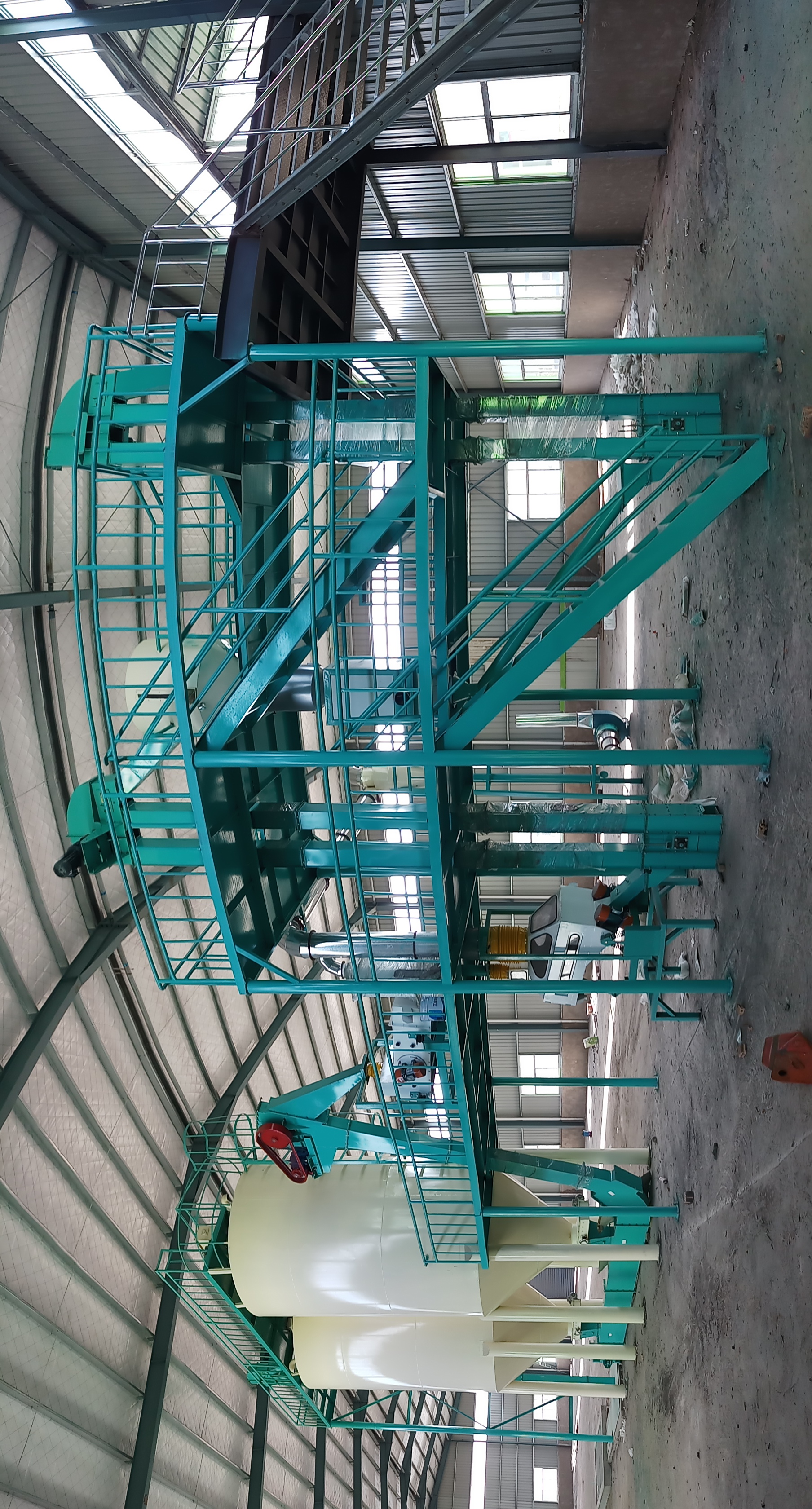
In groundnut oil production line projects, what truly affects the quality of project implementation is often not whether a particular piece of equipment can operate, but rather whether the preceding and following processes of the entire line are matched. If the pretreatment is insufficient, the subsequent pressing and filtering processes will easily bear an extra burden; if the steaming and roasting and pressing are not properly connected, the overall operating efficiency of the line will also be affected.
Therefore, QIE GROUP typically advises clients to first clarify raw material conditions, target products, pressing methods, and whether subsequent refining is planned before proceeding with the selection of groundnut oil processing equipment combinations. This approach is more suitable for B2B project evaluation and is also more conducive to controlling later modification costs.
If you are planning a groundnut oil processing plant or wish to compare different groundnut oil processing equipment configurations, you can directly communicate with QIE GROUP regarding raw material conditions, process objectives, and equipment requirements. Matching the process to the specific circumstances of the project is usually more effective than simply comparing equipment names.