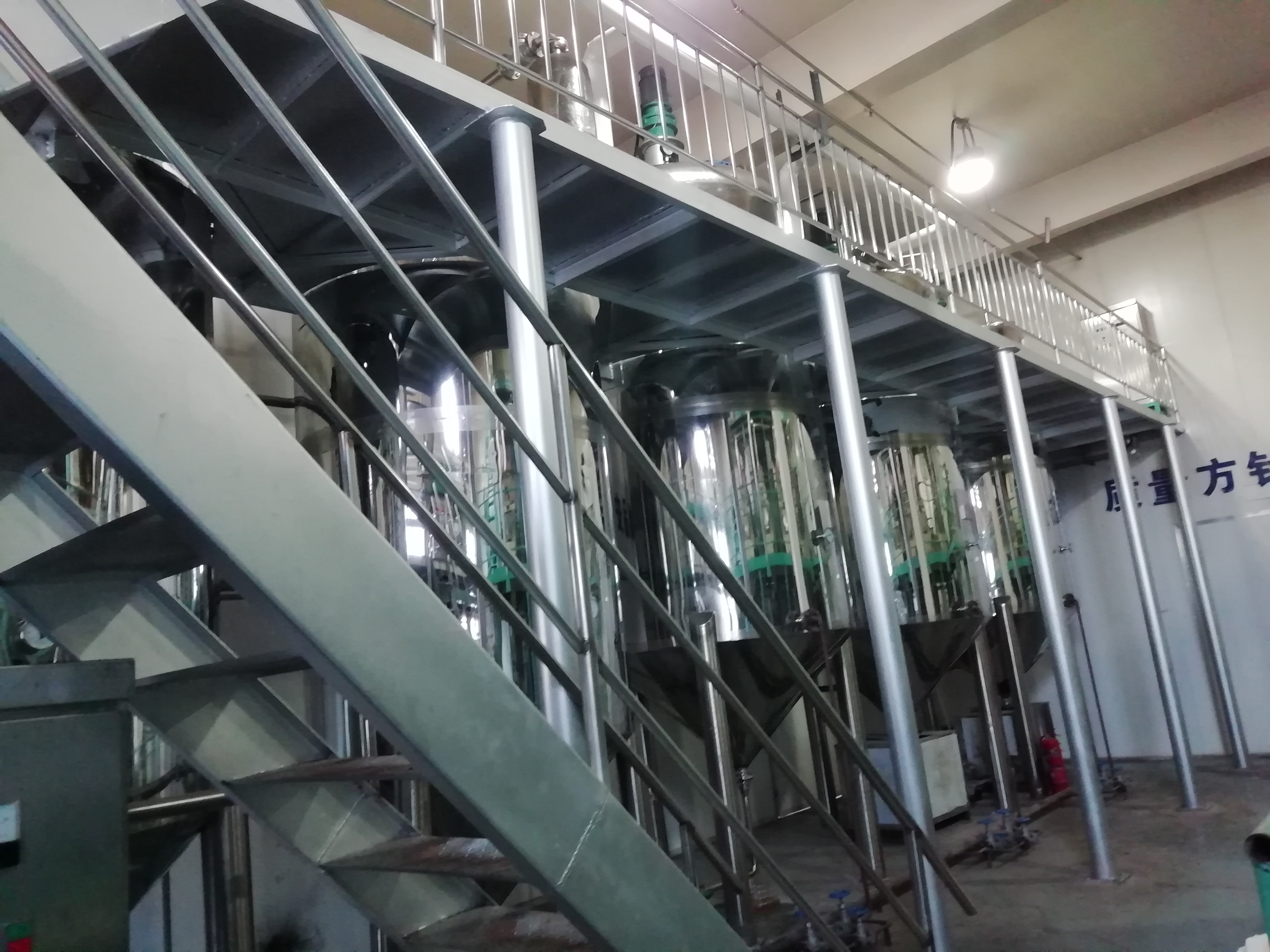
SEO Summary: QIE GROUP provides turnkey peanut oil production lines , encompassing efficient dehulling pretreatment , automated pressing , and solvent extraction processes. Through modular peanut oil refining equipment , we ensure a residual oil content of ≤0.8% , creating a high-ROI, modern oilseed processing plant for you. — Senior Oilseed Engineering Expert, QIE GROUP
1. Strategic Layout of a Modern Peanut Oil Extraction Plant
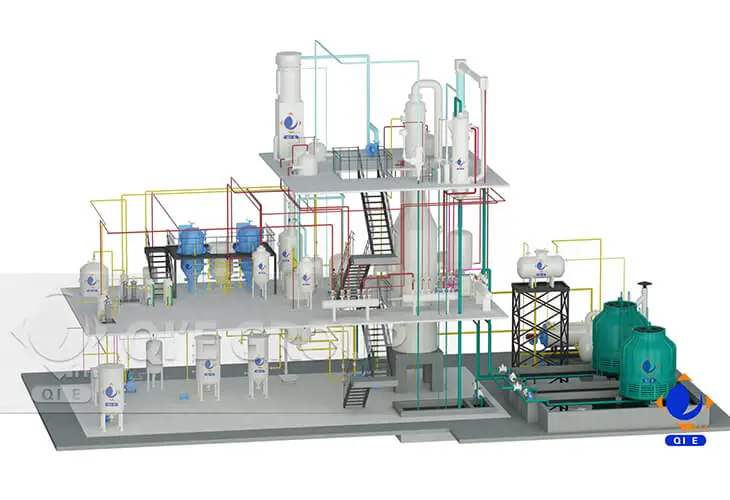
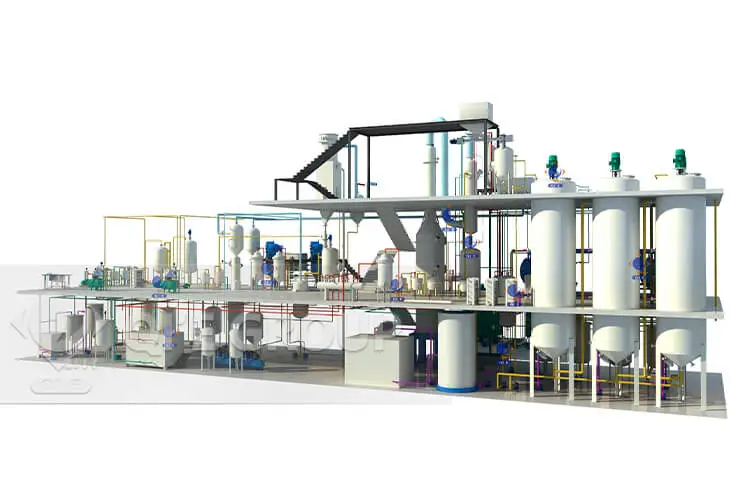
Professional peanut oil extraction plants require strategic planning for material flow and dust control. At QIE GROUP, our pretreatment design focuses on the "shelling and separation" stage. Peanuts are high-oil-content oilseeds (45–55%), making shell removal crucial using our high-speed shelling and destoning machines . This not only improves crude oil purity but also protects downstream mills and magnetic separators from unnecessary wear. By rolling peanut kernels into uniform flakes of 0.3–0.5 mm, we thoroughly disrupt the cell structure, creating a decisive pathway for maximizing extraction efficiency.
2. Master the peanut oil processing flow chart: core pretreatment processes
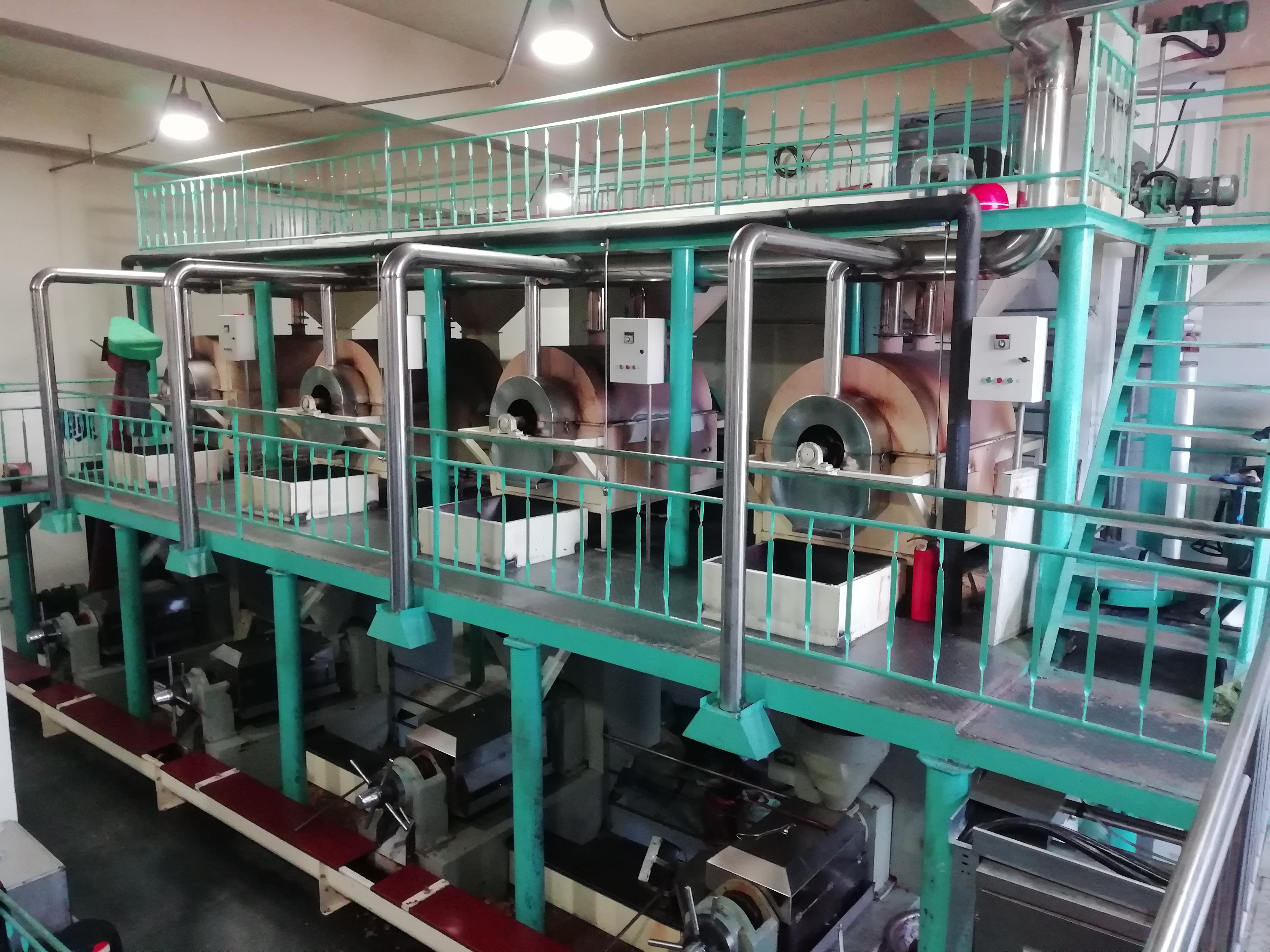
The peanut oil processing flowchart is a blueprint for the flavor of the oil. QIE GROUP utilizes a multi-layer steam-roasting pan to stimulate the unique and rich aroma of peanuts through the Maillard reaction: strong-aroma oil requires a high temperature of around 150°C, while industrial pre-pressing is controlled at 120°C. By precisely controlling the moisture content before pressing (typically 1-3% after roasting), we ensure efficient oil polymerization, effectively extending the service life of the core components of the screw oil press .
3. Advanced pressing and extraction technology: Automatic peanut oil press
For large-capacity plants, QIE GROUP advocates a combined "pre-pressing + leaching" process. Our automatic peanut oil presses are made of reinforced alloy steel and support 24/7 continuous operation. In the leaching stage, our annular or horizontal rotary leachers use negative pressure technology to ensure that the residual oil content in the oil cake is ≤ 0.8% . Sustainability is at the core of our operations: solvent recovery rate exceeds 99.5%, and steam consumption per ton of material is less than 1.5 kg, significantly reducing operating costs.
| Core technical indicators |
QIE GROUP Performance |
| Residual oil extraction rate |
≤ 0.8% (Industry-leading level) |
| Solvent consumption per ton |
≤ 1.5 kg/t |
| Heat recovery rate |
Thermal efficiency improved by 10–15% |
4. Superior Refining: Modular Peanut Oil Refining Equipment
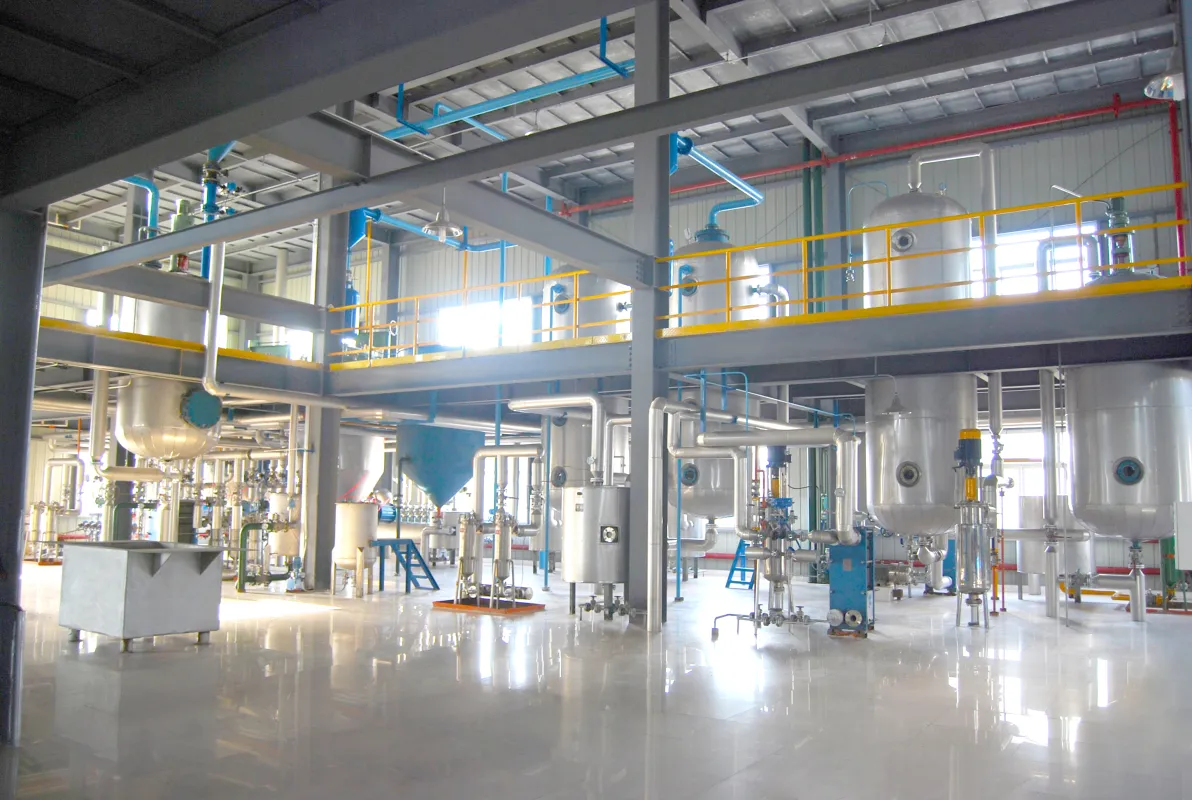
To meet Grade A edible oil standards, crude oil must undergo degumming, deacidification, decolorization, and deodorization . QIE GROUP's small-scale peanut oil refining equipment focuses on physical refining technology, removing free fatty acids (FFA) without producing soapstock wastewater. We utilize high-speed disc centrifuges and vertical vane filters to ensure the oil is crystal clear and has a high smoke point. For peanut oil, we have particularly strengthened phospholipid management to prevent sedimentation and ensure the product fully complies with international food safety certifications.
5. Automated Filling and Return on Investment (ROI) Analysis
The complete peanut oil production line was completed with automated filling, and its shelf life was extended through nitrogen filling technology. From an investment perspective, ROI depends on the "total cost of ownership." QIE GROUP provides turnkey engineering services , including on-site installation guidance and employee technical training. Choosing a system with low solvent loss and high oil yield is your guarantee of long-term profitability in a highly competitive global market.
Start your peanut oil project now!
Get customized technical proposals and a detailed 2026 ROI analysis provided by QIE GROUP engineers.
Get a free quote
Questions about peanut oil production lines
1. How do you control aflatoxin in peanut oil?
QIE GROUP employs multi-level prevention and control measures: color sorters are used to remove moldy kernels during the pre-processing stage, and activated clay is used to physically adsorb residual toxins during the refining stage to ensure that the finished oil meets safety standards.
2. Why must large factories use leaching processes?
Mechanical pressing leaves 6-8% residual oil. In contrast, solvent extraction can reduce this to below 0.8%. For large-scale plants, this translates to millions of dollars more in oilseed revenue annually.
3. Does the refining equipment have corrosion resistance?
Yes, all parts that come into contact with grease are made of SS304 or SS316 stainless steel, which completely prevents corrosion and meets international export hygiene standards.
4. What is the lifespan of an oil press screw?
Thanks to our high-alloy steel construction and optimized pretreatment (such as destoning), the lifespan of the press screw is typically 1-2 years under 24/7 operation.
5. Does Tencent offer global installation services?
Yes, we provide complete turnkey projects, including on-site construction supervision, equipment commissioning, and operational skills training for local staff.