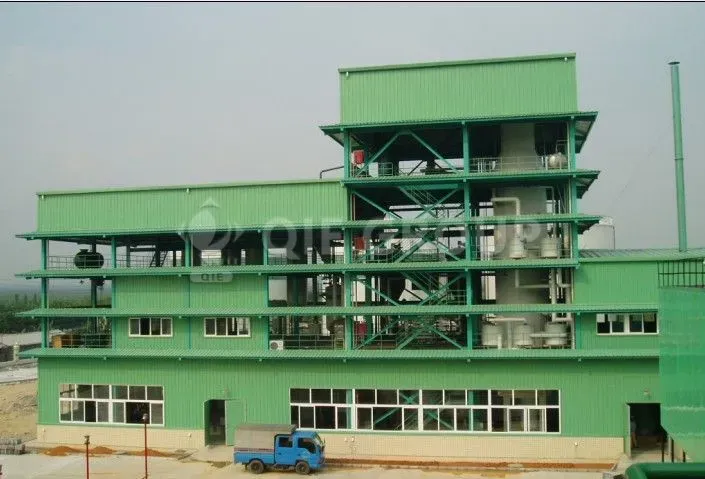
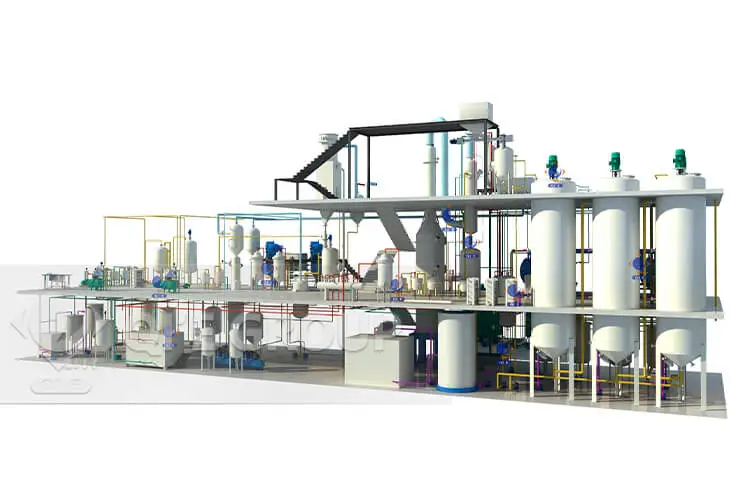
Combining Traditional Aroma with Modern Filtration for Premium Edible Oil Production.
Sudan is a global hub for high-quality groundnut cultivation. To capture the premium edible oil market, a 50 TPD (Tons Per Day) groundnut oil pressing line and a 20 TPD cold filtration system have been successfully commissioned.
This project in Sudan integrates traditional high-aroma techniques with modern automated equipment, ensuring that the oil retains its natural flavor while achieving standardized industrial production.
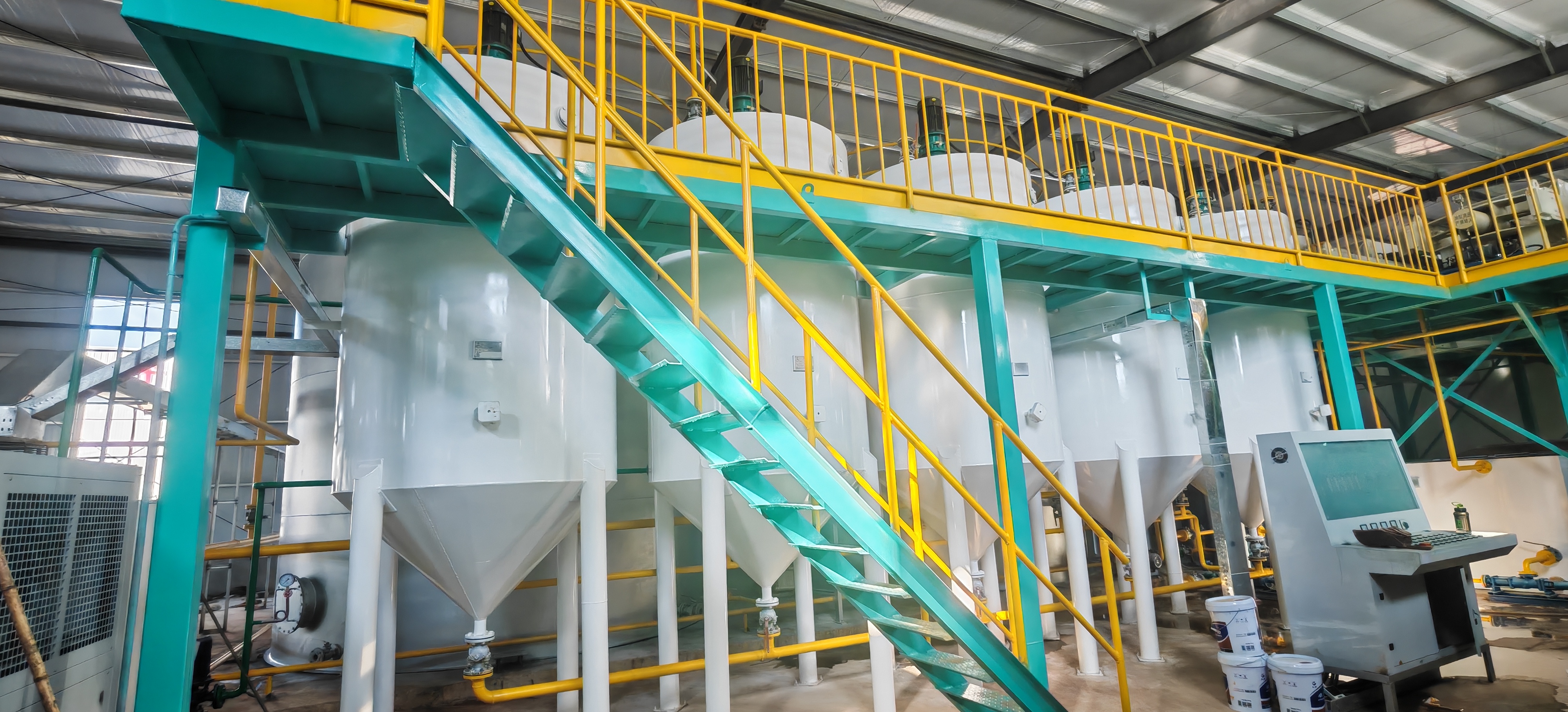
The facility is designed for stable, heavy-duty operation with the following core systems:
The production line follows a rigorous sequence for quality assurance:
Step 1: Seed Cleaning (Screening + De-stoning + Magnetic Separation).
Step 2: Continuous Roasting (Automated temperature and time control).
Step 3: High-Temperature Screw Pressing (High oil yield, low residual oil).
Step 4: 20 TPD Cold Filtration (Physical impurity removal without chemical additives).
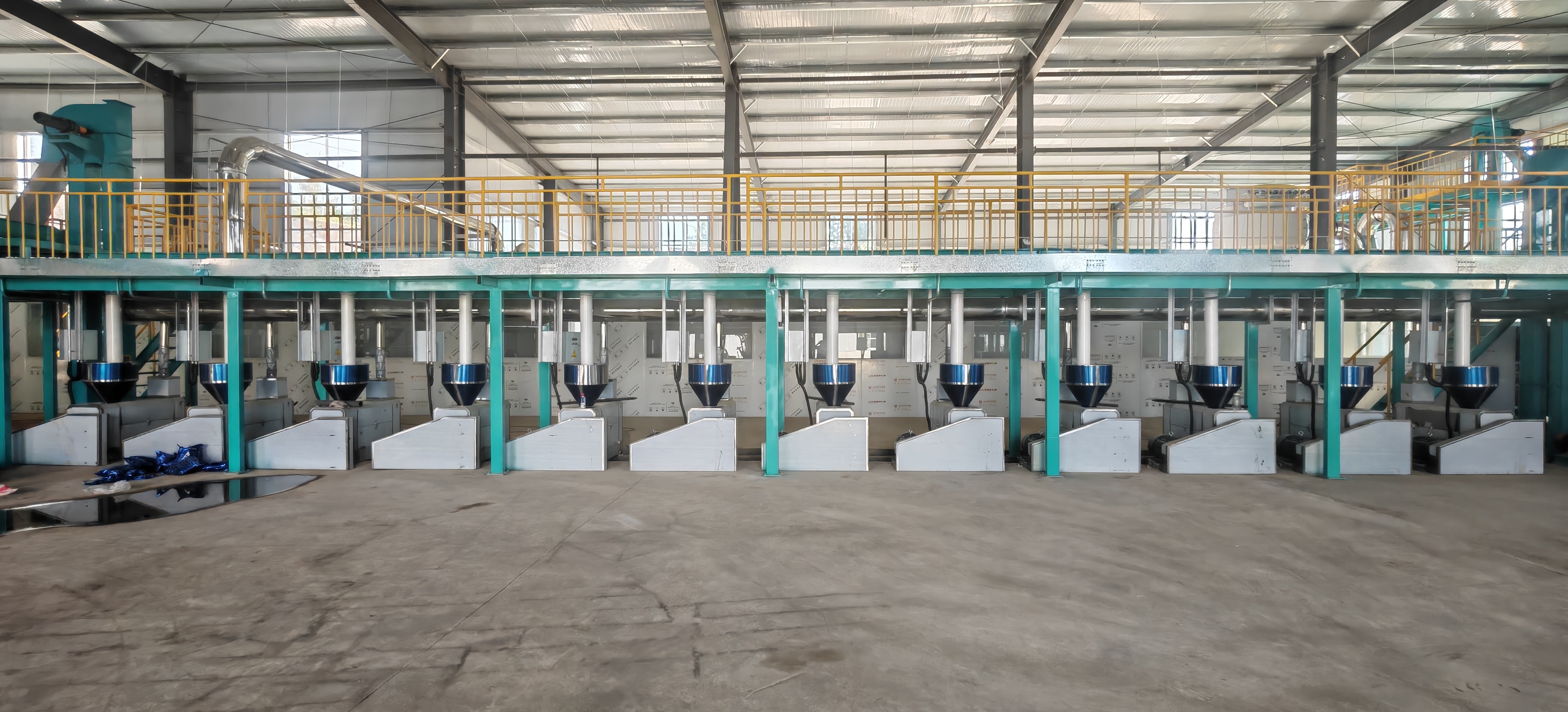
Q1: Why is the 50 TPD scale suitable for Sudan's groundnut market?
It provides a flexible model that allows for regional branding and differentiation while maintaining stable, batch-consistent production.
Q2: What are the benefits of the continuous roasting system?
It offers stable temperatures and uniform aroma release, resulting in higher oil yields and zero quality variance between batches compared to manual roasting.
Q3: Is the cold filtration process chemical-free?
Yes. It is a purely physical refining process with no chemical additives, preserving 100% of the natural flavor and nutrients.
Q4: How does the cleaning system protect the machinery?
By removing sand, stones, and metals, it significantly reduces mechanical wear on roasting and pressing units, lowering maintenance costs.
Q5: What is the quality of the finished groundnut oil?
The oil is golden, clear, and has a long-lasting fragrance, making it ideal for the high-end retail market in Sudan.