Peanut kernels are high-value, high-oil seeds that demand rigorous cleaning before extraction. The 2026 peanut production line full machinery configuration list begins with an intensive cleaning sequence: high-frequency vibrating screens, magnetic separators, and de-stoners. These ensure that impurities like dust, stones, and metal are eliminated, safeguarding the integrity of downstream equipment.
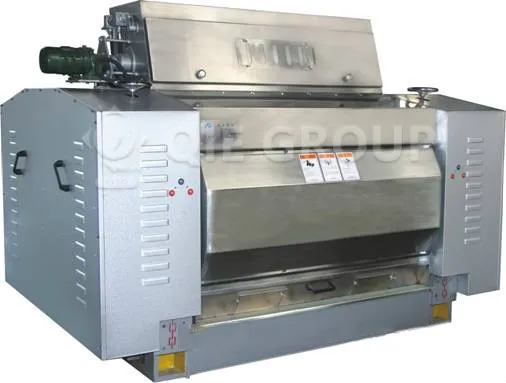
A pivotal technical stage is the Precision Flaking. By processing peanuts into 0.3mm–0.5mm uniform flakes, our machinery maximizes the destruction of the cellular structure. This significantly increases the surface area, creating a decisive path for high-efficiency oil release during the subsequent pressing or solvent extraction stages.
2. Production Strategy: Aromatic Pressing vs. High-Yield Extraction
The 2026 peanut oil production line price is strategically linked to your target market. For investors focused on premium markets, our Aromatic Pressing Route utilizes high-temperature roasting at 150°C. This triggers the Maillard reaction, generating that distinct, rich nutty aroma sought after in boutique retail segments.
For industrial-scale projects (typically >100 TPD), we implement the Pre-press & Solvent Extraction route. This comprehensive setup utilizes a primary press followed by a solvent extraction plant (incorporating a DTDC Desolventizer). The core objective is to minimize waste, successfully reducing the residual oil in the meal to ≤0.8%, a standard that dramatically increases daily revenue compared to traditional pressing methods.
2026 Technical Performance Benchmarks
Residual Oil in Meal
≤ 0.8% (Solvent Extraction Route)
Solvent Consumption
≤ 1.5 kg / ton
Solvent Recovery Rate
≥ 99.5%
Energy Efficiency Gain
10%–15% Reduction in Steam/Power
3. The Refinery: Transforming Crude into Grade-1 Standards
Achieving a crystal-clear, safe, and stable product requires a professional refinery module. Our 2026 peanut oil production line incorporates a four-stage continuous refining process: degumming, deacidification, bleaching, and deodorization. To meet ESG and environmental standards, we prioritize Physical Refining via high-vacuum steam distillation.
This modern approach effectively removes free fatty acids (FFA) and odors while minimizing oil loss and eliminating soapstock wastewater. The result is a premium Grade-1 peanut oil that meets international food safety regulations and maintains a high smoke point for versatile culinary use.
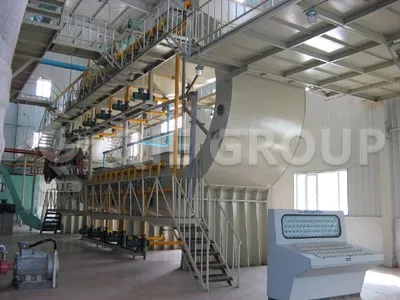
Factory built according to the complete machine configuration list for a peanut oil production line
4. Full Turnkey (EPC) Support by QIE Group
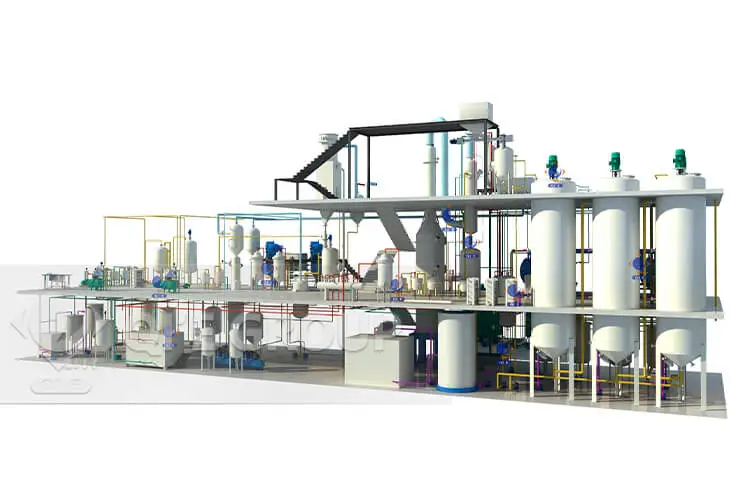
Beyond the peanut production line full machinery configuration list, QIE Group offers comprehensive project management. From the initial 3D site layout to international logistics and seaworthy packaging, we ensure every detail is handled. Our senior engineers provide onsite installation and commissioning, followed by intensive staff training to ensure your team can operate the automated PLC systems with 100% confidence.
Strategic Insights: 2026 Project FAQ
Q1: How do I choose between pressing and solvent extraction for peanuts?
If you target the premium "Aromatic Oil" market, pressing at 150°C is best. For industrial yield and high TPD (Tons Per Day), the pre-press & solvent extraction route is superior as it lowers residual oil in the meal from 7% to ≤0.8%.
Q2: What drives the final 2026 peanut production line price?
Price is primarily driven by your required daily capacity, the choice of materials (Stainless vs. Carbon steel), and the level of PLC automation. We provide transparent, itemized quotes for every configuration.
Q3: How does your system reduce energy consumption?
Our 2026 designs utilize multi-effect negative pressure evaporation and heat recovery modules in the deodorization tower, saving between 10% and 15% on steam and electricity costs.
Q4: Is the machinery compatible with other oilseeds?
Yes. Our modular design allows for the processing of sunflower seeds or soybeans with minor technical adjustments, providing high investment flexibility for your oil mill.
Q5: What is the lead time for an international turnkey project?
Manufacturing typically takes 60–90 days. Onsite installation and commissioning by our engineering team generally take 45–60 days, depending on project scale.
Ready to Launch Your Peanut Oil Project?
Request a customized ROI analysis and 2026 Configuration List today.




.jpg)
.jpg)